

Winter fills Bangladesh's markets with cauliflower, cabbage, radish, beans, spinach and peas. People with high blood uric acid often wonder which to eat and which to avoid. Writing in Desh Rupantor, nutritionist Mousumi Chowdhury says a sound diet and moderate portions matter more than cutting vegetables out.
She explains that uric acid is not made directly from vegetables; it forms in the body when compounds called purines in food are broken down. Spinach, peas, cauliflower, asparagus and mushrooms contain relatively more purines, but it is wrong to think that eating them will raise uric acid. Research, she writes, has found that most purine-rich vegetables do not increase the risk of gout.
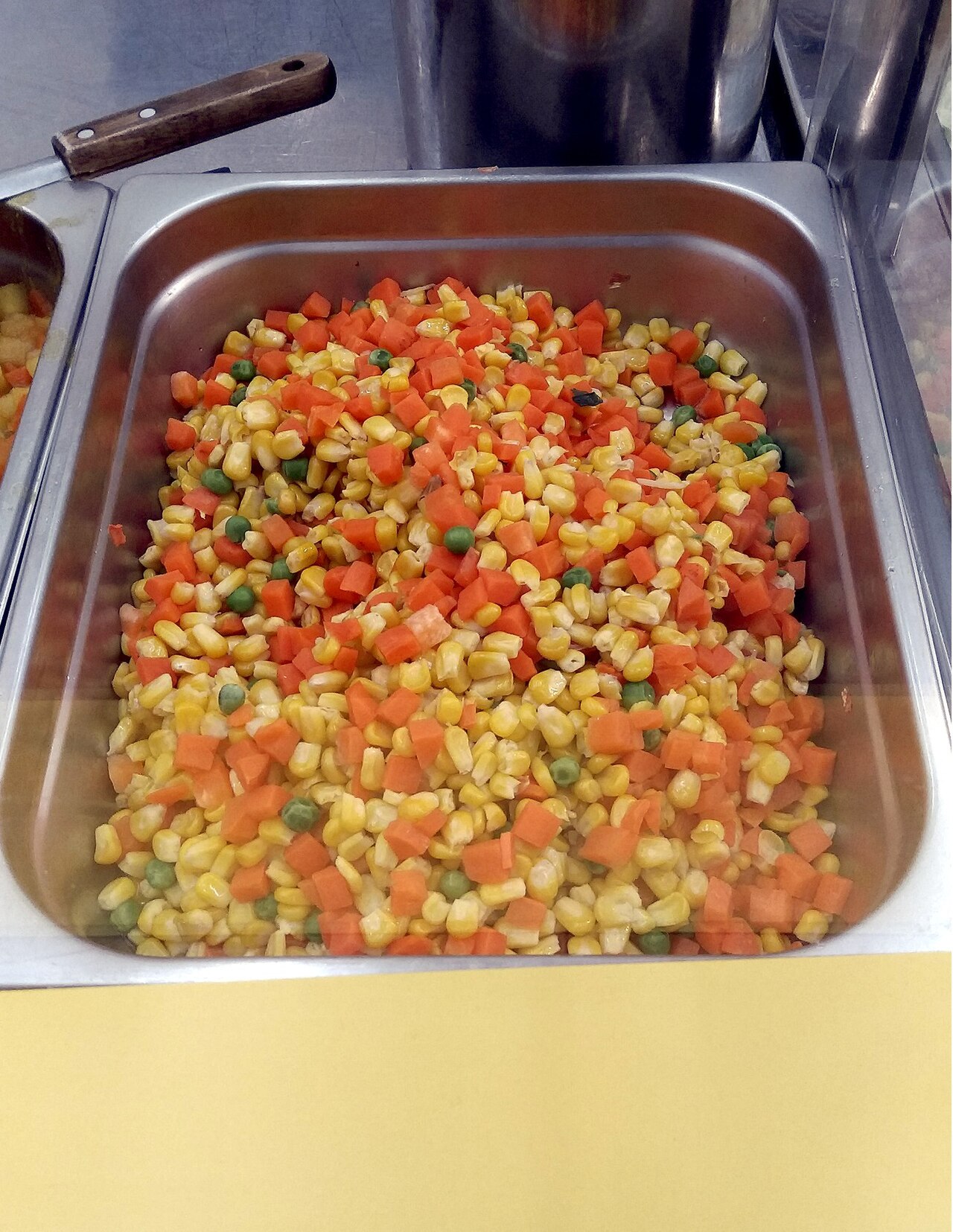
Winter vegetables are a good source of vitamins, minerals, antioxidants and fibre, and help digestion and weight control. It is better to eat a variety every day than a lot of any one, and a sudden jump in fibre can cause bloating. People with kidney disease should ask a doctor about potassium-rich vegetables.
Her advice: unless a doctor says otherwise, drink enough water, which helps the kidneys clear uric acid. Eat less liver, brain, red meat, some seafood and meat extracts. Avoid soft drinks, very sweet juices and drinks high in fructose. Keep winter vegetables, low-fat milk and moderate amounts of fruit in the diet.
Regular walking and a healthy weight also help, but crash dieting or long fasts should be avoided. Diet alone does not control uric acid for everyone; medicine may be needed on a doctor's advice, and nobody should start or stop medicine on their own.
As a warning, she writes that a joint that suddenly turns red, hot and swollen, especially with fever, needs prompt treatment, because it may be an infection of the joint rather than gout.
Written by Mousumi Chowdhury, nutritionist, for Desh Rupantor.
Photo: a farmer takes winter vegetables to market at Kanaighat, Sylhet, Ayman Nakib Badhan / Wikimedia Commons (CC BY-SA 4.0)
Source: Desh Rupantor


Comments
(0)