
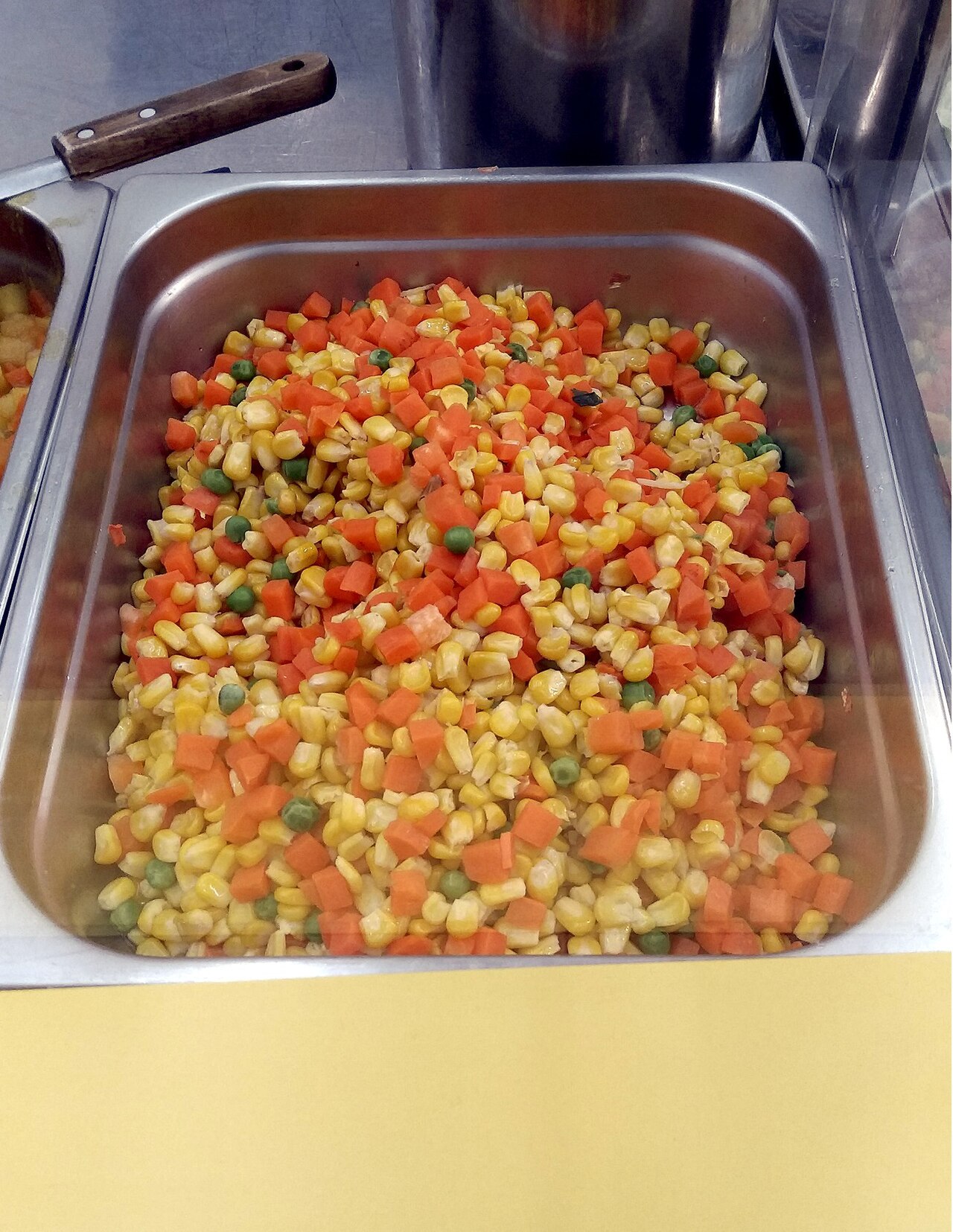
Not everyone can shop daily and wash and chop vegetables, especially people who live alone or go out to work every day. Many rely on supermarket frozen vegetables: carrots, beans, peas, broccoli, corn. Kolkata's Ei Samay looked at whether freezing costs them their nutrients, drawing on a social media post by nutritionist Namami Agarwal.
The nutritionist says frozen vegetables can be part of a healthy diet. They are cut and preserved after ripening, and preserved with keeping their nutrients in mind, so when fresh vegetables are not at hand, frozen ones can be used in cooking.
She also advises on how to use them: they suit soups, pulao, pasta or chow mein, but for a vegetable curry to eat with rice, fresh vegetables are better.
Frozen does not automatically mean healthy. Preservatives are often used, and sometimes sodium is added. So read the label and ingredient list before buying, check that the packet is intact, and follow the storage instructions.
Those who want to avoid packaged products can freeze vegetables at home: cut them into small cubes, put them in an airtight box or zip-lock bag and keep them in the deep freezer, then take out what you need. It saves washing, chopping and preparation time.
Photo: frozen mix of corn, carrot and peas (file), Kerolf666 / Wikimedia Commons (CC BY-SA 4.0)
Source: Ei Samay




Comments
(0)