
The share of US farmers reporting a strong balance sheet fell to 62 percent in October from 76 percent in January, the latest Purdue University/CME Group Ag Economy Barometer shows.
In a companion question, 40 percent of respondents said they no longer have a solid working capital position going into winter financing and 2027 crop planning.
"That was a very large drop, essentially in just nine months," said Michael Langemeier, director of the Purdue Center for Commercial Agriculture. "This is about the third or fourth year in a row of relatively tight margins, particularly for crop producers."
The overall barometer rose three points to 126, and the Index of Current Conditions jumped 16 points. Langemeier said government payments that began arriving in mid-October helped, but noted that they came because corn and soybean prices were weak for the 2025 crop. The Farm Capital Investment Index rose to 55, yet only 20 percent said now is a good time for major investments.
Livestock producers have generally fared better over the past two seasons, and grain farmers are taking the brunt. Younger operators who own little land are especially exposed because of high debt-to-asset ratios.
Land is holding the line. "As long as farmland values stay relatively steady where they're at, balance sheets won't get as weak as what they were in the 1980s," Langemeier said, adding that erosion in land values would be "a crisis situation". With tight working capital he advises seeing whether term loans can be restructured.
Reporting by Eric Pfeiffer for Michigan Ag Today.
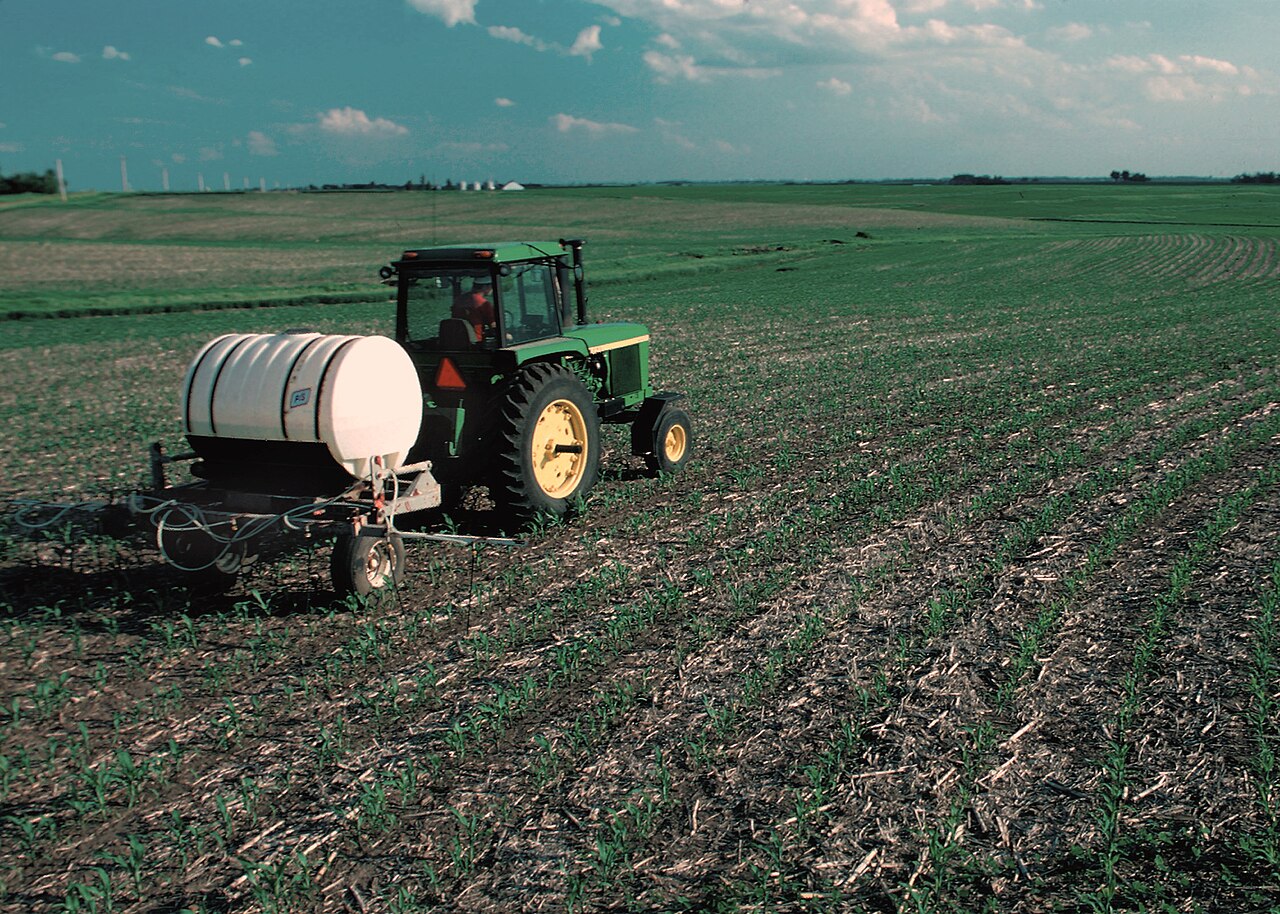
Photo: Scott Bauer, USDA NRCS / Wikimedia Commons (Public domain)
Source: Michigan Ag Today

Comments
(0)