
A viable farm does not automatically win a loan. Advisers from Standard Bank, Absa and Molo Consulting told Food for Mzansi that a farmer's preparation shapes how lenders judge credit risk.
Match the credit to its purpose, says Zama Sangweni, agricultural economist at Absa. An overdraft may suit short-term cash-flow swings, while a term loan suits farm expansion or infrastructure. A business that keeps borrowing to cover operating losses, she says, is showing cash-flow pressure, and grants, equity, blended finance or development finance may fit better.
Personal records count too. "Your personal credit record is very important when you are applying for business funding," says consultant Sibo Molo. Outstanding retail or cellphone accounts can affect a credit profile, especially for newer or smaller businesses with short histories. Farmers should check their records, find disputes and settle legitimate debts before applying.
Brendan Jacobs, head of agribusiness at Standard Bank, says assessment has two parts: industry risk, covering the commodity and area, and counterparty risk, covering the management team and how the business is run. Lenders also look at existing debt, credit history, security and the purpose of the funds.
The starting point for how much to borrow is cash flow, "not the amount the lender is willing or able to provide", Sangweni says. She recommends a stress test: if revenue fell 10 to 20 percent this financial year, could the business still meet its obligations? If not, the amount may need rethinking.
Farmers applying for production finance should be able to explain expected yields, production costs, market conditions and contingency measures. Jacobs says financiers understand that farming is cyclical, and that "proactive communication helps planning". Water-efficient irrigation, suitable insurance and diversified production can all lower vulnerability.
Reporting by Patricia Tembo for Food for Mzansi.
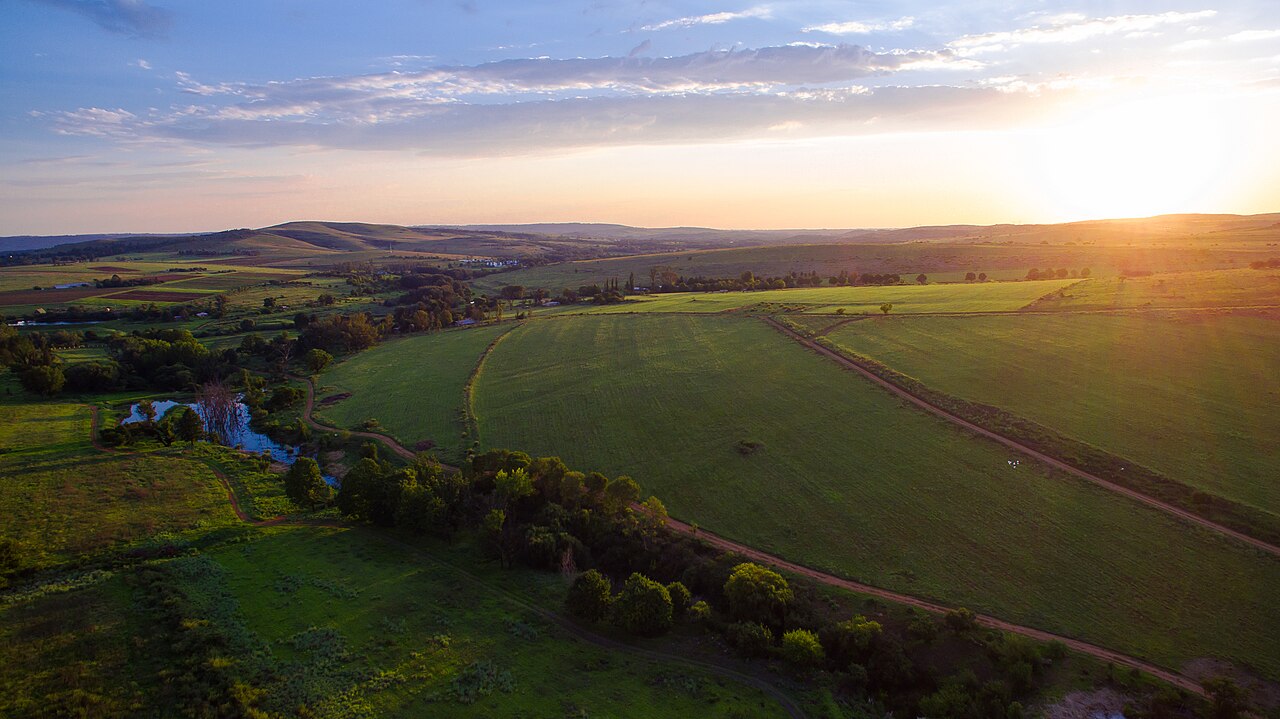
Photo: Ryanj93 / Wikimedia Commons (CC BY-SA 4.0)
Source: Food for Mzansi


Comments
(0)