
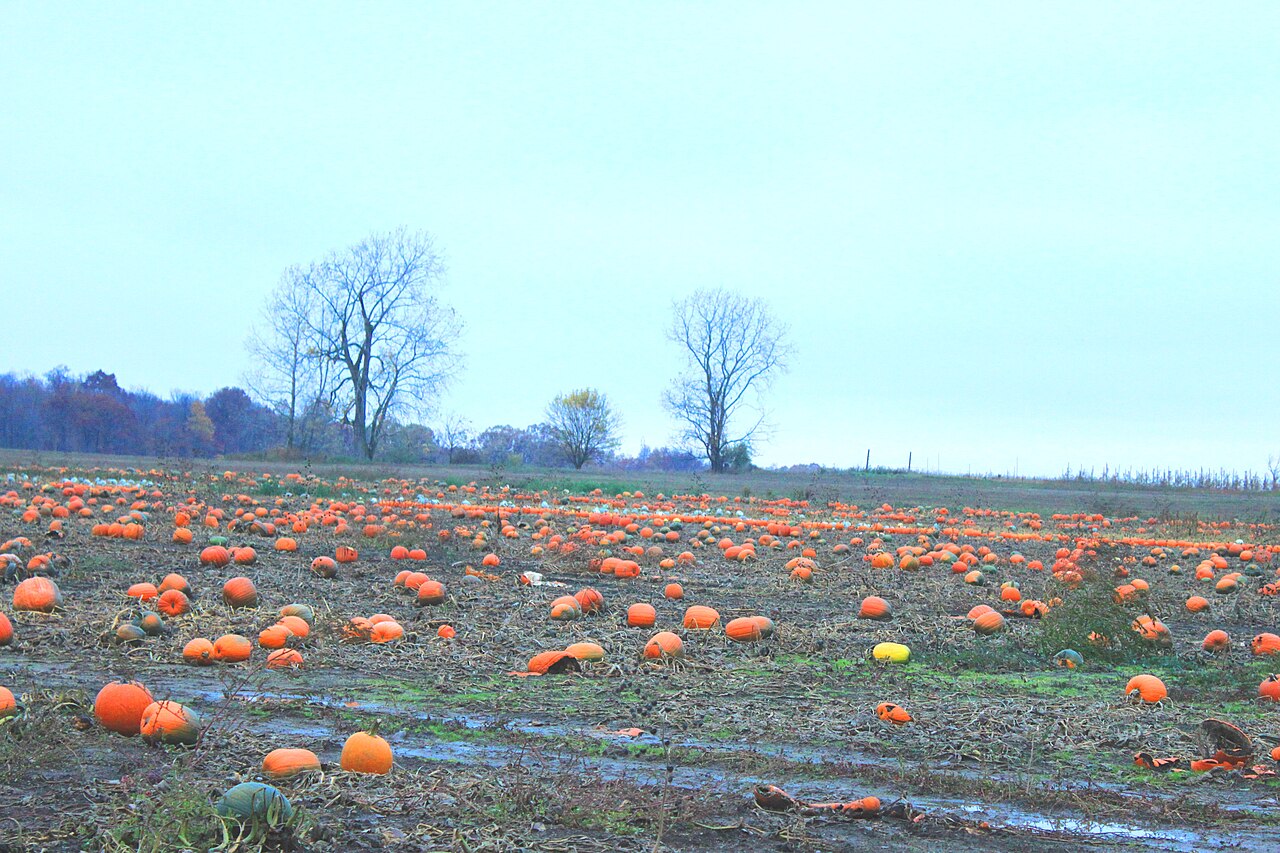
Pumpkins may be a symbol of autumn, but growing a good crop takes months of planning, and next year's begins now, Stephen Meyers, associate professor of horticulture crops weed science at Purdue University, told Michigan Ag Today. Illinois leads the US in overall pumpkin production, while Indiana and Michigan are among the top five states for pumpkins sold whole to consumers. American growers raise pumpkins from three different Cucurbita species.
"The fields are being prepared, a lot of them will grow on a terminated cover crop that's planted this time of year," Meyers said. The cover crop is usually terminated in May or June, the pumpkins are then planted and harvested in August, September and October, "and so it really is kind of a 365 day a year operation".
Once the crop is planted, between May and early July, growers face three to four months of protecting it. Many of the weeds are the same as in corn, soybeans and vegetables: velvetleaf, waterhemp and giant ragweed. In no-till pumpkin systems, marestail is an extra problem because cover crop termination often does not control it.
Diseases and pests add to the load. Meyers said growers are seeing more powdery mildew pressure and more concern about bacterial spot, while cucumber beetles, squash bugs and squash vine borers are "incredibly problematic", and rodents can also damage the crop.
The message for growers is that the decisions that make a pumpkin crop are taken long before the first fruit reaches the market, starting with how the field and its cover crop are set up in the fall.
Photo: Dwight Burdette / Wikimedia Commons (CC BY 3.0)
Source: Michigan Ag Today

Comments
(0)