
Two global companies, SOPHiA Genetics and Myriad Genetics, have agreed to work together on a technology called the genomic instability score (PrGIS) to make prostate cancer treatment more precise and patient-centred. The technology may make it possible to detect genetic defects in cancer cells.
PrGIS is a biomarker used to assess whether the chromosomes of prostate cancer patients show instability, which is linked to a genetic defect known as homologous recombination deficiency (HRD). Myriad developed PrGIS to use HRD as a biomarker in prostate cancer care; it may help indicate how the disease is likely to progress and how well a patient may respond to treatment.
The main aims are to test how effective PrGIS is in clinical trials and to develop tests that make it easier to choose suitable targeted treatment for particular patients. Myriad's MyChoice CDx test, already used in decisions on ovarian cancer treatment, can also calculate a PrGIS score, and the companies plan to extend its use to prostate cancer.
Under the agreement, SOPHiA Genetics is adapting its solid-tumour test, the Extended Homologous Recombination Solution, so that it can be run in local laboratories in many countries, with Myriad's PrGIS technology built in. The company's cloud-based platform serves more than 1,000 institutions in over 75 countries.
In a press release, a senior vice-president of Myriad's companion diagnostics division said PrGIS was designed so that drug makers can divide patients into groups in clinical trials. SOPHiA Genetics' vice-president and managing director for biopharma business development said geographic inequality is a major problem in precision medicine, and that testing in local laboratories could help patients in regions where advanced care is scarce.
Myriad said it plans to present the results of a study with AstraZeneca evaluating PrGIS at the 2026 European Society for Medical Oncology (ESMO) Congress, which should give more detail on how well the technology works and how useful it could be in treating patients.
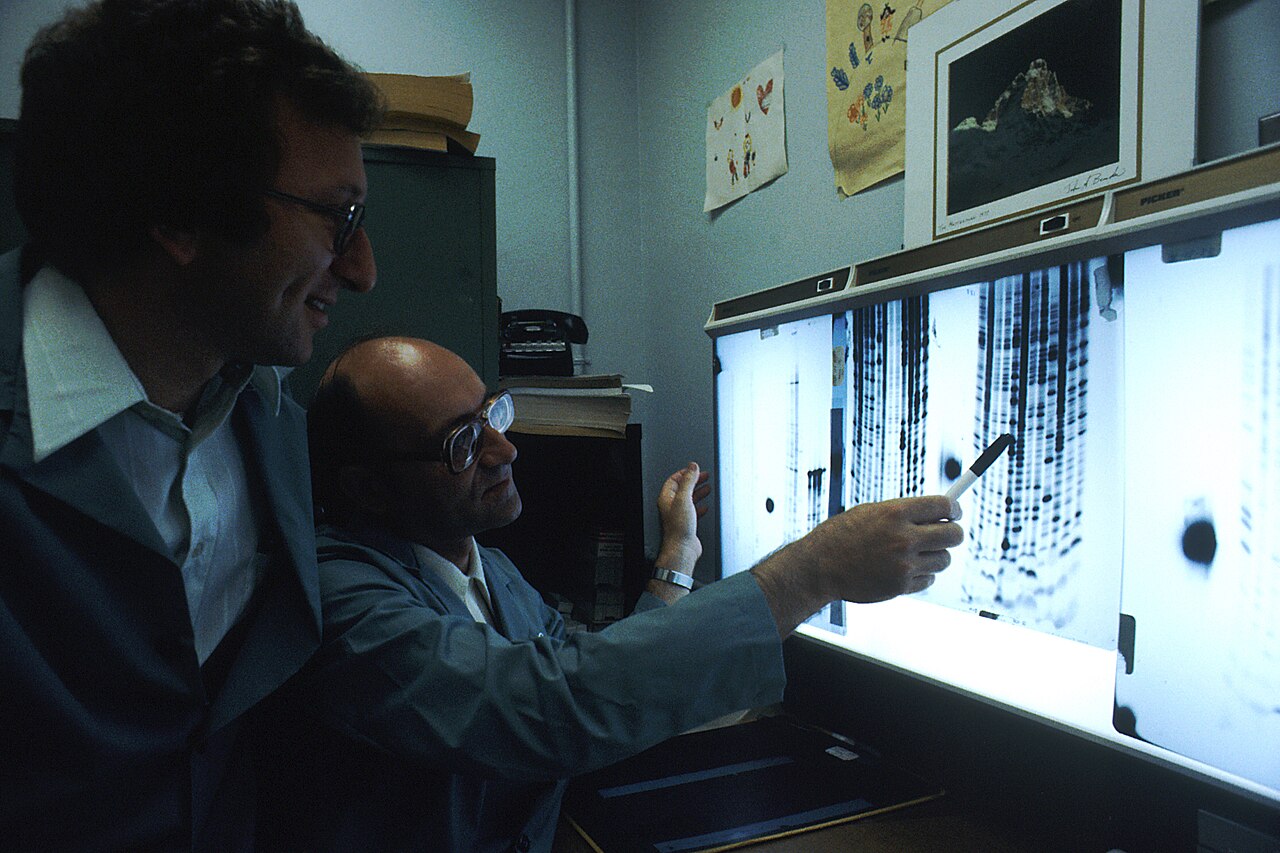
Photo: Linda Bartlett / Wikimedia Commons (public domain); DNA sequencing in a laboratory, representative picture
Source: Banglavision



Comments
(0)