
ProFarm is introducing Neovo, a newly EPA-registered insecticide and nematicide for corn and soybeans whose active ingredient, RinoTec Technology, comes from a bacterium. Seth Little, ProFarm's market development manager, said the product moves systemically through the root and acts as a gut poison on pests that feed there.
"If a belowground pest like corn rootworm consumes a very small amount of Neovo treated root tissue, this results in immediate cessation of feeding, and a slow death due to starvation," Little said. He added that root exudates from treated crops repel nematodes and mask the presence of a host crop.
The active ingredient is derived from Burkholderia rinojensis. Fermenting the bacterium produces compounds that are insecticidal, nematicidal and miticidal; ProFarm says it found a way to tune the fermentation so those compounds reach concentrations that can compete with synthetic chemistry and Bt traits, and a way to kill the bacteria gently without degrading them. The result is a shelf-stable, non-living biopesticide.
Neovo controls corn rootworm, including populations known to resist Bacillus thuringiensis (Bt) traits, along with wireworm and grubs, and suppresses key nematode pests. It is applied as a liquid in the furrow at planting, replacing the synthetic insecticides growers often mix with liquid starter fertiliser, and can be tank-mixed with fertiliser and crop protection products.
Blake Heithoff, precision ag manager at Kaup Seed & Fertilizer in Pilger, Nebraska, has tested it for about a year in different conditions. "From what I have seen, there has been a massive increase in root development and plant health," he said, adding that it gives corn-on-corn growers a new chemistry to break up years of pyrethroid use.
ProFarm says a national ag retail partner will be announced soon and Midwest growers will be able to buy Neovo for the 2027 season. It has focused on corn because most soybean planters lack liquid in-furrow equipment, but Little said it could help soybean growers fighting soybean cyst nematode who have that capability.
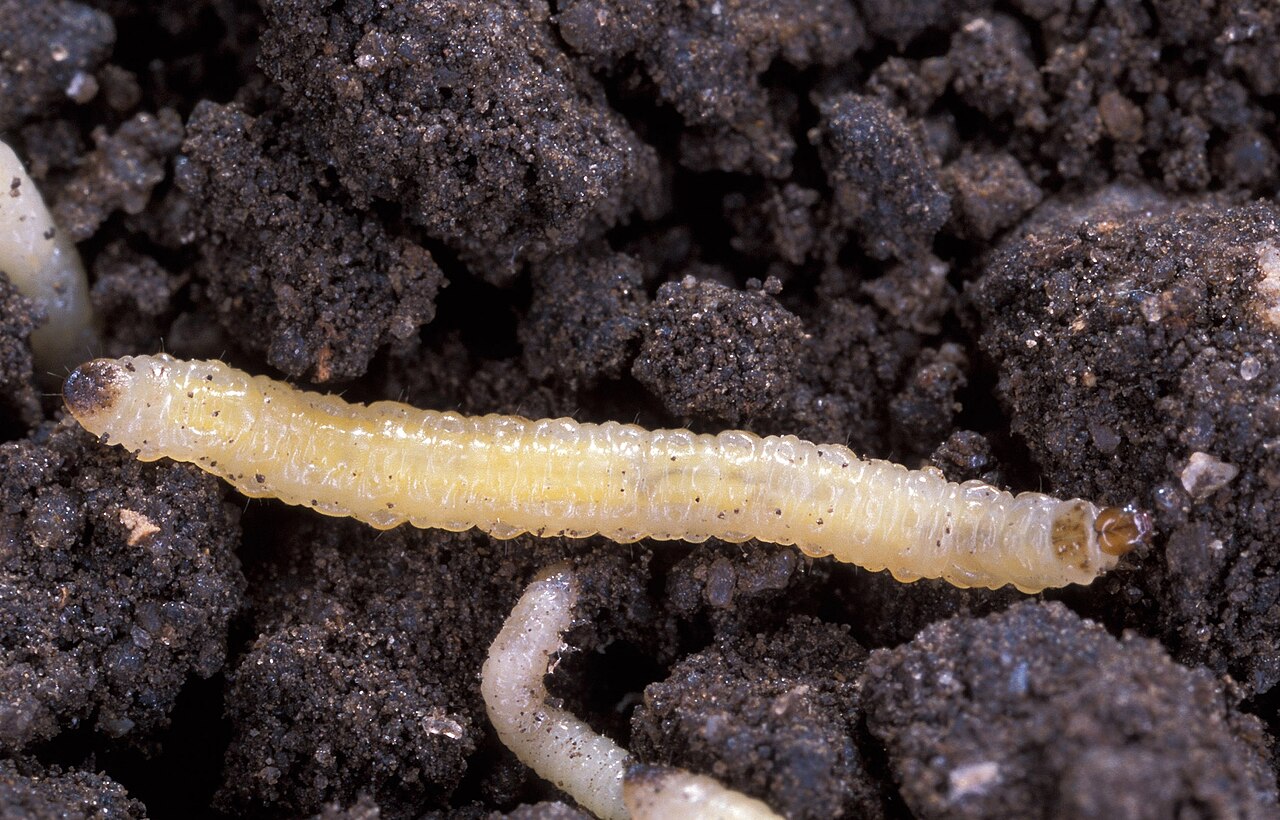
Photo: Scott Bauer, USDA Agricultural Research Service / Wikimedia Commons (CC BY 3.0)
Source: CropLife



Comments
(0)