
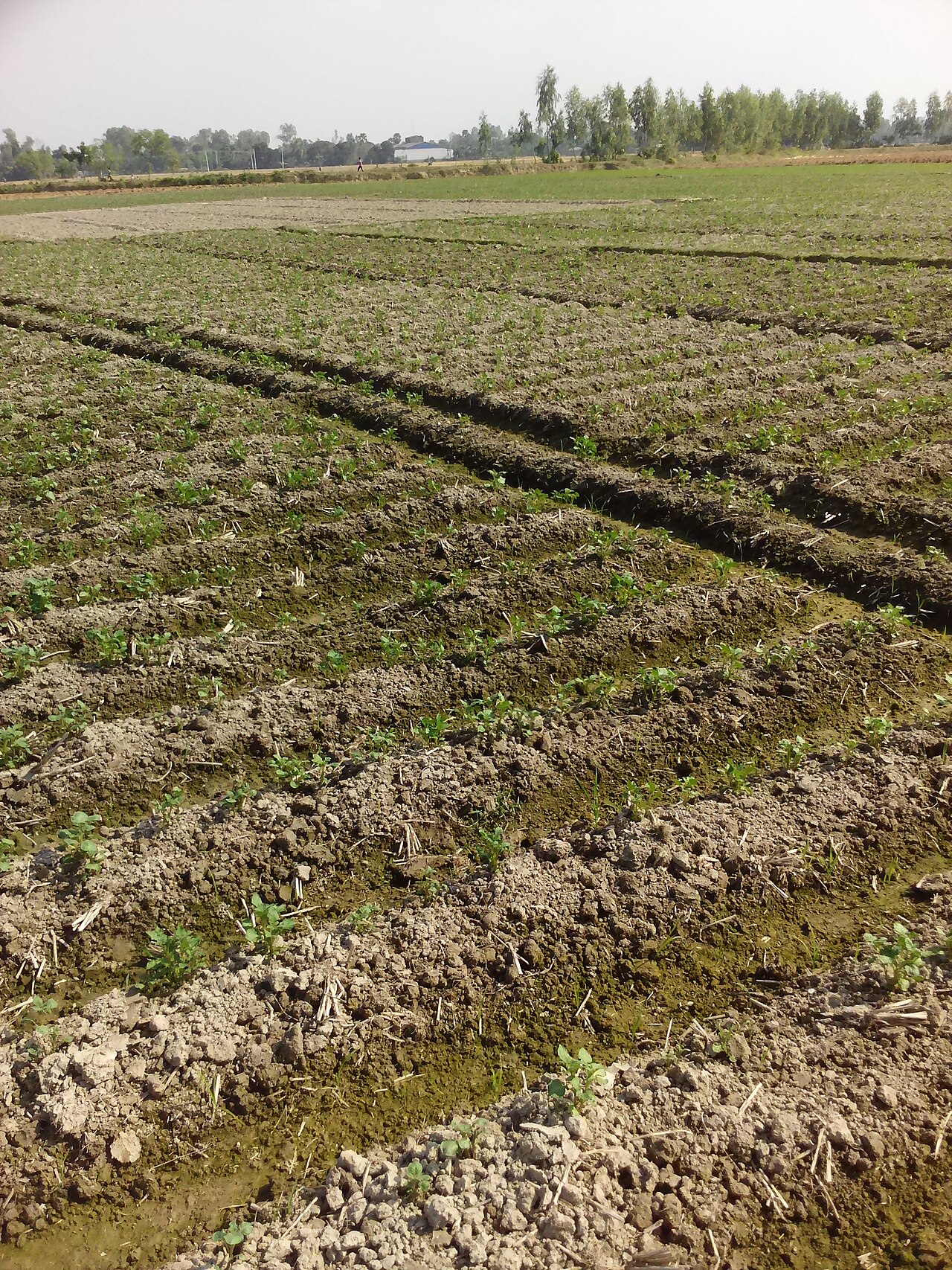
Potatoes, a winter crop, are usually planted from October to December, for the table and for processed foods such as chips and French fries. Ahead of the season, Agricare24 has set out the main steps.
Land: loam and sandy loam suit potatoes best. Plough the field to a fine tilth and clear the weeds. Rotted cow dung or organic manure improves the soil and its water-holding capacity.
Seed: use disease-free, good-quality seed, usually healthy medium-sized tubers; large ones can be cut. Leaving cut seed in the shade for a while so the cut surface dries reduces rot and disease.
Fertiliser and water: apply organic manure, urea, TSP, MOP and other fertiliser as needed, but rates vary with soil and variety, so follow the local agriculture officer's advice. Do not let water stand; irrigate as needed and keep drainage open.
Disease: late blight is the most damaging and spreads fast in favourable weather, harming plants and tubers; tuber rot and insect pests also occur. Use clean seed, good drainage and regular scouting, and if disease appears use approved pesticides on the agriculture department's advice.
Harvest: depending on variety and weather, potatoes are ready 90-120 days after planting, when leaves and stems dry and the skins harden. Dry and sort them well before storage. Yield and profit depend on variety, costs, weather and prices, so keeping costs down and timing sales matter.
Photo: sakib454590 / Wikimedia Commons (public domain)
Source: Agricare24
Comments
(0)