
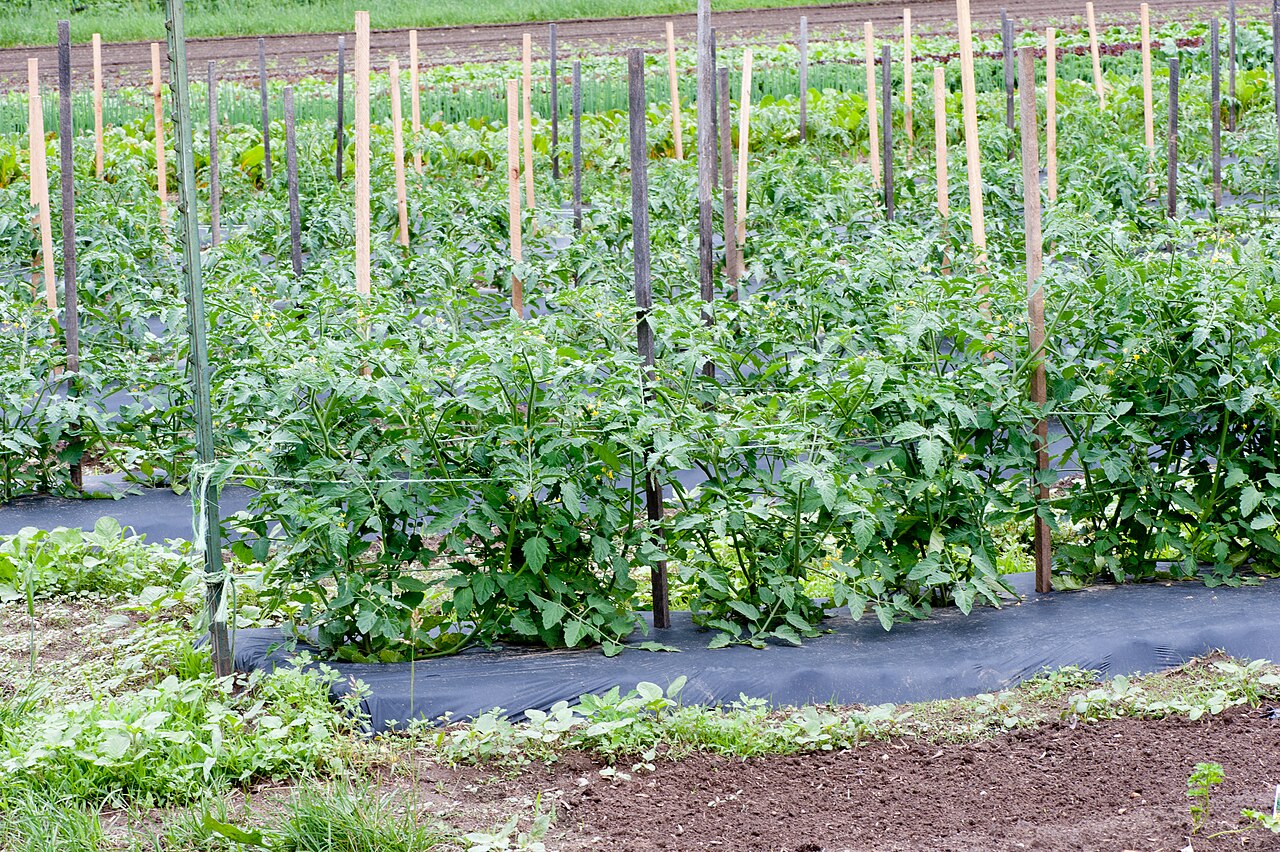
Researchers at Oregon State University (OSU) say dry farming, growing a crop on the moisture stored in the soil from winter rain instead of irrigating during the season, can keep some farms producing with far less water, but only where the soil and the crop are right. Their findings were presented by the university's Dry Farming Program and reported by Farms.com.
The first lesson is that not every farm qualifies. OSU's Vegetable Research Farm has deep soils that hold a great deal of winter moisture and release it slowly through the summer. "There are a number of things that make this site in particular really great for dry farming," said Matt Davis, the senior faculty research assistant who leads the programme. Weed control is the second lesson: weeds take water the crop needs, so shallow tillage, careful field preparation and well-timed cover crop management are part of the method.
Tomatoes remain the most promising crop. Dry-farmed tomatoes usually yield less than irrigated ones, but buyers often value their flavour and pay more, which can make up for the smaller harvest. A study of more than 100 tomato lines found large differences in plant stress, fruit quality and resistance to blossom end rot; some varieties seemed to reach water deep in the soil with their roots, while others put their energy into fruiting early.
The trial plots also carried melons, cucumber melons, sorghum, corn and specialty vegetables. Cucumber melons stood out because they tolerate drought better than ordinary cucumbers and avoid the bitterness of water-stressed cucumbers, and sorghum often stayed healthier and more productive than corn when water ran short. Cut flowers, including cosmos, sunflowers, zinnia, marigold and strawflowers, are being measured for stem quality, length and yield.
The team is also testing whether seed saved from plants that do well without irrigation adapts over the generations. "Every time you're saving seed, every time you're making selections, that plant is adapting, is evolving," said Lucas Nebert, the OSU Extension Service's organic seed specialist.
Photo: Dwight Sipler / Wikimedia Commons (CC BY 2.0)
Source: Farms.com
Comments
(0)