
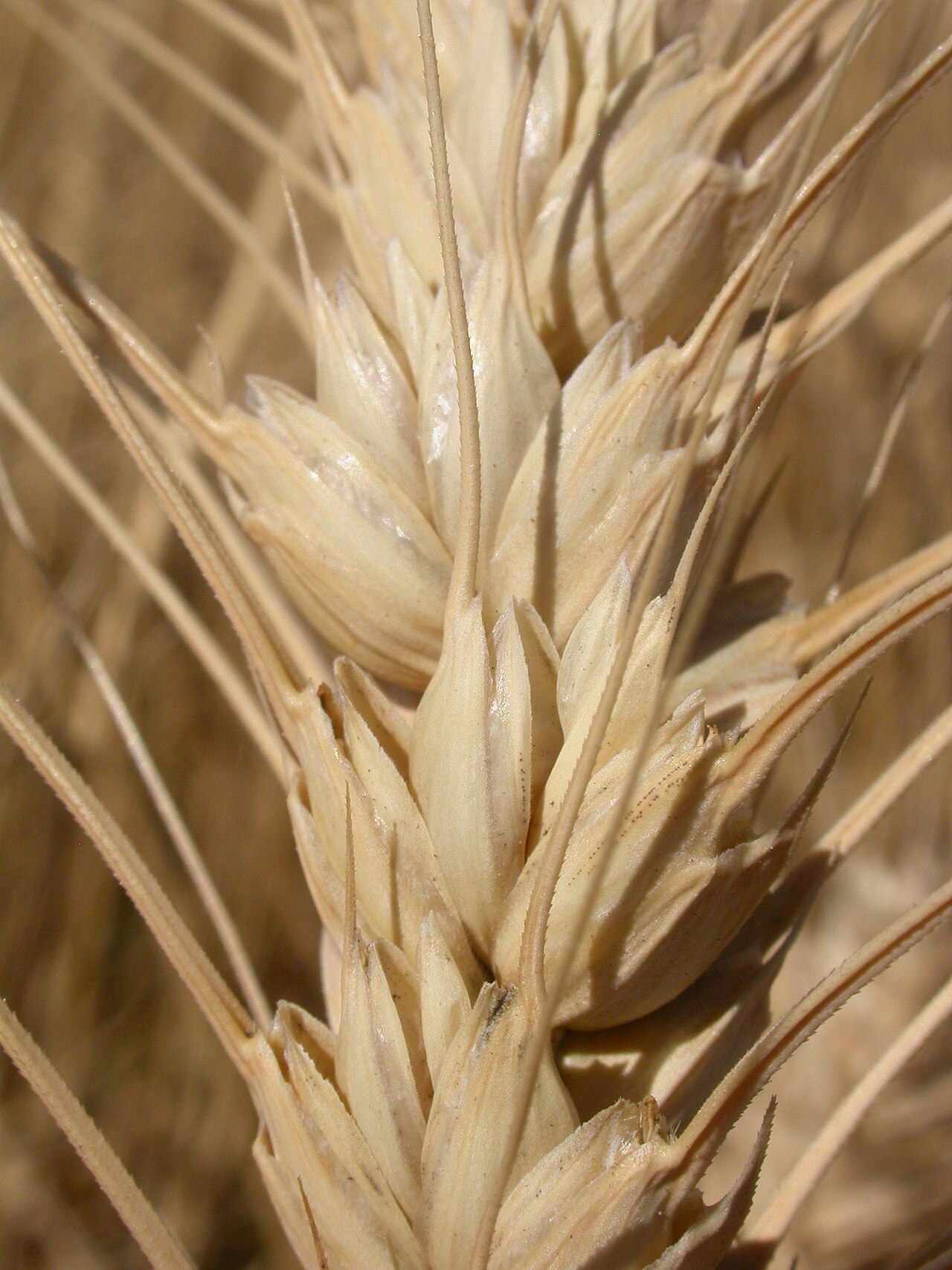
Scientists at the John Innes Centre in Norwich, England, and Ethiopia's national agricultural research service have developed a portable test that confirms wheat blast in about 90 minutes, a result that has taken days or weeks by conventional laboratory methods.
The test was field-trialled in June 2026 at the Ambo research centre of the Ethiopian Institute of Agricultural Research (EIAR), one of the country's main wheat breeding stations, and results were shared in mid-August. It was led by Professor Diane Saunders of the John Innes Centre, with research assistant Liam Butler developing much of the assay, working with Dr Dejene Girma, EIAR's head of biotechnology, Dr Jemal Tola, director of the Ambo centre, and input from the International Maize and Wheat Improvement Center (CIMMYT).
Wheat blast is caused by a strain of the fungus Magnaporthe oryzae that attacks the wheat head, leaving shrivelled, mostly empty grain; severe outbreaks can wipe out a field's yield. First found in Brazil in 1985, it reached Bangladesh in 2016 and Zambia in 2018. Ethiopia, sub-Saharan Africa's largest wheat producer, is a frontline country for monitoring its spread.
The tool uses loop-mediated isothermal amplification (LAMP), which copies the pathogen's DNA at a single constant temperature, so it can run on a heating block or even a water bath rather than the thermal cyclers PCR tests need. It picks out a genetic signature unique to the wheat-infecting pathotype, and a second version detects Fusarium head blight, which can leave toxins in grain.
Saunders said the test was designed to be usable by laboratories anywhere, whatever their equipment. In countries with limited diagnostics, including Ethiopia, Bangladesh and Zambia, faster confirmation lets authorities restrict grain and machinery movement, warn neighbours or speed resistant seed to farmers before the disease spreads, and makes it cheaper for breeders to screen large numbers of lines for resistance.
Photo: Matt Lavin / Wikimedia Commons (CC BY-SA 2.0)
Source: Global Agriculture

Comments
(0)