
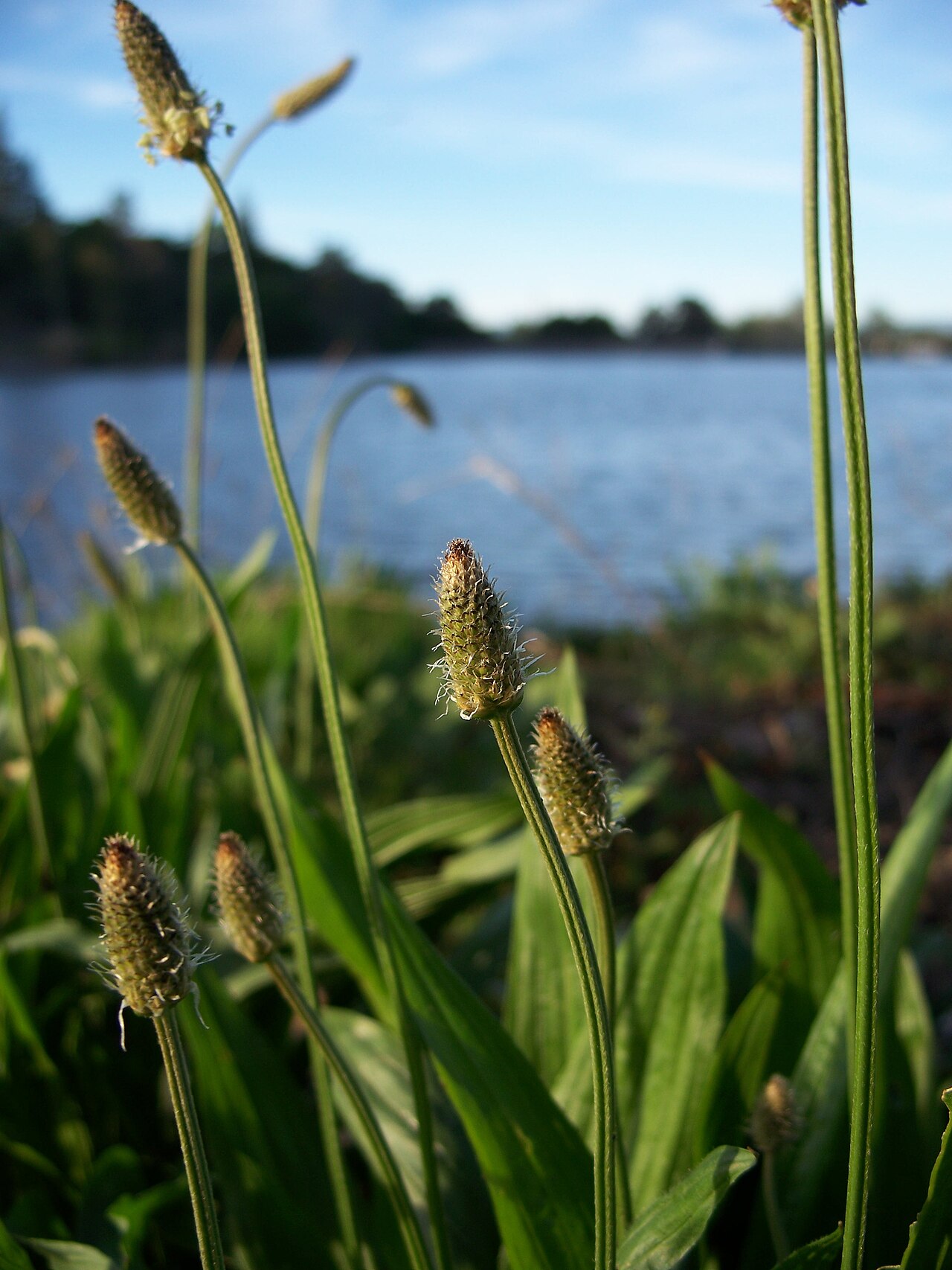
The Animal Nutrition department of Bangladesh Agricultural University (BAU) has developed a feed technology that uses the medicinal plant plantain (Plantago lanceolata) to make broiler meat safer and more nutritious. The phytogenic feed additive, BAU-Plantive, is the result of nearly two decades of research and combines plantain with other selected medicinal plants.
Project director and BAU researcher Mohammad Al-Mamun told a workshop that the research began in Japan and continued in Bangladesh, assessing plantain's antioxidant and phytogenic properties, broiler performance and the functional nutritional value of the meat.
In the current project, trials on two broiler strains and one native chicken found satisfactory production even with locally grown plantain, along with positive changes in PUFA, especially omega-3 fatty acids, HDL and iron in the meat. Compared with ordinary broiler meat, the meat had a more attractive reddish colour and better taste, he said.
The fifth phase of the project focuses on sustainable commercialisation and a seed value chain. G-2 seed has been produced in Bangladesh from imported parental seed, opening the way to a domestic plantain seed industry that cuts reliance on imports. Plantain has been grown in air-conditioned and ordinary greenhouses and in open fields in Mymensingh and Manikganj.
Taking the technology beyond the laboratory, functional broiler production has begun on a commercial farm in Manikganj, with efforts to link to Dhaka markets and supermarkets. Processing and blast-freezing cold chains have been identified as needs for large-scale marketing.
With seed companies, contract plantain farming, feed mills, the poultry industry and market managers working together, the researcher said, the home-grown plant-based technology could create a new seed and feed-additive industry, farm income and jobs alongside safer poultry. The chief guest, the president of the Bangladesh Academy of Sciences, urged private entrepreneurs to take up plantain cultivation and use.
Photo: Eugene Zelenko / Wikimedia Commons (CC BY-SA 4.0)
Source: Daily Observer
Comments
(0)