
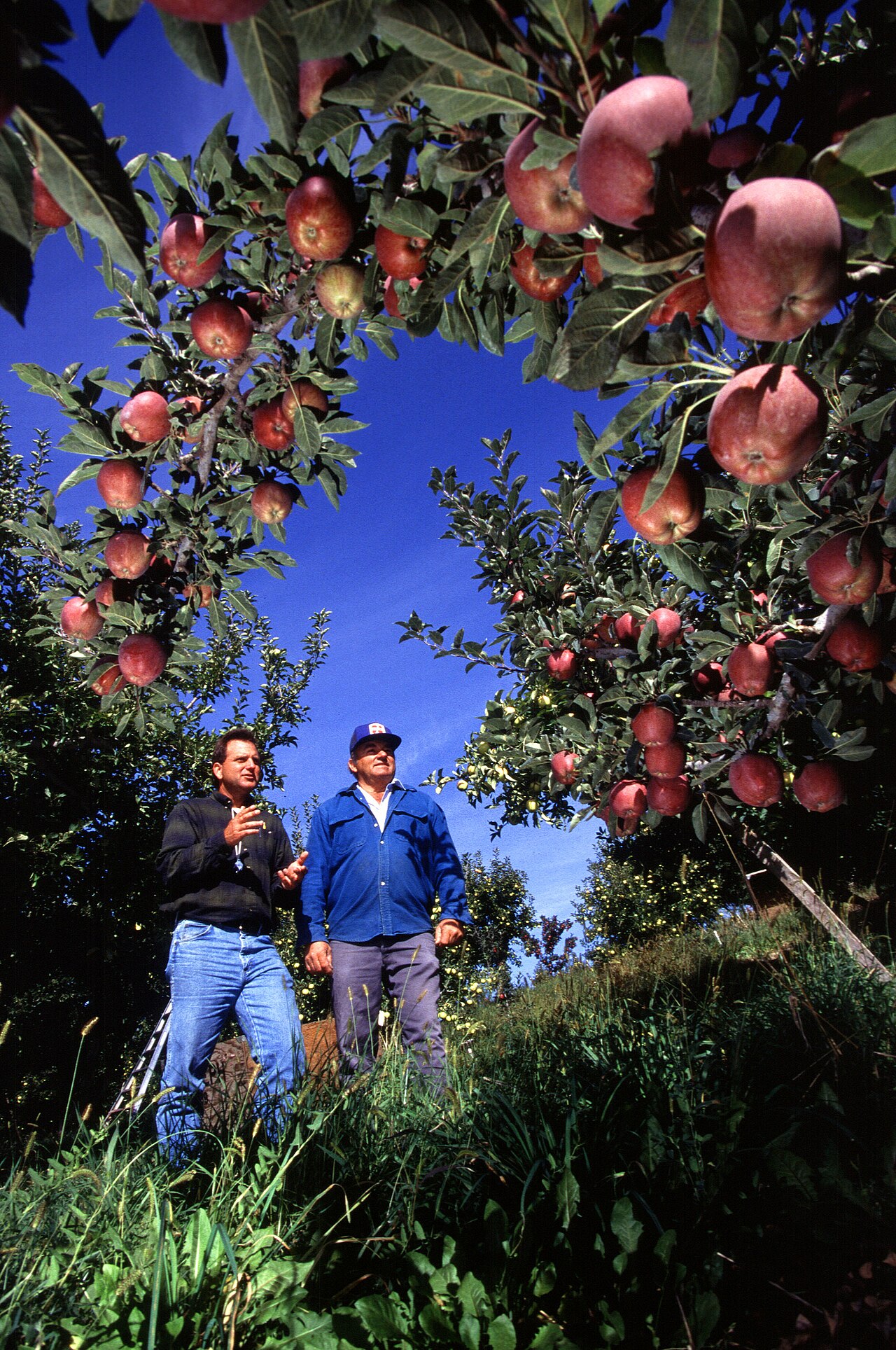
Damaging freezes in April wiped out much of Pennsylvania's tree fruit this year, leaving some growers with almost nothing to pick and others with a fraction of a normal crop, Morning Ag Clips reports from Penn State Extension. "It's a terrible year when half of a crop is considered good luck," said Sarah Zost, president of the State Horticultural Association of Pennsylvania.
Peaches and cherries were hit hardest, said Daniel Weber, horticulture and commercial tree fruit educator with Penn State Extension. Most peaches were lost, and cherries and apricots produced little or no crop. "One grower said they had about two cherries for the entire orchard," he said. Apples fared better, but yields vary from orchard to orchard and even between varieties on one farm: some areas may have around 70% of a normal crop, others far less. At one Lancaster County orchard the crop was so small that picking it would cost more than the fruit was worth.
Growers who kept fruit then faced more weather. A hailstorm damaged fruit across parts of the Adams County fruit belt, and heavy rain and wind toppled a row of laden apple trees at another orchard. Supermarkets can still source apples from other states and countries, Weber said, but farm markets, roadside stands and pick-your-own orchards may have fewer varieties, higher prices or no picking at all. Some growers brought in peaches from states such as South Carolina, with market organisers' agreement, on condition they said where the fruit was grown.
The losses reach beyond the orchard. Trees still have to be pruned and protected from pests and disease with no crop to pay for it. Some farms cut hours, laid off staff or did not hire their usual seasonal crews: Zost, business manager of Bonnie Brae Fruit Farm in Adams County, said the farm did not take on the roughly 30 workers it normally hires for harvest. Packers, processors and farm markets have felt it too, and Weber said lower employment touches local petrol stations, restaurants and laundromats.
A fruitless year also changes how the trees grow. Without fruit to feed, trees can put their energy into excess shoot and branch growth, and if that continues late into the season the tender new wood is more exposed to winter cold. Penn State Extension has been advising growers on practices that slow growth and help trees harden off before winter, and helping them assess damage and decide which management remains necessary without a crop.
Photo: Scott Bauer, USDA Agricultural Research Service / Wikimedia Commons (Public domain)
Source: Morning Ag Clips
Comments
(0)