
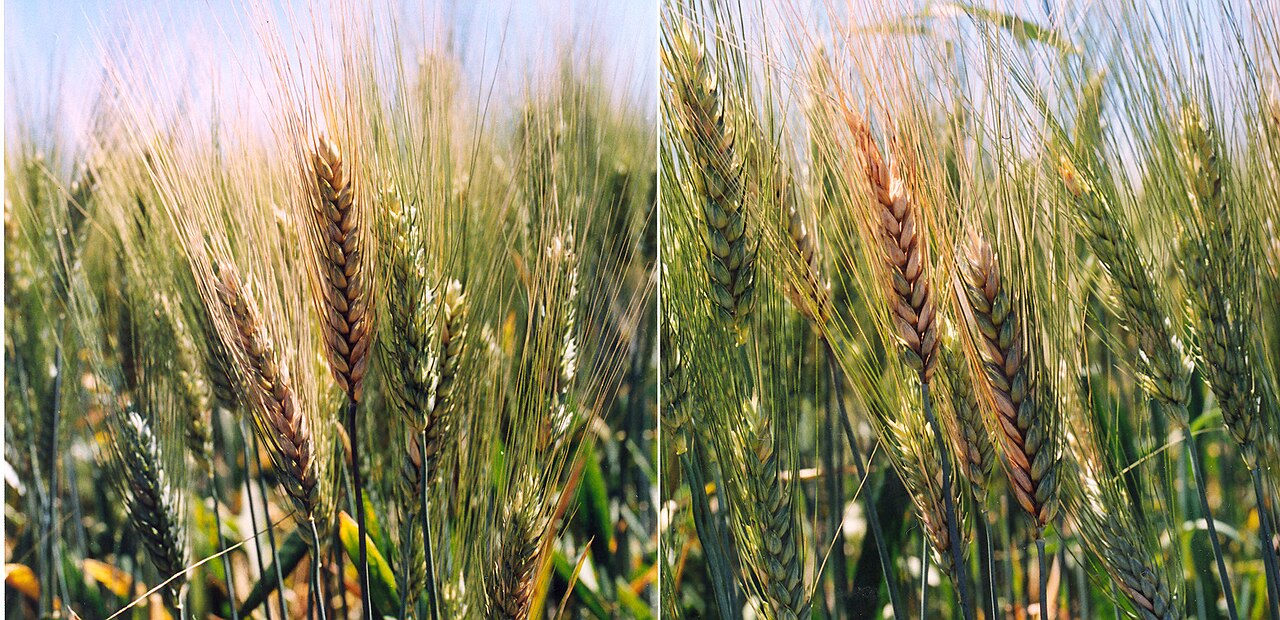
A Penn State Extension project is testing how small grain varieties stand up to disease under organic management, to give organic growers, who cannot use conventional fungicides, better information for choosing seed, Farms.com reports.
Organic farmers rely on crop rotation, field sanitation, scouting and resistant varieties to control disease, and have little research written for their systems. The OROWS organic small grains project is measuring disease development across many varieties in organic conditions and across seasons and cultural practices.
"Pennsylvania organic farmers need more reliable information about small grain disease susceptibility," said plant pathologist Adriana Murillo-Williams, who leads the disease evaluations. The trials separate resistant varieties, which limit infection, from tolerant ones, which may be infected but still grow and yield acceptably.
Fusarium head blight, or head scab, is a particular worry in wheat, barley, oats and rye. It lowers yield and test weight, shrivels kernels and can leave the mycotoxin deoxynivalenol (DON) in grain, which can lead to price discounts or rejected loads.
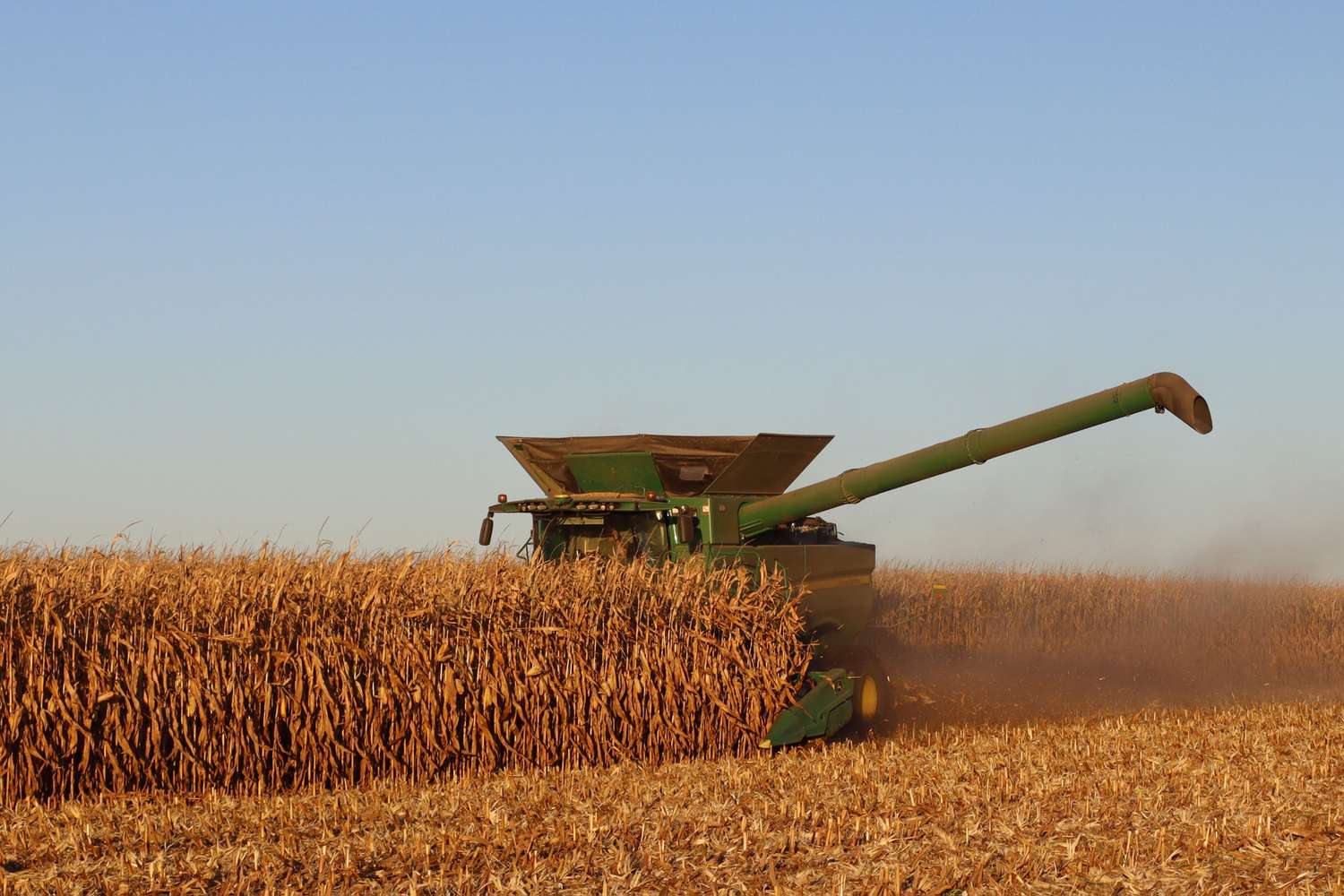
The project stresses scouting to identify the pathogen and how it survives, whether blowing in from neighbouring fields or overwintering in crop residue, so that rotations can be adjusted. At harvest, adjusting combine fan settings can blow out lighter, damaged kernels and keep some contaminated grain out of storage.
Photo: CSIRO / Wikimedia Commons (CC BY 3.0)
Source: Farms.com
Comments
(0)