
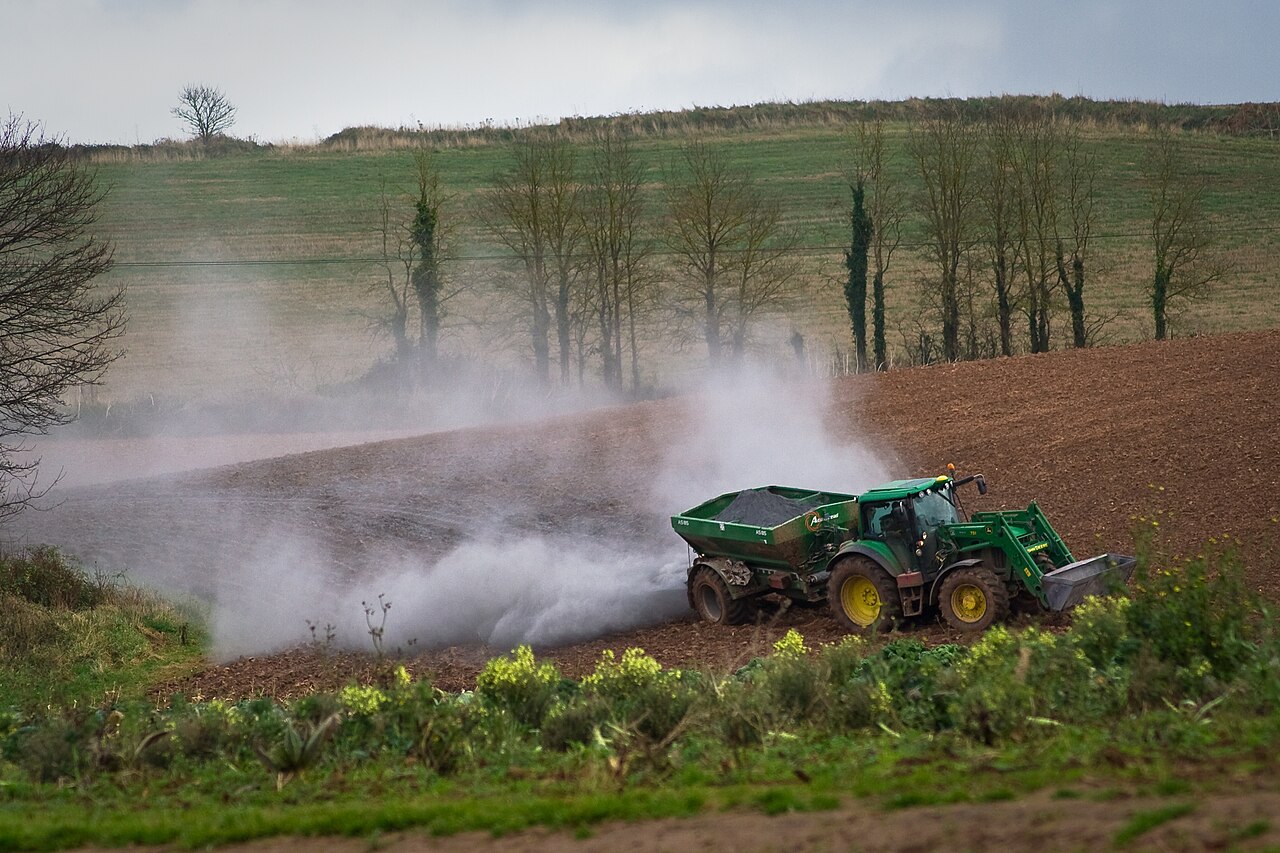
Pasture plants can only use the nutrients in the soil if its pH is right, and in Ohio and much of the temperate eastern United States soils are naturally more acidic than crops need, writes Emma Matcham in her column for Farm and Dairy. Low pH cuts the availability of phosphorus and other major nutrients and weakens the ability of legumes to fix nitrogen, so over time acidic pastures lose their clover and turn to grass.
Both low and high pH can stunt roots, Matcham notes, which means weaker plants, more bare ground, more weeds and more damage in a drought. High pH mostly causes trouble with micronutrients, but in her region low pH is the far more common problem.
The first step is a soil test. Samples can be taken from pasture at any time of year, but sticking to one season makes changes easier to follow, and fall suits well: the ground is firm enough to drive on, moist enough not to bend the probe, and it leaves the winter to plan next year's nutrients. She stresses filling in the lab's submission form accurately, because different crops have different target pH.
The targets she gives are pH 6.8 for alfalfa where the subsoil is below pH 6 and 6.5 where the subsoil is above 6; other forage legumes and grasses need 6.5 over acidic subsoil and 6 over subsoil above pH 6. A result more than 0.2 below the target is the signal to plan lime. The amount comes from the buffer pH or exchangeable acidity figure on the report, and the grower should check that the lab's rate is meant for permanent pasture or no-till, because lime that is not worked in only adjusts the top 4 inches (about 10 centimetres) of soil.
Lime can go on in fall or winter as long as there is no thick snow cover. Depending on how fine it is, the pH rises over 6 to 24 months; lime spread in November will have partly reacted by April. Matcham also warns graziers to walk recently limed fields before deciding on nitrogen, since lime left on the surface increases nitrogen losses to the air and wastes fertiliser.
Photo: Mark Robinson / Wikimedia Commons (CC BY 2.0)
Source: Farm and Dairy
Comments
(0)