
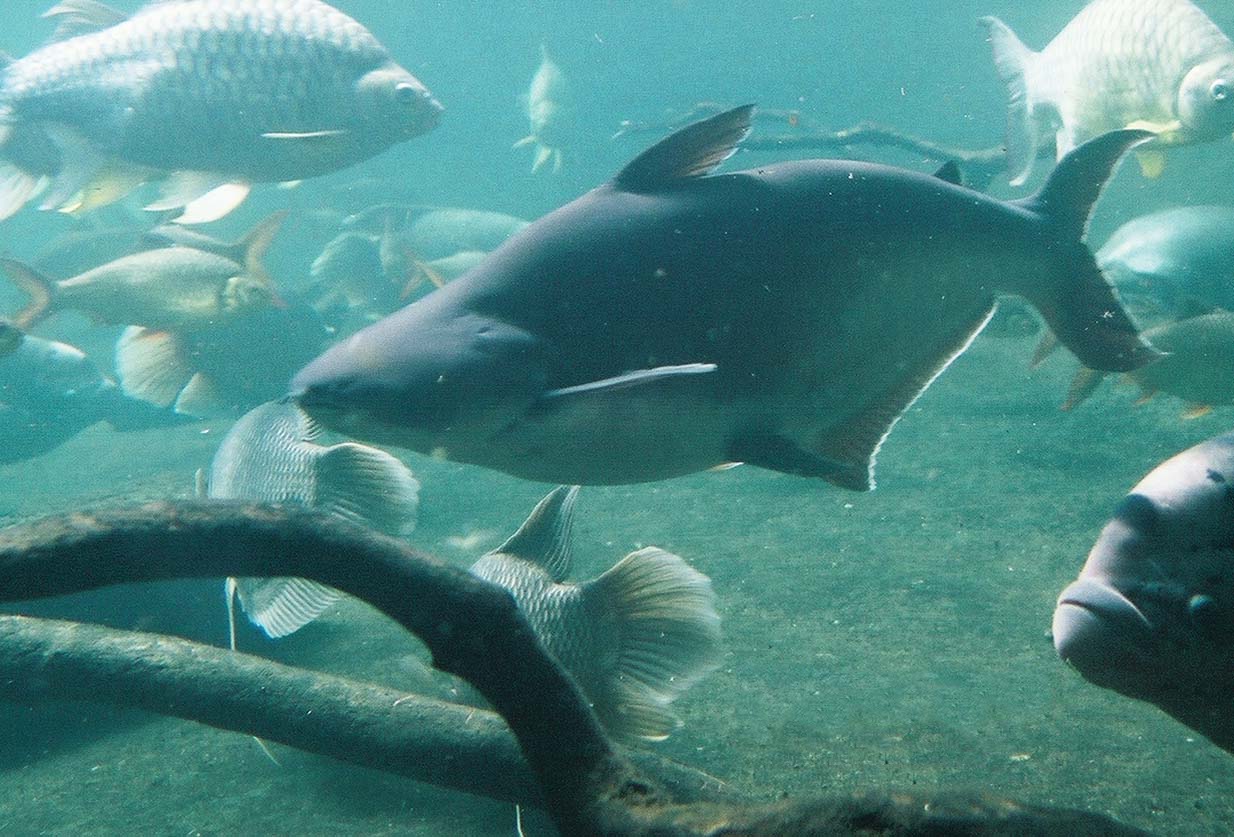
Pangas is one of the most popular and profitable fish a Bangladeshi farmer can stock. It grows fast, sells all year and costs little to raise — and it has a place in export markets too.
Why pangas
- Fast growth: market size in 6–8 months.
- Steady demand and price through the year.
- Simple, low-cost management.
- High output per acre under intensive culture.
The two kinds
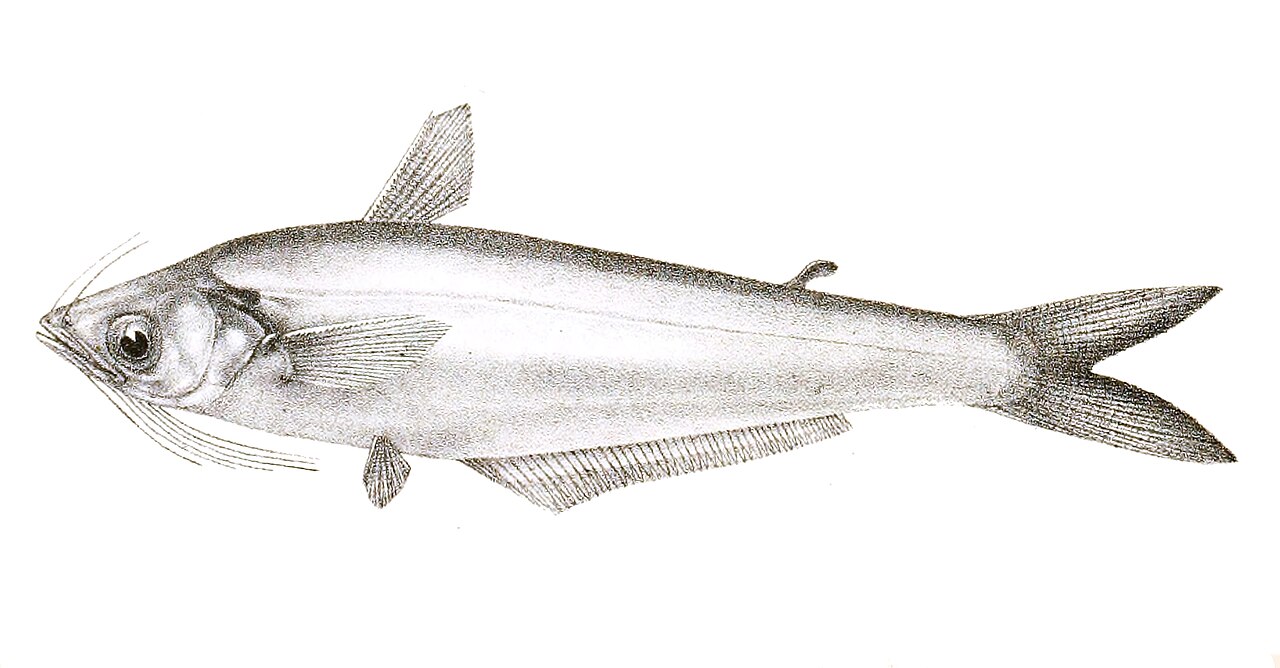
The native pangas — silver with a dark back, no scales, and the finer taste — is still found in the rivers of the south. The Thai pangas, from Thailand, Cambodia and Vietnam, was first bred successfully in Bangladesh in 1993 and is the fish of the commercial ponds.
Intensive culture
Fry are stocked densely and fed a protein-rich manufactured feed for high output in a short time; good management of water and feed decides the profit.
The pond
- Rectangular, with a level bottom, on loam soil, with strong banks that the monsoon will not breach, and near a road.
- Dry the pond, remove weeds and unwanted fish, lime it, and fertilise so natural food develops before stocking.
Stocking and feed
Buy healthy fingerlings from a reliable hatchery, stock at the density the pond can carry, and feed a balanced pellet twice a day, adjusting the ration as the fish grow.
Health
Watch the water — oxygen, ammonia, colour — change part of it regularly, and act on the first sign of disease.
Harvest in stages as the fish reach size; a well-run pond pays in months.
Photo: Pangas, the iridescent shark catfish (Pangasius hypophthalmus) — User:Melanochromis / Wikimedia Commons (CC BY-SA 3.0)
Comments
(0)