
Pamela Afokpe, R&D operations manager at East-West Seed West Africa, has won the 2026 Norman Borlaug Award for Field Research and Application for her work on African indigenous vegetables, Global Agriculture reports. She received the award, endowed by the Rockefeller Foundation for field scientists under 40, at the World Food Prize Foundation ceremony in Des Moines, Iowa, on 20 October.
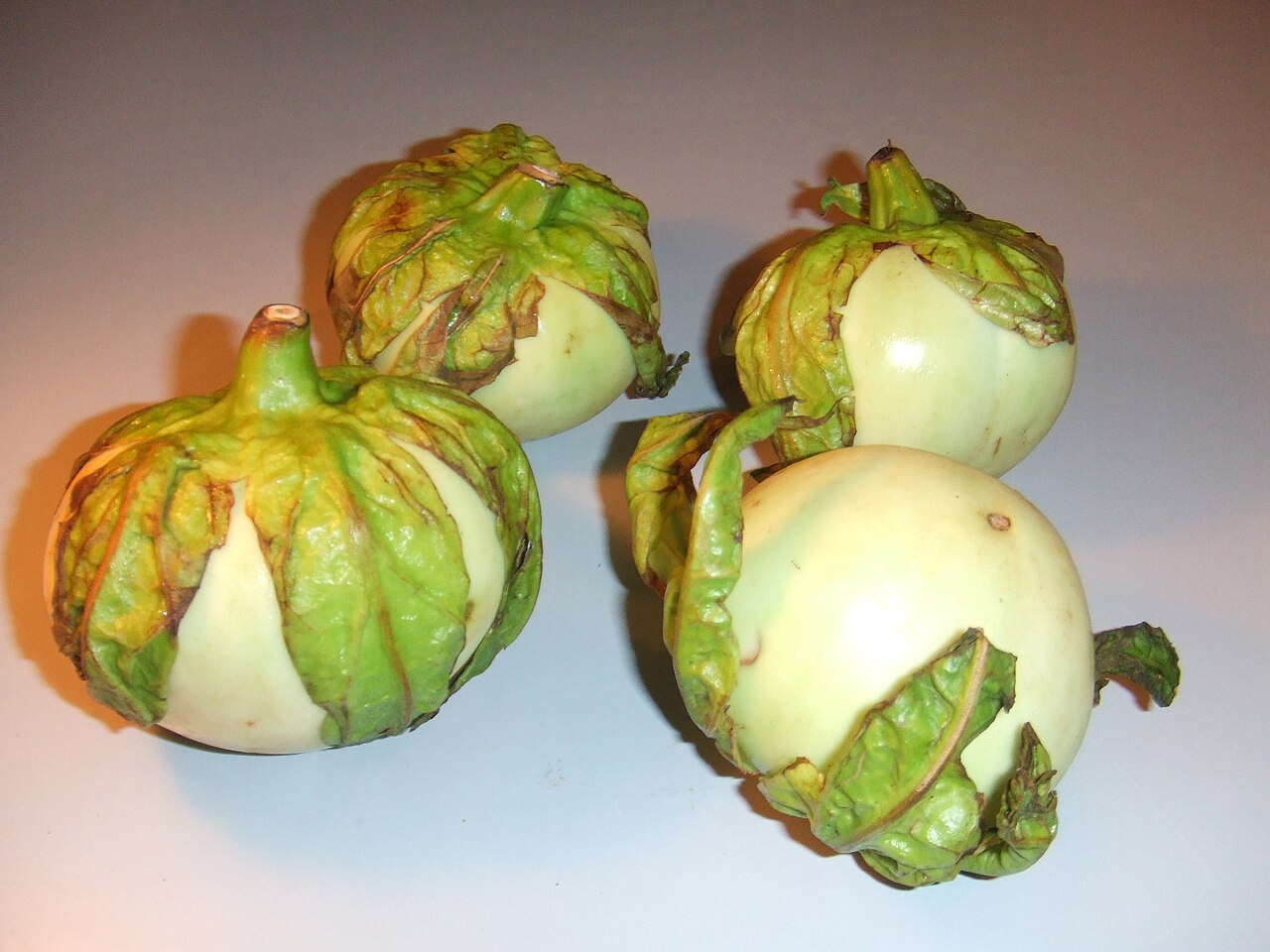
Her work focuses on crops long central to African diets but neglected by the formal seed sector, such as gboma (Solanum macrocarpon), amaranth and jute mallow (Corchorus olitorius). Starting in 2017 with a rented field and hand irrigation at East-West Seed's hub on the campus of the International Institute of Tropical Agriculture in Benin, she built a programme that collected and evaluated more than 2,000 crop accessions from across West Africa.
Her research challenged the assumption that farmers would always keep saving their own seed of these vegetables, pointing instead to the lack of suitable improved seed. Its best-known result is Sika, a gboma variety with intermediate tolerance to bacterial wilt caused by Ralstonia and a longer shelf life.
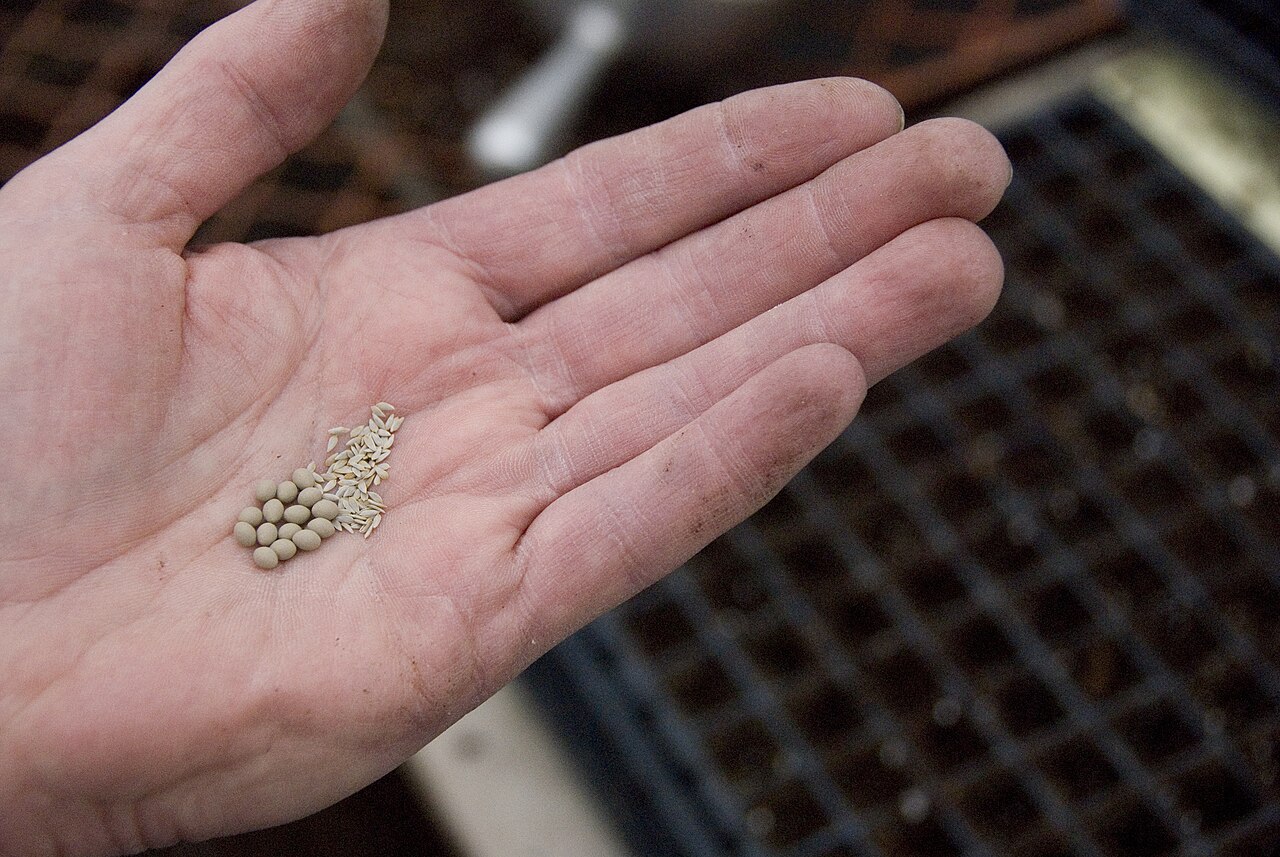
She also replaced broadcast sowing with more precise nursery practices, which East-West Seed says cut farmers' input costs by 40%, and ran shelf-life demonstrations with women market traders to show how less spoilage raised their daily earnings. Demand grew until some traders booked harvests in advance. According to the company, Sika produced more than 3,000 tonnes of produce equivalent in its first three years, reaching tens of thousands of smallholders and women retailers in West and Central Africa.
Afokpe also earned a sandwich PhD at Wageningen University & Research with peer-reviewed work on the genetic diversity and pest resistance of jute mallow. Her work fits the Vision for Adapted Crops and Soils initiative, which promotes indigenous and underused crops for food security and resilience.
Photo: Hans B. / Wikimedia Commons (public domain)
Source: Global Agriculture

Comments
(0)