
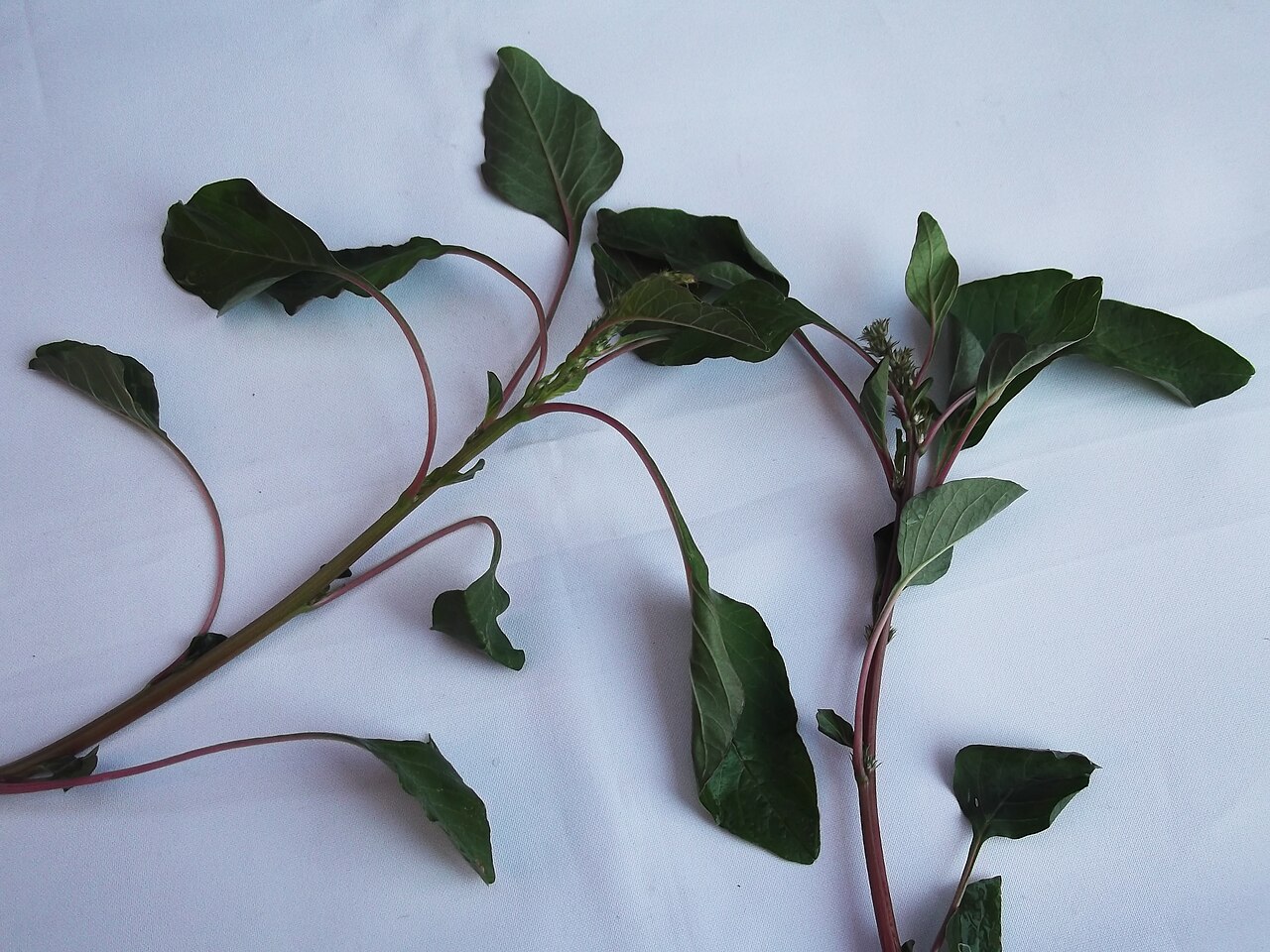
Palmer amaranth, one of the most damaging weeds in US agriculture, keeps spreading into new regions while evolving resistance to key herbicides, according to an article on the GROW (Getting Rid of Weeds) network summarised by CropLife. Once mostly confined to the Southwest, it has spread through contaminated seed, equipment, livestock feed and birdseed; it can grow up to three inches a day, produce up to 500,000 seeds per female plant and cut crop yields by up to 95 percent.
In the Pacific Northwest, University of Idaho weed scientist Albert Adjesiwor says more than 70 percent of Idaho's documented Palmer amaranth populations resist glyphosate. Growers there are adding residual herbicides, diversifying rotations, planting cover crops, using weed electrocution and hand-weeding crews to stop seed production.
In the Northeast, researchers have found New York populations with high resistance to atrazine through non-target-site, or metabolic, mechanisms, which can confer resistance to several herbicide groups. Rutgers University's Thierry Besançon says herbicides alone will not work long term and urges integrated tactics, early detection and cleaning equipment between fields, since a single contaminated combine can spread seed.
Photo: Yercaud-elango / Wikimedia Commons (CC BY-SA 4.0)
Source: CropLife

Comments
(0)