
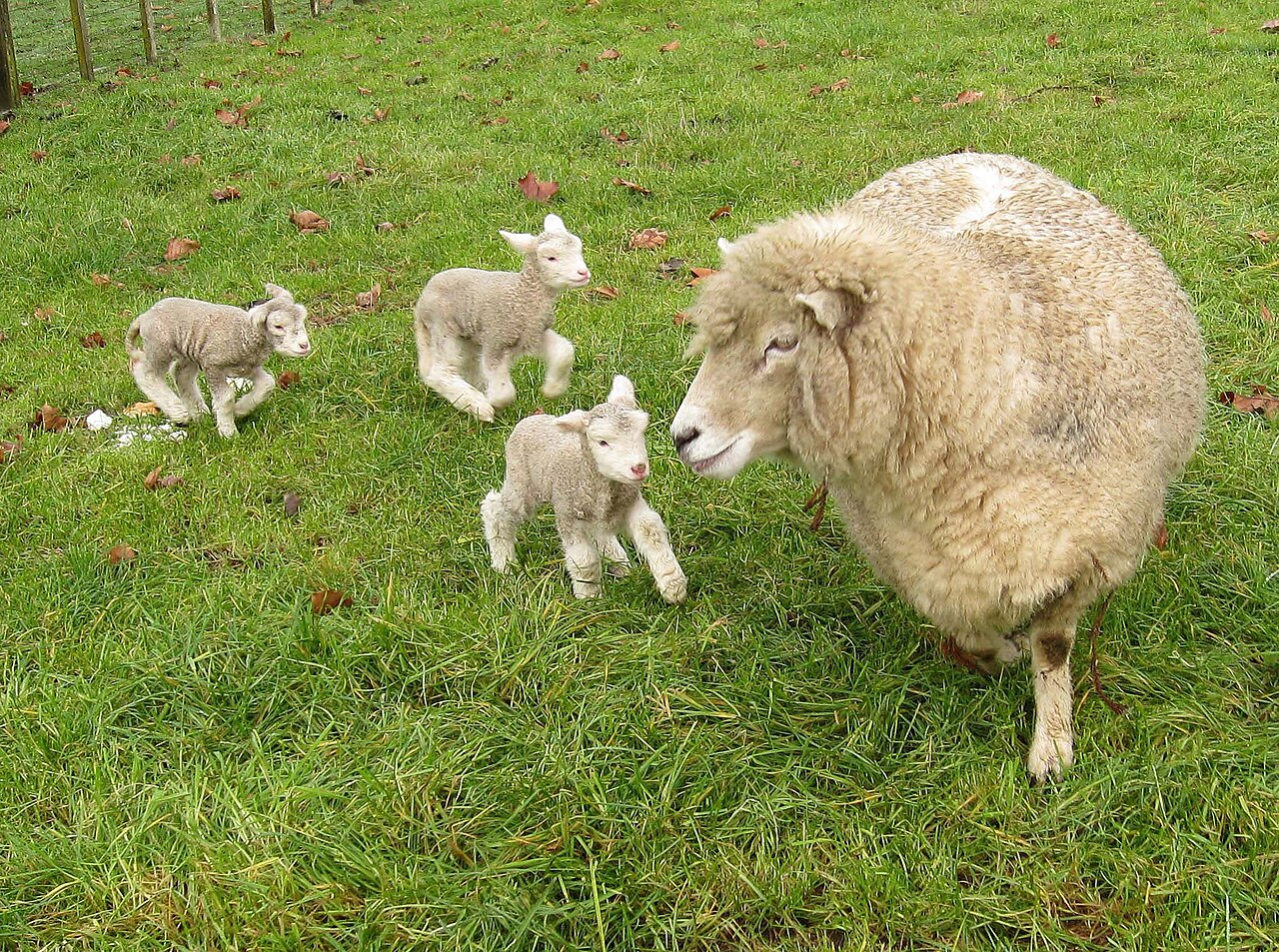
The companies that collect New Zealand farmers' milk, process their meat, sell them fertiliser and lend them money are investing in technologies to cut methane from livestock without asking farmers whether they want them, Waitaki Valley sheep and deer farmer Paige Wills argues in an opinion column for Rural News. The views are the writer's own.
Wills lists the investors in AgriZeroNZ, a 50/50 public-private partnership funding methane-inhibiting vaccines, feed additives and other interventions: Fonterra, Silver Fern Farms, Synlait, a2 Milk, ANZCO, Ravensdown, Farmlands, Alliance, ANZ, ASB, BNZ and Rabobank. It has $308 million committed, with taxpayer money matching private investment dollar for dollar, which she says means farmers and taxpayers are helping to underwrite technologies from which many of these companies stand to benefit.
She singles out Fonterra, which committed up to $50 million, has added another $31 million and says it is "preparing to adopt novel technologies as they become commercially available", listing vaccines among them. That, she writes, is not just funding research but preparing a path to adoption in its own supply chain.
Wills questions who is asking for the technologies. She quotes Open Country chief executive Mark de Lautour asking "which markets and which customers?" and saying food safety, not emissions, drives customer decisions, and cites a May 2025 survey of 1,460 farmers by NZ Farming, Groundswell NZ and the Methane Science Accord in which 93% said they would refuse to use methane inhibitors. She also asks whether ruminant methane needs reducing at all, and says that if particular export markets require these products, the companies should name them.
A Farmlands, Silver Fern Farms and Ravensdown shareholder and an ANZ customer herself, Wills says she expected those businesses to represent her interests. She warns that once methane products are embedded in farm systems, supply chains and export rules they will be hard to reverse, and urges farmers to ask the businesses they deal with what they have put into AgriZeroNZ and to raise it at their next shareholder meeting.
Photo: Pam / Wikimedia Commons (CC BY 2.0)
Source: Rural News Group

Comments
(0)