
Flat prices against sharply higher costs are the arable sector's biggest problem, Foundation for Arable Research (FAR) chief executive Scott Champion told Rural News, after facilitating an Arable Sector Forum of FAR, Federated Farmers, the Ministry for Primary Industries and growers called to tackle reports of farmers leaving the sector for better returns.
Fuel, fertiliser, machinery and agrichemical costs had all outpaced gains on the product side, Champion said, some of them driven by tensions in the Middle East that the sector cannot address in the short term.
The forum agreed five initial priorities: tackling poor on-farm profitability and costs; better market intelligence and data for farm decisions; a closer partnership between arable and the dairy and livestock sectors; improving transport and logistics; and building customer recognition of New Zealand-grown grain.
Champion said 75% of New Zealand's wheat and barley already goes into animal feed and about 90% of arable farms carry livestock, so FAR is looking at how local grain could replace some imported supplementary feed such as palm kernel expeller, distillers' grain and soy, though not all of it, since imports exceed national production. FAR has released the first New Zealand life-cycle data for maize grain, maize silage, feed wheat and feed barley.
Associate Agriculture Minister Mike Butterick, who attended, said arable growers produce the grain, feed and seed that underpin livestock, horticulture and food manufacturing.
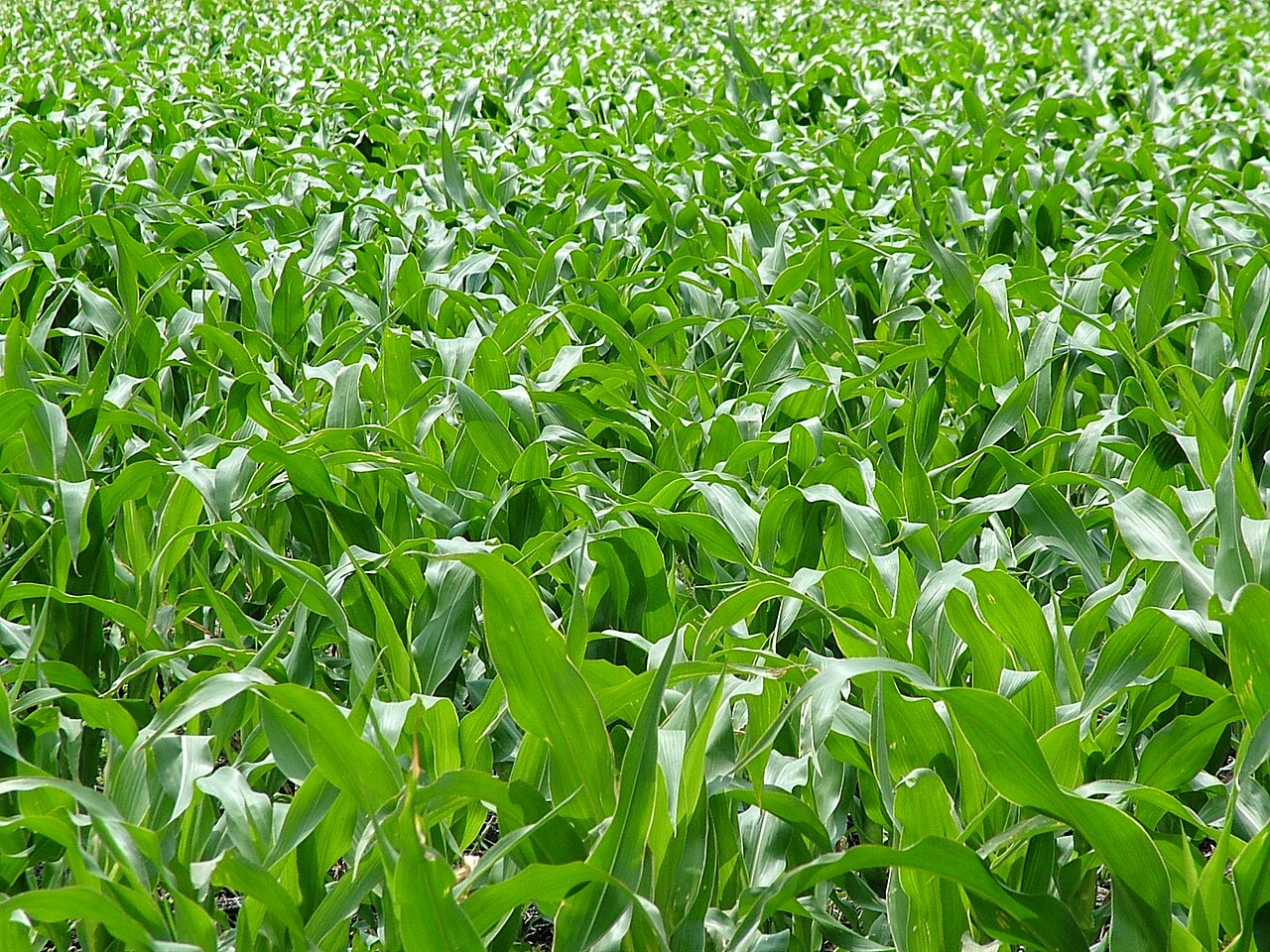
Photo: Bernard Spragg / Wikimedia Commons (CC0)
Source: Rural News Group


Comments
(0)