
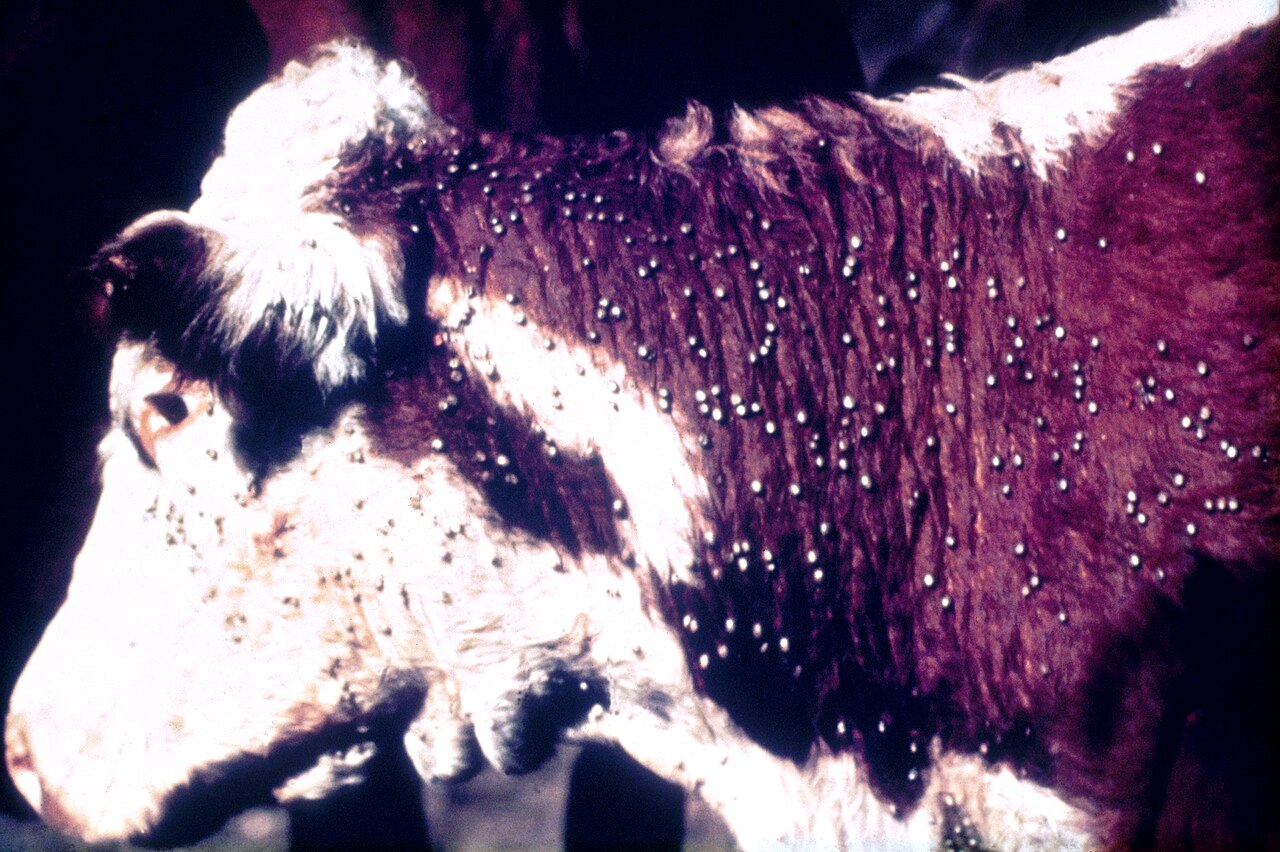
The New South Wales Government has released a new cattle tick strategy, following a $7 million investment earlier this year to revive the state's long-running tick programme.
The government says the strategy builds on that funding and on the recommendations of the Independent Biosecurity Commissioner, who reviewed the Cattle Tick Program at the government's request. In the past the programme dealt only with properties that reported cattle tick themselves, and the commissioner found that this was not an effective way to eradicate the parasite from the state.
The new plan treats the tick as a problem of whole landscapes rather than single farms, on the grounds that ticks infest a region and do not stop at the fence line. NSW will be divided into high, medium and low-risk areas, with resources directed at the high and medium-risk areas. The strategy, which will steer operations for the next six years, sets out clearer priorities, stronger surveillance, consistent communication and practical treatment plans for affected and at-risk properties.
It was drawn up with feedback from the beef and dairy industries, technical experts and communities on the state's far north coast. The cattle tick team will work with the Cattle Tick Consultative Committee and a Technical Advisory Group of epidemiologists, veterinarians and other specialists to review treatment arrangements and prepare the regulatory and operational framework.
Agriculture Minister Tara Moriarty said the coming year would focus on understanding where cattle tick is found, raising awareness and education, and improving tracing and engagement with stakeholders. "This important work is firmly focused on making sure the program is working to protect the beef and dairy farmers in NSW with the latest biosecurity management practices and the required resources," she said. The government says the strategy is part of more than $1 billion it is investing in biosecurity.
Cattle ticks are blood-feeding parasites that weaken cattle and spread tick fever, so control of the pest matters directly to the income of beef and dairy farmers in tick-affected regions.
Photo: CSIRO / Wikimedia Commons (CC BY 3.0)
Source: Beef Central

Comments
(0)