
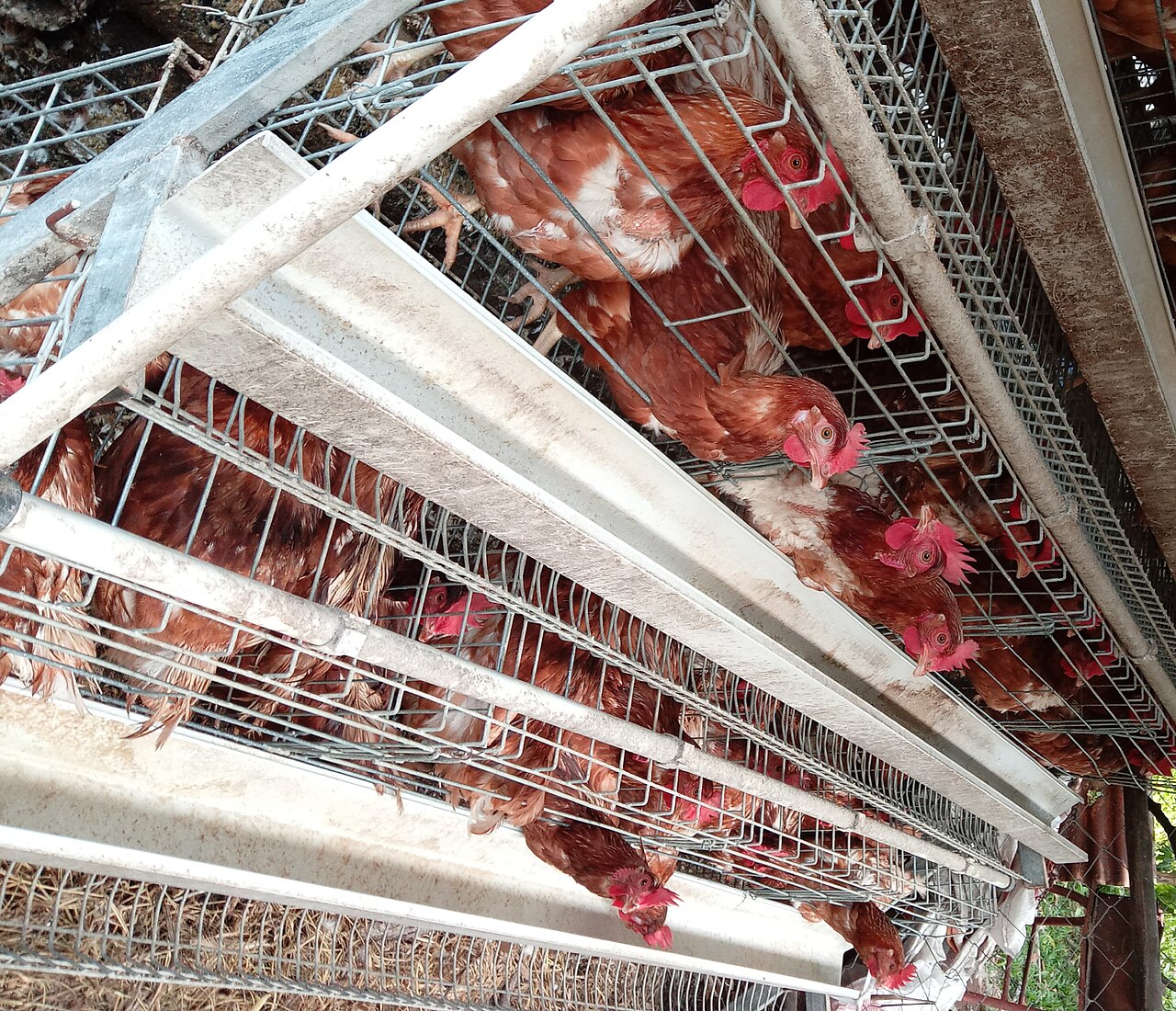
Sinethemba Nqobile Gebashe began farming in October 2011 with a mud-brick poultry house built from her pocket-money savings. Today her business, Ithuba Lamahlavula Farming in the Umzumbe area of KwaZulu-Natal, South Africa, keeps 1,000 laying hens and supplies eggs in bulk to wholesalers.
Her parents gave her two hectares of family land, where she started with 50 day-old broilers. She registered the business in 2012, but the following year heavy rain destroyed the mud-brick house and she lost her whole flock. She saved from her early income to build a sturdier 10 m by 5 m broiler unit. "My aim was to establish a layer farming project, but due to insufficient funds, I initially continued with broiler production," she says.
Support followed. Through the Umzumbe Local Municipality's LED Asset Assist Programme she bought her first 500 laying hens and moved into egg production. The KwaZulu-Natal department of agriculture and rural development then backed her with R400,000, which let her expand to 1,000 layers and upgrade housing, feed supply and equipment.
The farm now sells eggs to Mandate Food Company, PCK Distributors, Turton Wholesale and Mthwalume Wholesale, and sells spent hens to people in the community. It employs two permanent and two part-time workers and hosts two agriculture graduates from the department, who help with daily management, grading, packing and deliveries.
Gebashe trained for the work: she studied primary agriculture at Coastal KZN FET College and earned a national diploma and then a BTech in agricultural management from the University of South Africa, and she worked as an assistant extension officer. Like many emerging poultry farmers, she faces high feed prices, disease risk, limited capacity and transport costs. "We mitigate these challenges by monitoring chicken health, maintaining proper hygiene, managing feed carefully, planning production, and building relationships with reliable bulk customers," she says.
She plans to reach 5,000 layers within three years and to use chicken litter to fertilise local crops. Her advice to new farmers is to "start small, be committed, and learn continuously", to know their market and control production costs.
Photo: Shark2025 / Wikimedia Commons (CC BY-SA 4.0)
Source: Food for Mzansi

Comments
(0)