
Cattle slaughter in the European Union is forecast to fall by about 2.5 percent in 2026 and by a further 0.38 percent in 2027, according to a livestock report on the EU by the US Department of Agriculture's Foreign Agricultural Service.
Official slaughter fell by 3.851 percent in the first half of 2026, as smaller supplies of animals and farmers holding on to their cattle reduced throughput. The largest falls in absolute terms were in France, Germany, Belgium and Austria. Had slaughter stayed that low for the whole year, the report says, the EU cattle herd would have grown for the first time in ten years.
A heatwave and drought that reached the EU in July changed that outlook. They are expected to reduce fodder supplies until the next season, most severely in Hungary and France, where heatwaves are becoming more frequent and more extreme. Short supplies and poor-quality feed, together with a higher risk of aflatoxin contamination in corn and silage, are likely to hurt reproduction, feed intake and survival rates, and limited feed is expected to bring slaughter forward in the second half of 2026.
The result is a drought-driven rise in slaughter later this year within an overall decline for 2026, leaving slightly fewer cattle on farms at the end of the year.
With milk prices relatively low and beef prices high, the report expects the dairy cow herd to shrink more than the beef cow herd. A smaller cow herd means fewer young animals in 2027, and with fewer animals available and a growing incentive to build up beef herds, slaughter is forecast to fall again next year.
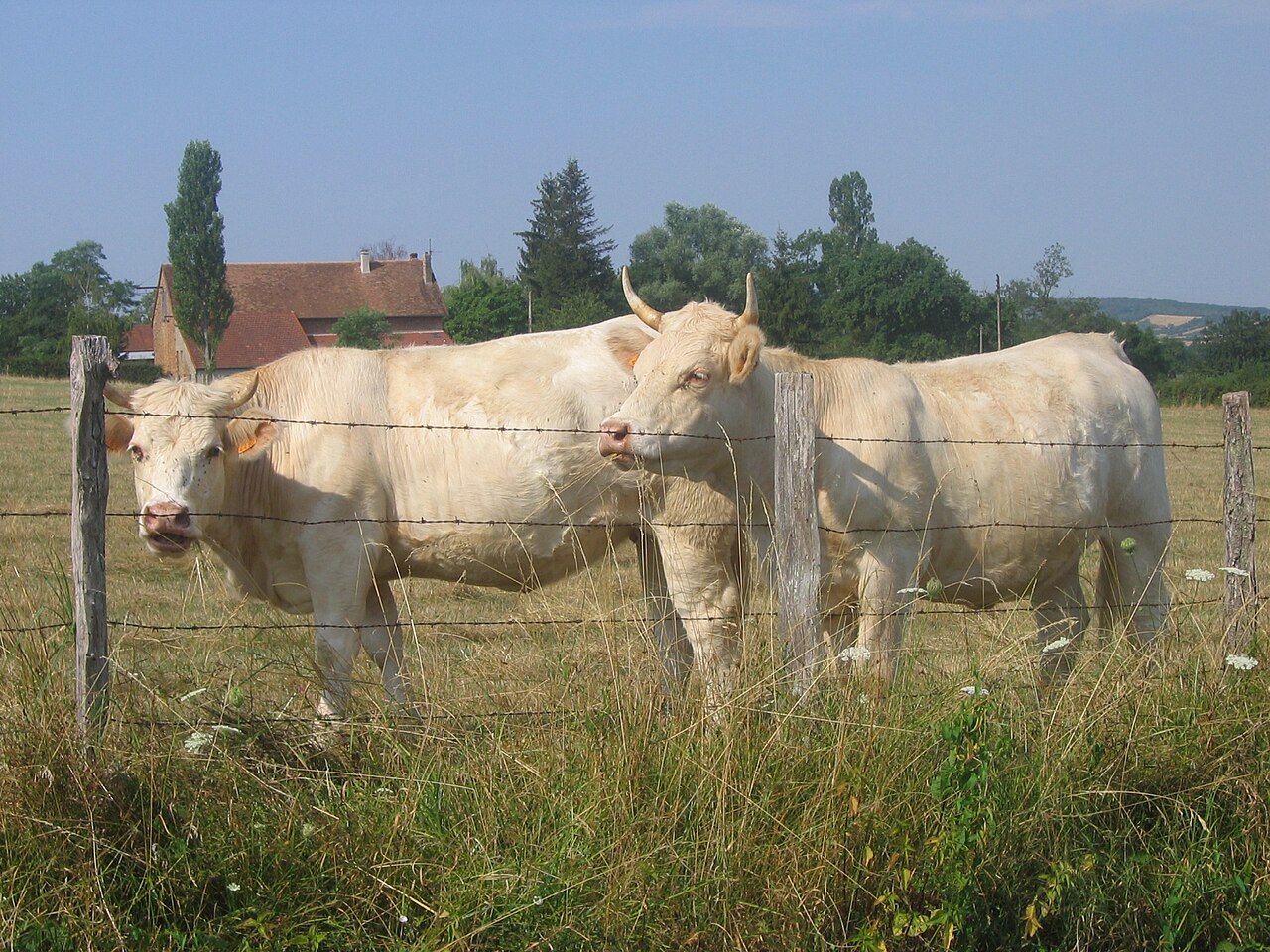
Photo: Urban / Wikimedia Commons (public domain)
Source: The Cattle Site

Comments
(0)