
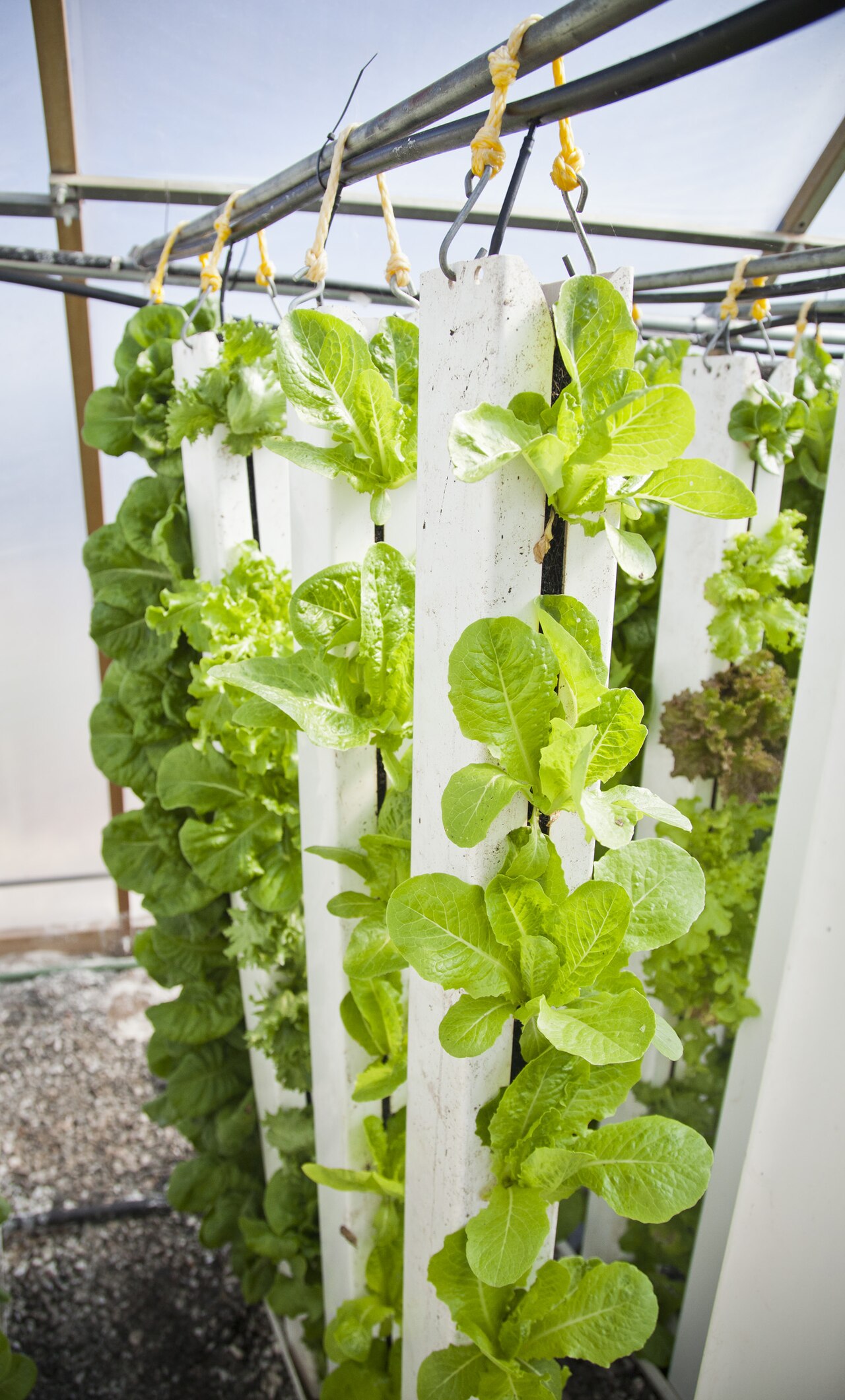
A vertical farm near Gardermoen, just north of Oslo, is growing and packing lettuce and herbs without any person handling the crop from seed to finished pack. The robotics and automation system was developed with the Norwegian research institute SINTEF, and the operator says a packaging change made alongside it has stretched the product's shelf life from the usual 2 to 4 weeks for fresh salad greens to about 12 weeks.
The farm is run by Himmelgrønt AS, a venture involving the grocery chain Coop Norge and the agricultural technology company Avisomo. SINTEF researcher Ottar Bakås contributed the automation and robotics engineering, as did Aleksander Lillienskiold in earlier stages of the project. The plants grow hydroponically, with their roots in flowing, nutrient-enriched water instead of soil, on tiered shelves inside a building where light, air and water are regulated automatically.
What sets the project apart is how much of the work has been handed to machines. Labour for transplanting, harvesting and packing has kept many vertical farms unprofitable. At Gardermoen, robots sow the seed, move the trays through the growing system, harvest the crop and pack it, with no manual step at any stage. The fastest-growing salad varieties are ready in just over two weeks from sowing.
Bakås said the system allows production all year, which reduces Norway's need to import salad greens and herbs during its long winters. Keeping hands off the crop also removes a common route for contamination, since most food-safety problems with fresh salads are traced to harvest, washing or packing rather than to the growing method.
Some claims cannot yet be checked. The companies have not said exactly what changed in the packaging, and they have not published figures on energy use, water use per kilogram or total output, so the farm's costs and environmental footprint cannot be compared with imported produce. A 12-week shelf life would be unusually long for fresh-cut greens; if it holds in ordinary shops it could cut the waste of leafy greens, one of the most discarded items in grocery chains.
Coop Norge's part in the venture gives the farm a ready route into the chain's own stores, which is often the hardest step for a new vertical farm. The companies say the building is designed to take other crops, including berries, tomatoes and cucumbers, but have given no timeline.
Photo: Bright Agrotech / Wikimedia Commons (CC BY-SA 4.0)
Source: Global Agriculture


Comments
(0)