
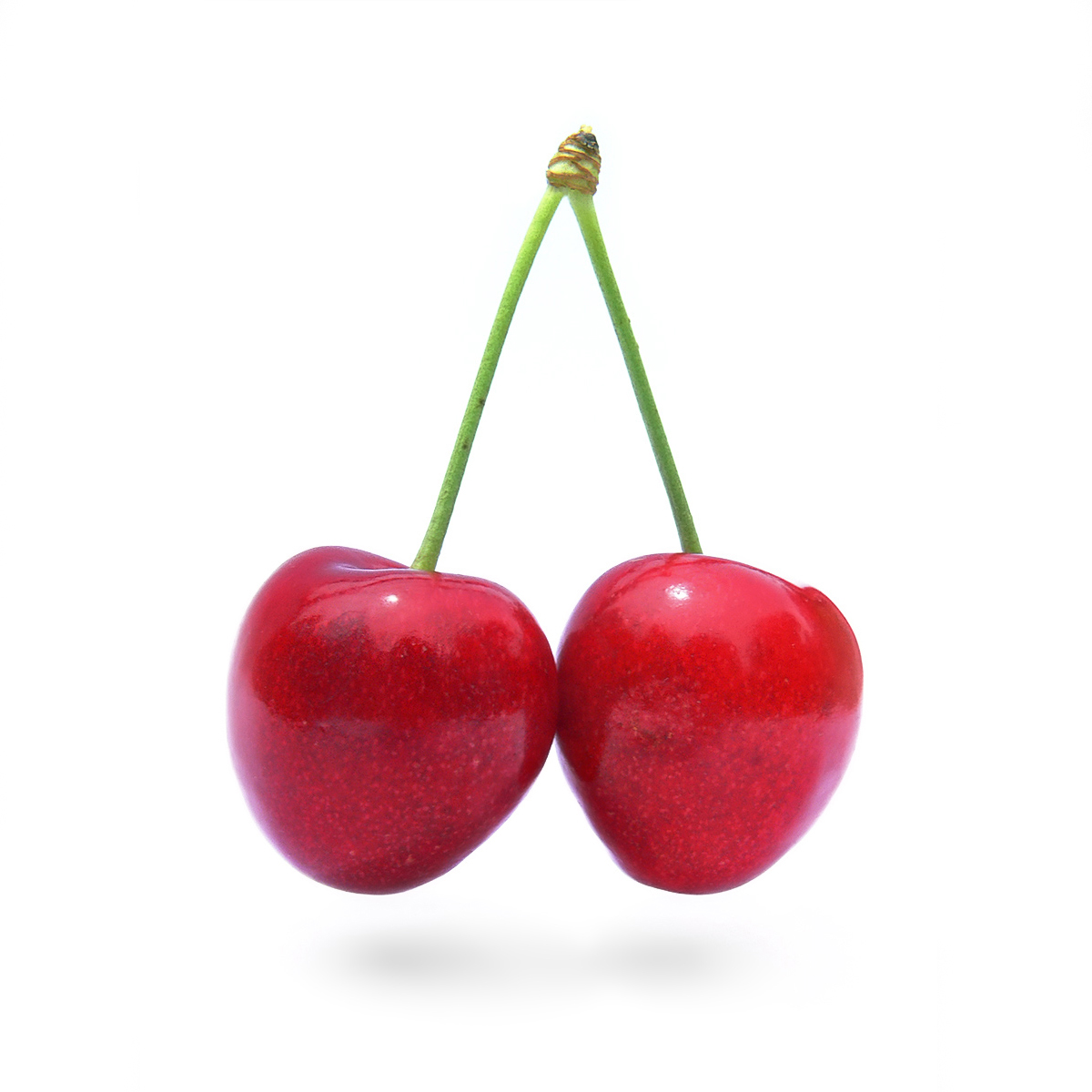
The Pacific Northwest's 2026 cherry season brought a smaller crop and better prices, but only a slight profit, and many growers are still working off debt from a bad 2025 and a difficult 2023, industry leaders told Capital Press. "We need a few really good, solid seasons in a row to get growers back on their feet," said Eric Patrick, president of the Washington State Fruit Commission, which oversees Northwest Cherries.
Patrick put the preliminary estimate for the region's production at roughly 17 million boxes, down from 23.6 million last year and below the initial forecast of 18.4 to 19.2 million, largely because of a spring frost. Like other specialty-crop sectors, cherry growers face high labour and diesel costs.
Ian Chandler, chairman of the Oregon Sweet Cherry Commission and a grower of 300 acres in Wasco County, Oregon, said the year fell short: "While we didn't go backwards, we didn't make any gains. Historically, a crop of this size would have been able to sell a lot better." Initial returns were 70 to 80 cents a pound against production costs of roughly 65 to 70 cents, and borrowing costs likely wiped out what margin there was. "I have people wanting me to take over their farms, and I don't know if I have the money to do it," he said.
Small growers are being squeezed out of the packing system. Penny Bickford of Bickford Farms, a four-acre organic cherry grower in Orondo, Washington, said no warehouse or cooperative will take their early organic fruit any more because they do not want to set up lines for 60 to 100 bins, so she and her husband Monte sell as much as they can at farmers' markets and other direct channels.
Dane Klindt, another Wasco County grower, said most farmers made enough to try again next year despite a mid-season lull, but worried about a return to a harvest near 25 million boxes: "We either need more markets or less cherries." Patrick said the industry can market larger crops, is promoting the fruit's health benefits and is in the second year of a push into India, where cherries are not a traditional fruit. Reporting by Kyle Odegard.
Photo: Benjamint444 / Wikimedia Commons (CC BY-SA 3.0)
Source: Capital Press
Comments
(0)