
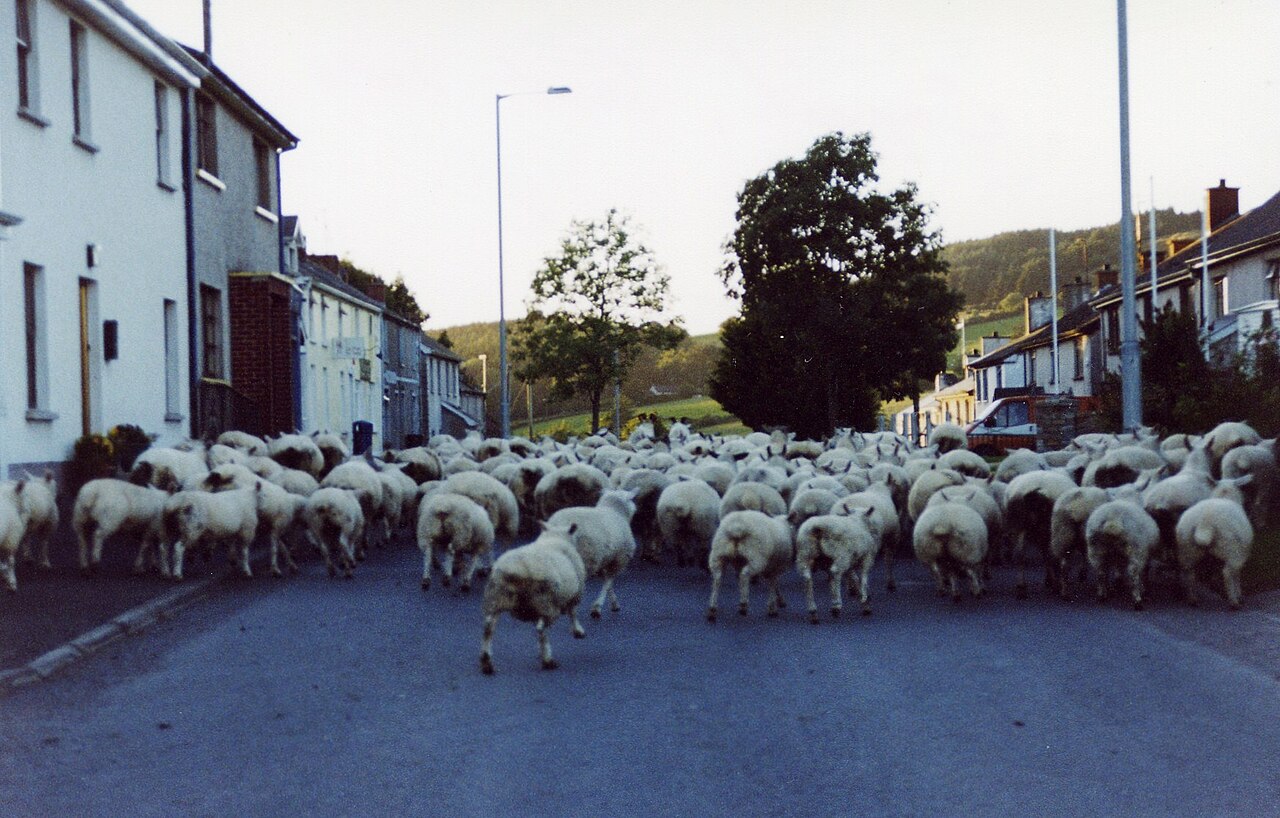
Northern Ireland's agriculture minister has warned that clinical cases of bluetongue are likely to appear in the region within the next month, and has urged farmers to consider vaccinating cattle and sheep, Agriland reports.
"Since the beginning of the current bluetongue season, which commenced on July 1, 2026, there have been more than 1,600 confirmed cases of the BTV-3 strain in Great Britain," said Andrew Muir, Minister of Agriculture, Environment and Rural Affairs. That compares with 348 cases in the previous season, when clinical signs were also less severe. The Republic of Ireland has confirmed eight cases this season in counties Wexford, Wicklow, Kildare and Louth.
No case has been found in Northern Ireland this season, and all suspect cases reported in recent weeks were ruled out by laboratory tests. But Muir said the virus, which hits fertility and productivity, could already be present in herds without visible signs. "I and my officials believe there is a strong possibility clinical cases will emerge over the next month," he said.
He urged farmers to discuss vaccination with their vets, calling it "the only preventative tool to help reduce the impact of this disease". Cattle take about six weeks and sheep about three weeks to develop full immunity after vaccination. The Department of Agriculture, Environment and Rural Affairs (DAERA) is running surveillance at abattoirs and testing susceptible animals imported from mainland Europe.
Bluetongue poses no risk to public health or food safety, but can cause sores and ulcers around the nose, mouth and eyes, fever, breathing difficulties, abortion, stillbirths and deformed offspring in cattle, sheep, goats, deer, llamas and alpacas. Suspected cases must be reported to DAERA.
Photo: Seansweeney1 / Wikimedia Commons (public domain)
Source: Agriland

Comments
(0)