
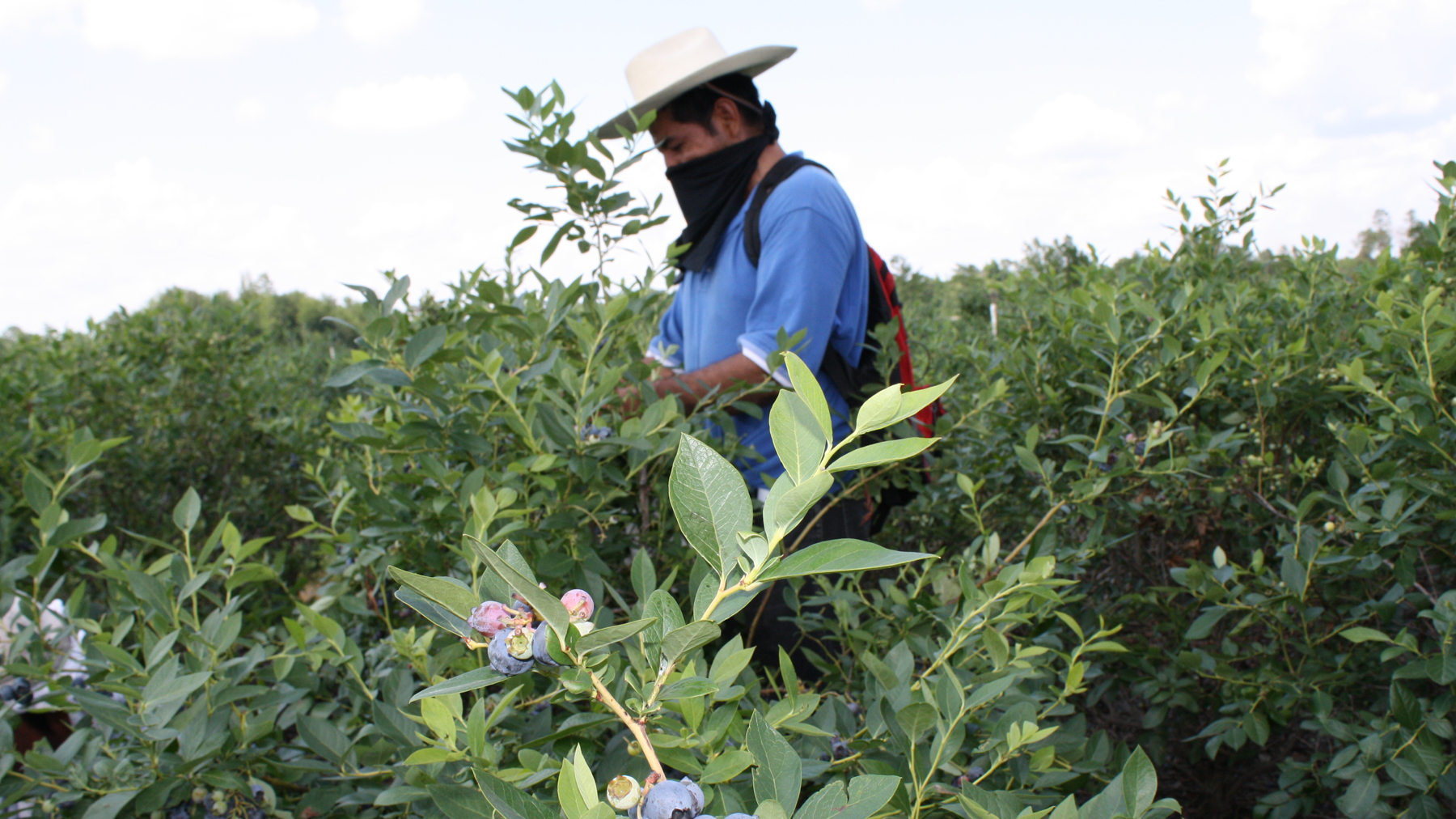
Finding workers is often the biggest challenge farmers name, ahead of pests, weather and thin margins, and for growers of fruit, vegetables and other specialty crops in the American South the answer will come from both machines and policy, agricultural labour economist Alejandro Gutierrez-Li of North Carolina State University told Farm Progress.
North Carolina's sweet potatoes, apples, strawberries, blueberries, greenhouse ornamentals, tobacco, poultry and Christmas trees all depend on a reliable labour supply, he said. Automation is the long-term solution, but mechanisation is slow and costly, and many farmers lack the margins to invest, so human hands will be needed for the foreseeable future. Immigration policy is therefore the near-term fix.
The federal H-2A programme, which admits foreign workers for temporary or seasonal jobs when domestic workers are unavailable, is so important that many farmers say they would be out of business without it, Gutierrez-Li said. Shortages, he added, are a food-security risk as well as a farm problem at a time when affordability dominates public debate.
Policy has been volatile. Last October the Trump administration changed how H-2A wages are calculated, lowering effective pay and raising demand for the workers; on 25 August a federal court held the change unlawful and sent it back to the Department of Labor. In June the Supreme Court ruled the executive branch may end temporary protected status designations, and in July the designations for Haiti and Syria were ended — workers Gutierrez-Li believes were employed in the state's large meatpacking plants, where losses could raise meat prices or close plants in rural areas with few employers. "Reversals like this make a strong case for automation as a long-term solution," he said.
He points to the North Carolina Plant Sciences Initiative, which links university scientists and engineers with Extension agents and growers, as the bridge that will bring automation and artificial intelligence to farms.
Shawn Harding, president of the North Carolina Farm Bureau, agreed that automation will arrive, large farms first, but said guest workers will be needed until costs fall. Many members have used H-2A for 20 to 30 years with workers who return each season. "Are you sending your kids to college to harvest sweet potatoes or pick blueberries?" he asked. "If we are going to keep growing our own food here, we need immigrants to do these jobs."
Source: Farm Progress
Comments
(0)