
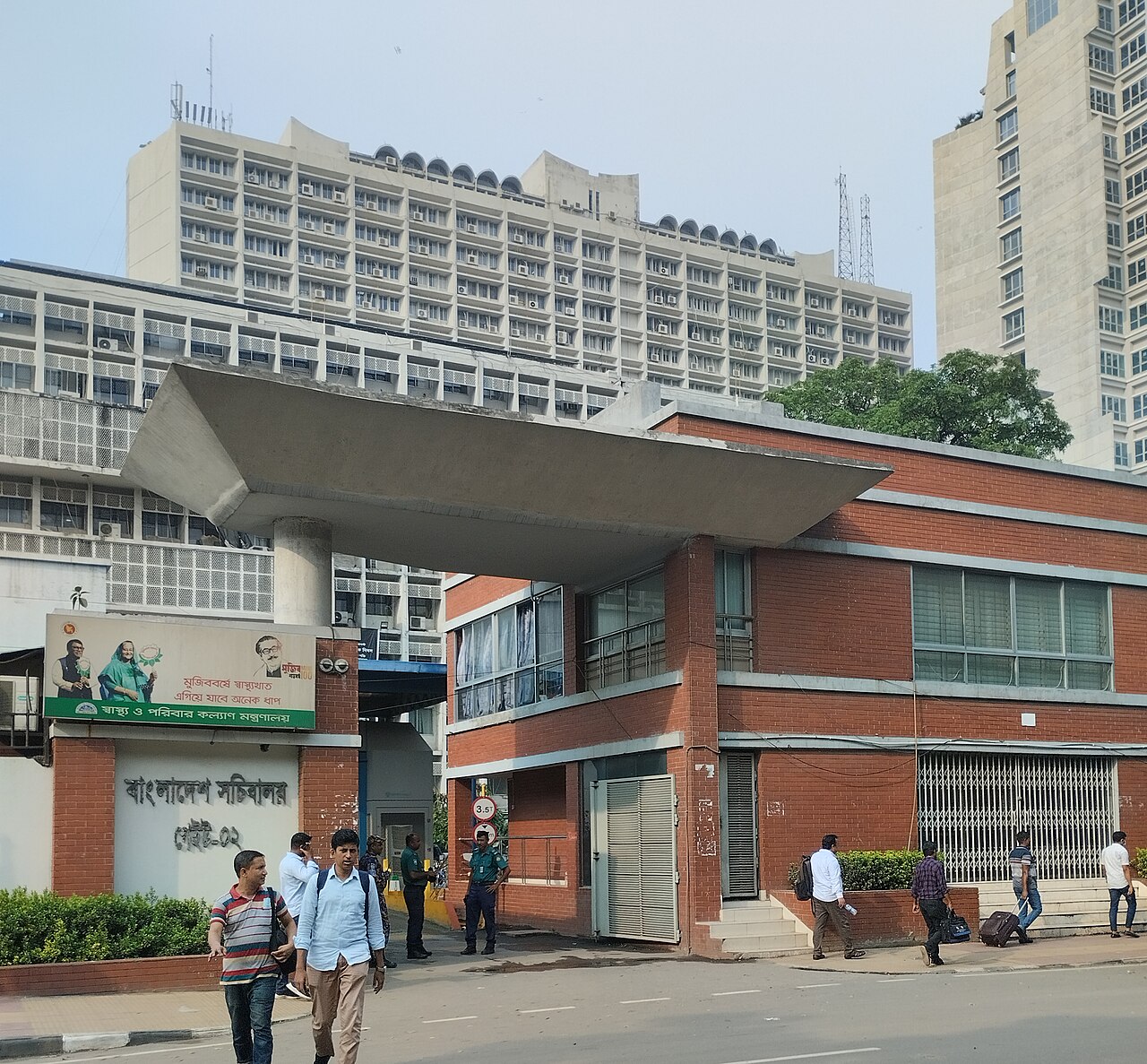
Bangladesh's cabinet has approved the list of public holidays for 2027, giving 22 days off beyond the weekly weekend. The list was approved at the cabinet's 26th meeting, chaired by Prime Minister Tarique Rahman at the Secretariat on Monday (2 November), the Cabinet Division said in a press release.
At an evening briefing at the Secretariat, Cabinet Secretary Nasimul Ghani said 15 days of general holiday are proposed for national days and major religious festivals of different communities, four of which (two Fridays and two Saturdays) fall on weekends. A further 14 days of holiday by executive order cover Bangla New Year and various religious festivals; three of these (one Friday and two Saturdays) also fall on weekends.
Of the 29 proposed holidays, seven fall on weekends, leaving 22 effective days off. Government employees may also take up to three days of optional leave a year for their own religious festivals, and employees from small ethnic communities working in the Chittagong Hill Tracts and elsewhere will get two days of optional leave for Boisabi or similar main social festivals.
At the same meeting the cabinet gave final approval, subject to vetting by the Legislative and Parliamentary Affairs Division, to the draft Special Solar Power Installation Act, 2026. A Special Solar Power Ordinance, 2026 was issued earlier to speed up such installations; under Article 93 of the Constitution an ordinance must be laid before parliament, and the draft act is meant to turn it into law.
The cabinet also approved the draft Public Procurement (Second Amendment) Act, 2026 to bring transparency, accountability and competition to government purchasing. It proposes protection for domestic industry and special provisions for new, micro and small entrepreneurs, women and disadvantaged bidders. The original 2006 act has been amended six times so far.
Knowing the holiday calendar early lets working families plan trips home, festivals and shopping ahead of time. The report is based on Samakal's coverage.
Photo: Wasiul Bahar / Wikimedia Commons (CC BY-SA 4.0)
Source: Samakal

Comments
(0)