
A promised second chance for New Zealand to win better access to India for key dairy exports is likely to come to nothing, Farmers Weekly NZ reports. When the NZ-India free trade agreement was concluded late last year, India cut tariffs on dairy products making up only 3.8% of New Zealand's global dairy trade.
Trade Minister Todd McClay and officials pointed at the time to a side letter that they said placed a "legal obligation" on India to reopen negotiations if it included bulk dairy commodities in a future trade agreement with a comparable dairy exporter.
Details of India's agreement with the European Union, released last week, show the EU did not get core dairy products either. "They ended up with the same exclusions on those products as we did," said Kimberly Crewther, executive director of the Dairy Companies Association of New Zealand.
India already has deals with Australia and the UK, leaving the United States as the last comparable exporter. But the side letter only counts a free trade agreement that meets the World Trade Organization's definition, "and that is not the type of agreement that the US currently negotiates", Crewther said.
The EU text does give Europe better terms on some niche products: a halving of tariffs on high-value milk albumins with no quota after 10 years, where New Zealand faces a quota indefinitely, and lower tariffs on retail-ready infant formula that New Zealand did not get. Exporters will push for comparable access at the agreement's first-year review next October. The NZ-India agreement formally starts on 20 October. The report is by Nigel Stirling.
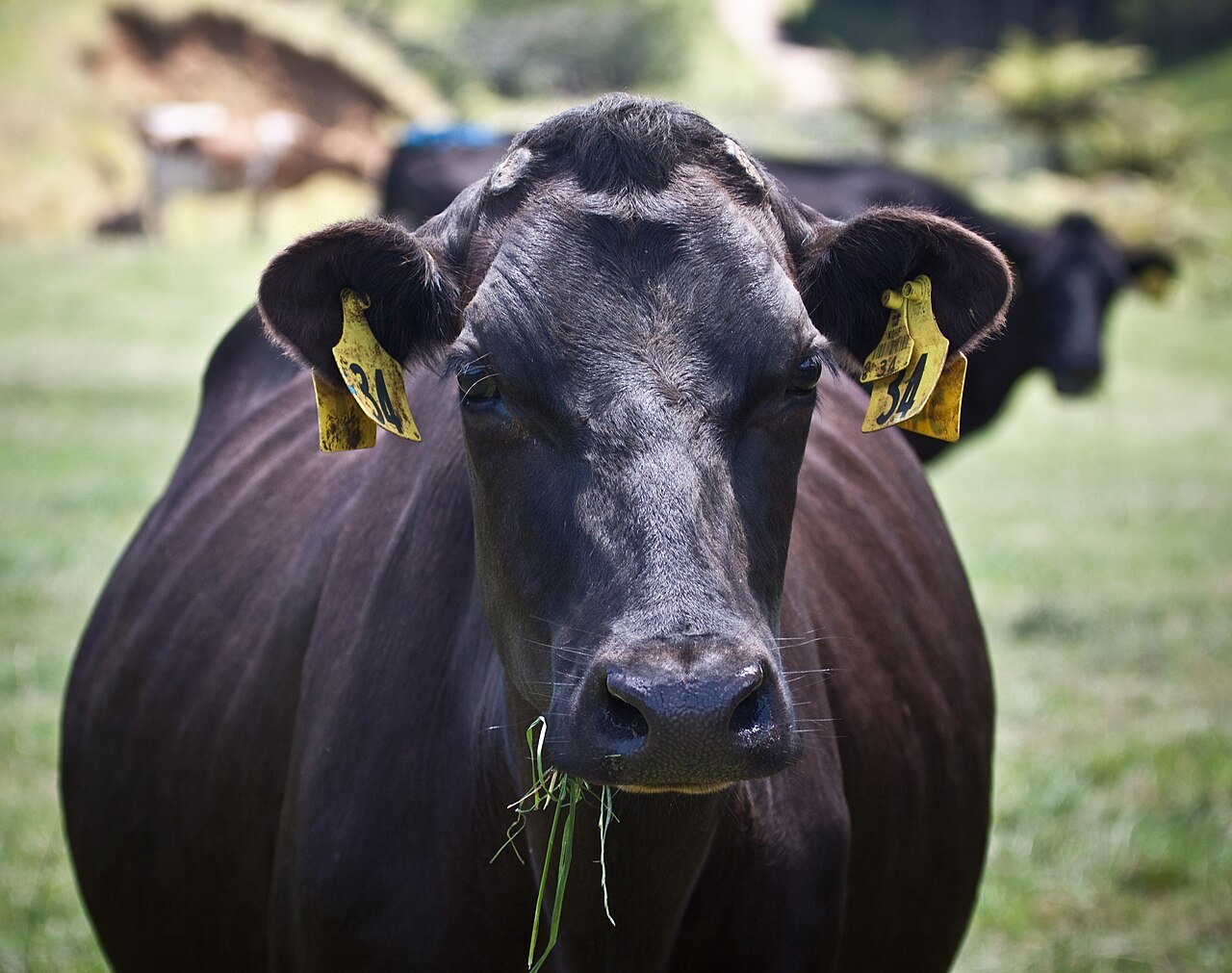
Photo: Dave Young / Wikimedia Commons (CC BY 2.0)
Source: Farmers Weekly NZ


Comments
(0)