
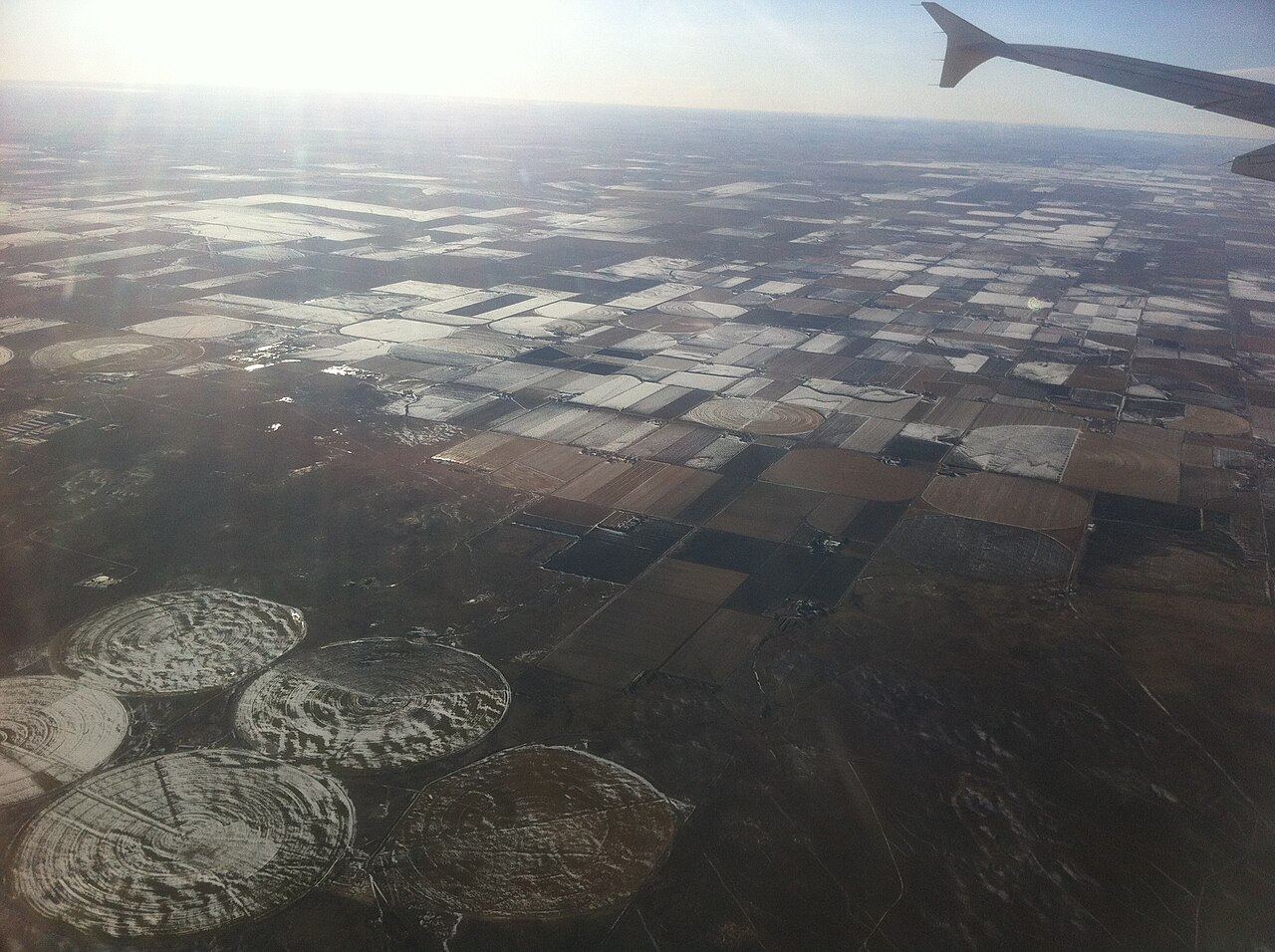
The University of Nebraska–Lincoln launched the Nebraska Digital Ag Hub on 15 September at Husker Harvest Days, an initiative meant to help farmers get more out of digital agriculture by building new decision-support tools, improving the ones already in use and training the people who will run them. It brings together university researchers, Nebraska Extension staff, teaching faculty, students, producers, industry, entrepreneurs and state and federal partners, with farmers' needs set at the centre of the work.
"Our vision is that Nebraska is where digital ag and innovation happens," said Tiffany Heng-Moss, Harlan Vice Chancellor of the university's Institute of Agriculture and Natural Resources and a University of Nebraska vice president. "It's where it's created, it's where it's tested, where it's validated, and it's where it's going to be scaled up."
The university already runs more than 40 programmes in digital agriculture, covering precision nitrogen and irrigation management, robotics and automation, livestock technology, remote sensing, artificial intelligence and data science, along with an academic minor, said Guillermo Balboa, the hub's interim director and a research assistant professor of agronomy and horticulture. Its On-Farm Research Network, started more than 30 years ago, has helped producers across the state adopt precision tools and measure whether they pay. Sentinel Ag, a Nebraska startup that uses satellite data to fine-tune nitrogen fertiliser, was founded by a Husker graduate student, tested through that network and now serves producers in 25 states.
The hub grew out of conversations between faculty and farmers. "We heard enormous excitement about digital agriculture, but also real challenges," Balboa said. "Producers told us there are too many technologies. Systems do not always communicate with each other. The return on investment is not always clear. And we need more people with the skills to turn enormous amounts of data into better decisions."
The hub will map and connect the digital-agriculture assets already in Nebraska, build a network spanning the university, Extension, producers, industry and government, launch interdisciplinary research, and offer new education and credentialing in digital agriculture for students and producers alike. The university is also part of the NASA Acres Farm Innovation programme, which is developing the next generation of Earth-observation technology for agriculture, with Nebraska producers taking part. "We are using Nebraska fields as a real-world testbed," Balboa said, "connecting field measurements and producer knowledge with emerging satellite and hyperspectral technologies to explore how the next generation of Earth observations can improve decisions around crop management, water and nutrients."
Heng-Moss said the scale and diversity of Nebraska's agriculture, combined with the university's expertise and its partnerships with producers and industry, give the state the chance to shape the changes ahead rather than merely respond to them. Reporting by Cara Pesek.
Photo: Codrin.B / Wikimedia Commons (CC BY-SA 3.0)
Source: Precision Farming Dealer
Comments
(0)