
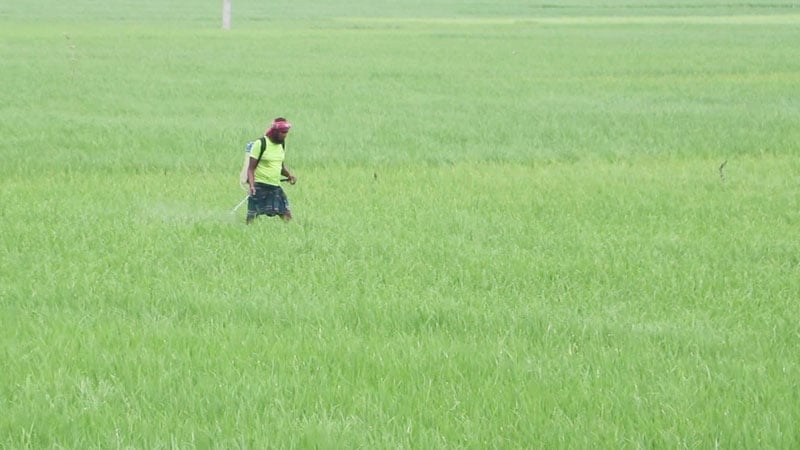
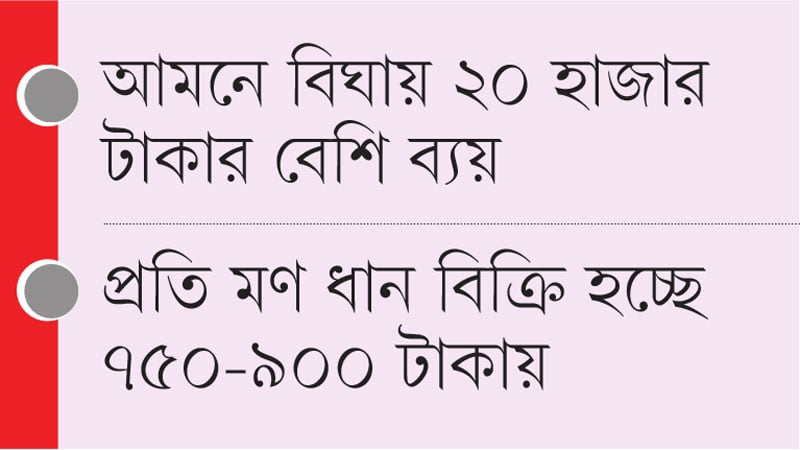
In Naogaon, the rice district, the Tk 20 rise in the price of diesel to Tk 135 a litre is pushing up what farmers pay for irrigation, tillage, threshing and carrying their crops. By their reckoning, these together could add Tk 1,500 to as much as Tk 2,500 to the cost of each bigha, and they fear losses in the coming Boro season.
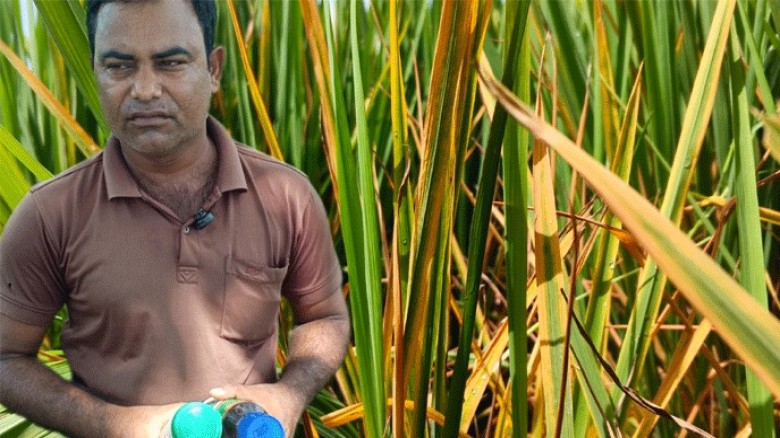
Diesel-run irrigation pumps, tractors, power tillers and threshers are used for rice, vegetables and other cash crops in Naogaon, so fuel prices feed straight into production costs. Abdus Salam of Shikarpur in Sadar upazila said irrigation alone could cost Tk 800 to Tk 1,000 more a bigha, and all told at least Tk 2,000 to Tk 2,500 more. "Seed, fertiliser and pesticide prices had already gone up. Now costs are rising at every stage from preparing the land to bringing the rice home," he said.
Asib Ali of Brindarampur in Mohadevpur said the land there is high and needs more water, so irrigation could cost about Tk 1,000 more a bigha, with another Tk 1,000 to Tk 1,500 for tillage, threshing and transport. Saiduzzaman, a sharecropper in Raninagar, put the rise at Tk 700-800 for irrigation and Tk 700-900 for land preparation and threshing. "We don't know whether the price of rice will rise in proportion," he said.
Abdul Kader Hira of Ganeshpur in Manda said diesel is needed for almost every task from planting to market, so rents for tractors, irrigation pumps and threshers will go up. Farmers say sharecroppers will be hit hardest.
Md Monjur Rahman, deputy director of the district Department of Agricultural Extension, said production costs may rise somewhat, but government incentives and other support are being provided, and farmers are being encouraged to use solar irrigation pumps, which can cut fuel costs in the long run.
Zainal Abedin Mukul, district coordinator of the Socialist Party of Bangladesh (BASAD), called for a special fuel subsidy for agriculture or incentives on easy terms. Farmers want action to reduce irrigation and machinery costs before the Boro season begins.
Reported by Samakal.
Source: Samakal
Comments
(0)