
The Nagaland Centre of the ICAR Research Complex for the North Eastern Hill Region has shown farmers seven newly developed rice varieties at a field day, letting them and agriculture officials judge how the varieties perform in the state's conditions, ICAR reports.
Approved for release in April 2026 by the State Seed Sub-Committee, the varieties mature in 115 to 120 days and have a yield potential of 5 to 7 tonnes a hectare. They tolerate blast disease and are moderately tolerant of moisture stress. They were bred to tackle the main problems of Nagaland's rice farmers: long crop duration, dry spells and losses to diseases and insect pests. More than nine years of research went into them, with nearly 990 breeding lines tested.
The field day brought together 56 people, including farmers from Sovima, Henvi, Chümoukedima, Dhansiripar and Singrijan, officials of the state agriculture department, the centre's scientists and Krishi Vigyan Kendra staff. Farmers who had already grown some of the varieties reported good results, and several others said they wanted to adopt them.
Limanenla, joint secretary of Nagaland's agriculture department, said the shorter duration, higher yield and stress tolerance could help farmers harvest more in less time, open the way to better cropping systems and raise income, and asked field staff to spread the varieties across the state. Dr H. Kalita, head of the regional centre, stressed the role of short-duration rice in making rice-based farming more efficient and profitable.
The release was approved at a meeting of the State Seed Sub-Committee on 21 April 2026 at the centre in Medziphema. Mhathung Yanthan, adviser for agriculture in the Nagaland government, called the varieties a significant milestone for the state and urged departments to work together so that farmers adopt them.
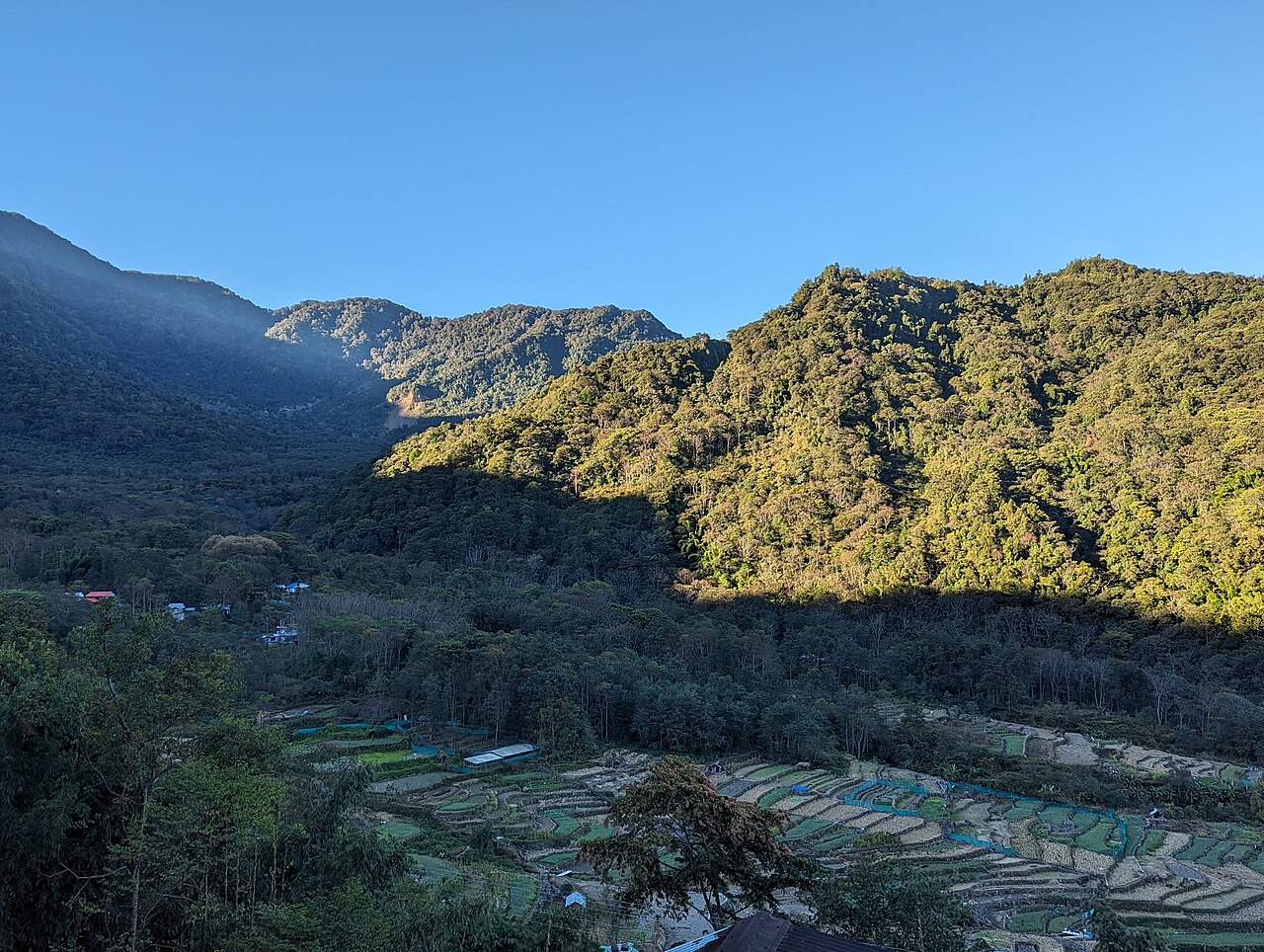
Photo: Joli Rumi / Wikimedia Commons (CC BY-SA 4.0)
Source: ICAR

Comments
(0)