
Every morning people of every trade set out for offices, factories, shops and schools to earn a living. A piece on Ittefaq's religion page reminds readers that for a Muslim a job is not just a way to be paid: the workplace is also a test of honesty, trustworthiness, responsibility and God-consciousness. Islam encourages work and the earning of a halal livelihood.
The article cites verse 10 of Surah Al-Jumu'ah, which tells believers to disperse through the land after the prayer and seek Allah's bounty. A salary pays for the shopping, the rent, the children's schooling and parents' medicines, so the source of that income must be clean. In a hadith recorded by Bukhari (number 2072), the Prophet (peace be upon him) said no one has eaten better food than what he earned with his own hands.
The second point is time and duty as a trust. The hours for which a worker is paid belong to the employer's work, the article says, and anyone who cheats on that trust will answer for it before Allah.
Skill must go with character. How a manager treats staff and how colleagues treat each other also matter in Islam, the piece says, and it names belittling others, exaggerating a colleague's mistakes, backbiting, taking credit for someone else's work and arrogance as blameworthy.
Work should not crowd out prayer, Quran recitation or time owed to family. Verse 103 of Surah An-Nisa says prayer is prescribed for believers at fixed times, so a Muslim should arrange to pray at work when the time comes as far as possible and not neglect obligatory worship because of the job.
Competence is part of the duty too: a doctor in medicine, a teacher in the subject, an engineer in the work and a trader in the rules of dealing. Taking on a job while hiding a lack of ability can harm oneself and others. The piece closes on the reward of coming home at day's end knowing one has wronged no one and earned nothing unlawful.
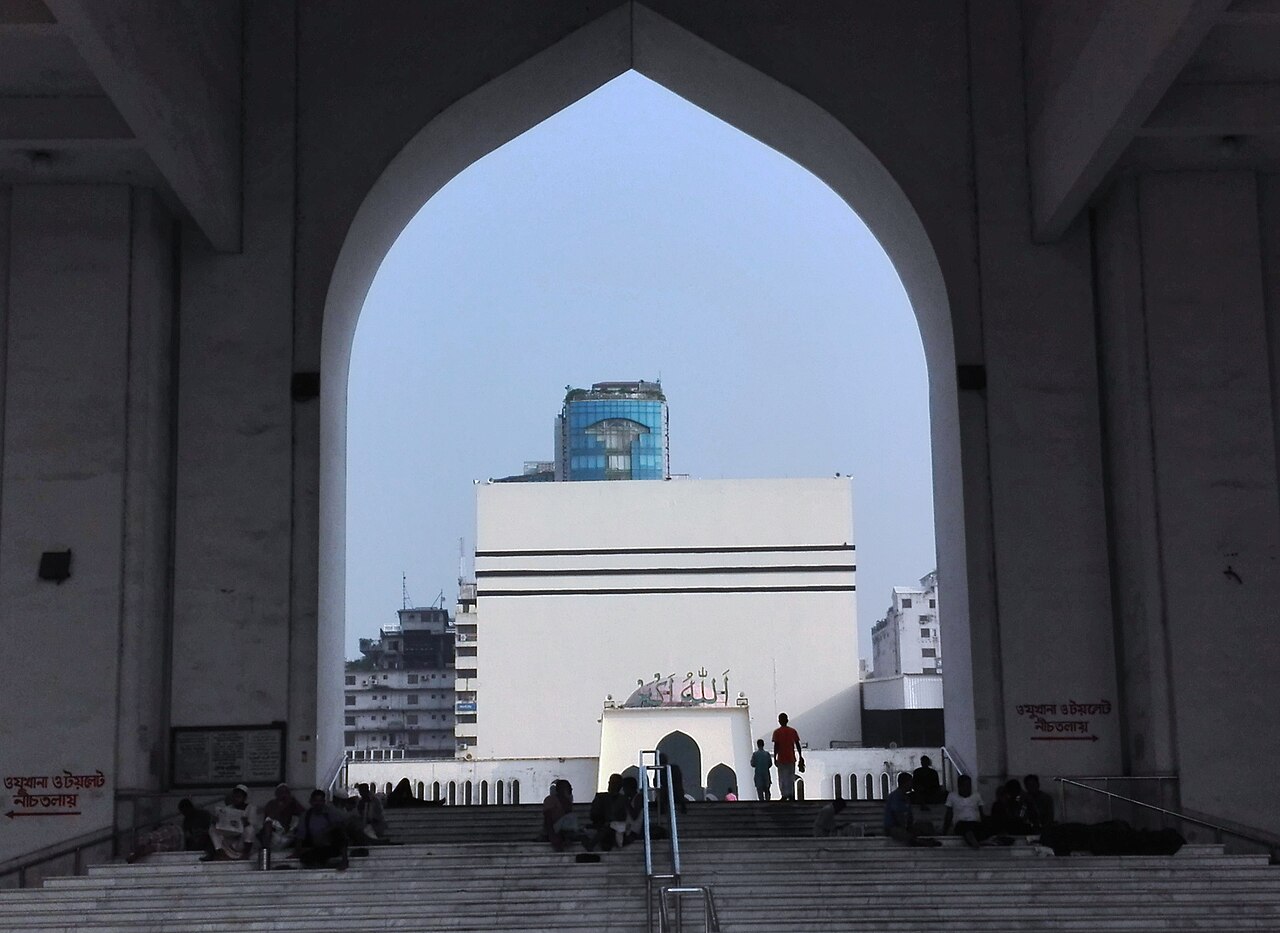
Photo: Ferdous / Wikimedia Commons (CC BY-SA 3.0)
Source: Ittefaq
Comments
(0)