
Islam treats care for guests as part of faith and a measure of human dignity. Writing in Prothom Alo, Monzurul Haque traces hospitality from the Quran and hadith through the history of Muslim civilisation to the manners expected of host and guest.
The Quran tells how the Prophet Ibrahim (Abraham) hurried to bring a roasted calf to unknown guests who turned out to be angels (Surah adh-Dhariyat, verses 24 to 27). The Prophet Muhammad (peace be upon him) said that whoever believes in God and the Last Day should honour his guest (Sahih al-Bukhari, hadith 6135). As Imam al-Nawawi explains, the first day and night are the guest's special right, the second day ordinary hospitality, and anything beyond is charity.
From the caliphate to the Ottomans, the Mughals and al-Andalus, the piece says, Muslim societies raised hospitality almost to an art. In Baghdad, Damascus, Cairo and Istanbul, guesthouses known as dar al-ziyafa, funded by rulers and waqf endowments, gave travellers, traders, students and the poor free meals and lodging. The langar kitchens of Sufi lodges fed anyone who came, a tradition still seen at shrines across the subcontinent.
For the host, the manners listed include a warm welcome and a comfortable seat, water and whatever food one can offer without delay, no show of artificial lavishness, staying with the guest during the meal and seeing them to the door. Citing Ali, the piece says the ideal host does not strain beyond his means but serves what is at home with a smile.
Guests have duties too: not turning up unannounced or when the host is busiest, and being content with what is served rather than asking for more.
For the writer, hospitality in Muslim civilisation is not mere social custom but a means of self-purification, worship and goodwill, and a guest brings blessing to the home.
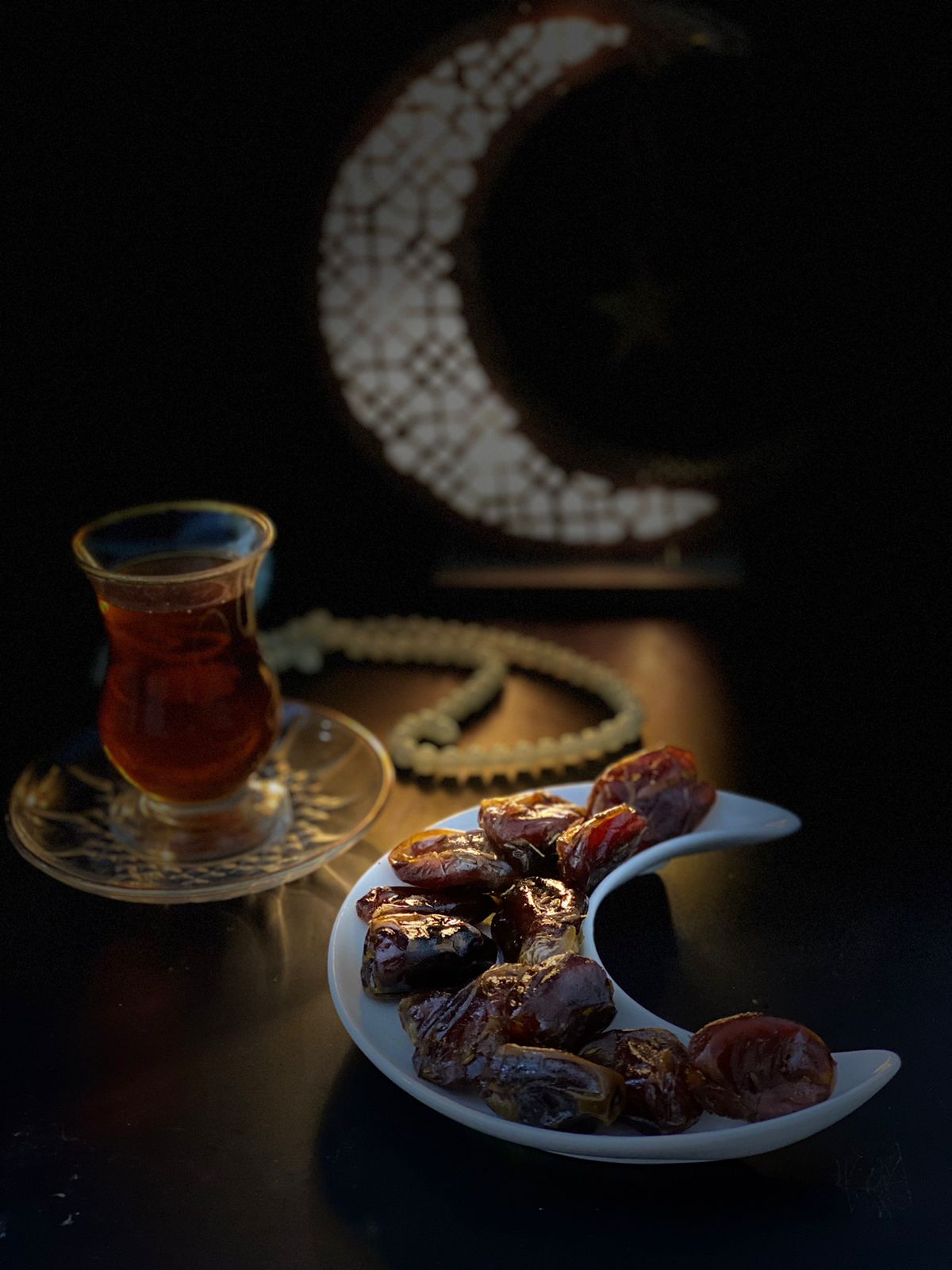
Photo: dates and Arabic coffee, Pshahma / Wikimedia Commons (CC BY-SA 4.0)
Source: Prothom Alo



Comments
(0)