
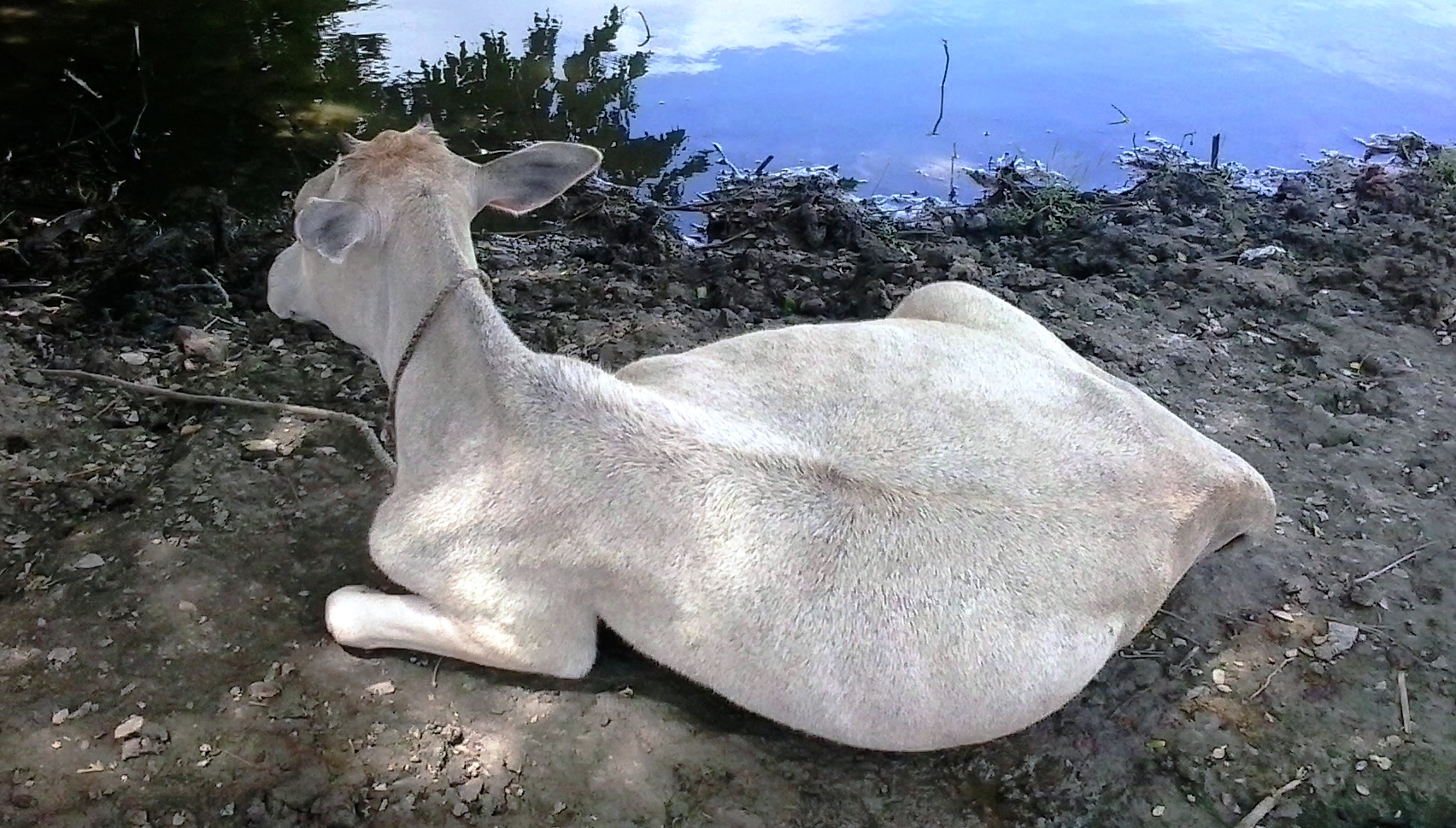
The pure white native cattle of Mirkadim in Munshiganj are close to disappearing. The district livestock office's latest count found about 200 Mirkadim animals in the district, bulls, cows and calves together. The Central Cattle Breeding and Dairy Farm at Savar keeps 84 and the Bangladesh Livestock Research Institute (BLRI) another 61, which puts the number of uncrossed Mirkadim cattle at fewer than 500.
Locally the animal is called dhabal or hasa for its white coat, and some call it Munshiganj cattle. Scientists at the National Institute of Biotechnology (NIB) have sequenced the full genome of the breed, which is about two centuries old. Almost every household in Mirkadim once kept it, and buyers from Old Dhaka sought it out at Eid ul-Adha for meat known for its taste, tenderness and low fat.
Residents say the oil and rice mills of the area once sold oil cake, bran, broken rice and husk cheaply, which made fattening cattle easy. Feed is now dearer, and many family members have gone abroad or changed jobs. People in the sector say the breed gives less meat and especially less milk than crossbred and foreign cattle, so commercial farmers have lost interest.
According to the Department of Livestock Services, Mirkadim cattle can be raised on local grass, straw and grain, eat comparatively little and adapt easily to a hot, humid climate. They also resist worms and other parasites better than other breeds. People in the sector say that if purity and numbers can be secured, the meat could be marketed as premium beef.
Munshiganj district livestock officer MA Jalil said the breed is hardly found outside the district and is now endangered. His office supplies semen from the central breeding farm to farmers, has begun supporting 25 farmers with calf production and vaccination, and plans a special programme on the breed during the coming livestock week.
The director of the Savar farm, Md Shahidul Islam, told Bonik Barta that research there aims to raise the breed's productivity and keep it pure. Dr Shakila Faruque, acting director general of BLRI, said most cattle in the field are now crossbred, so the institute buys pure animals when it finds them for research and supplies semen to farmers. A project solely to conserve the Mirkadim breed has been approved and will start once a project director is appointed.
The report is by Krishi Shomoy's Munshiganj correspondent.
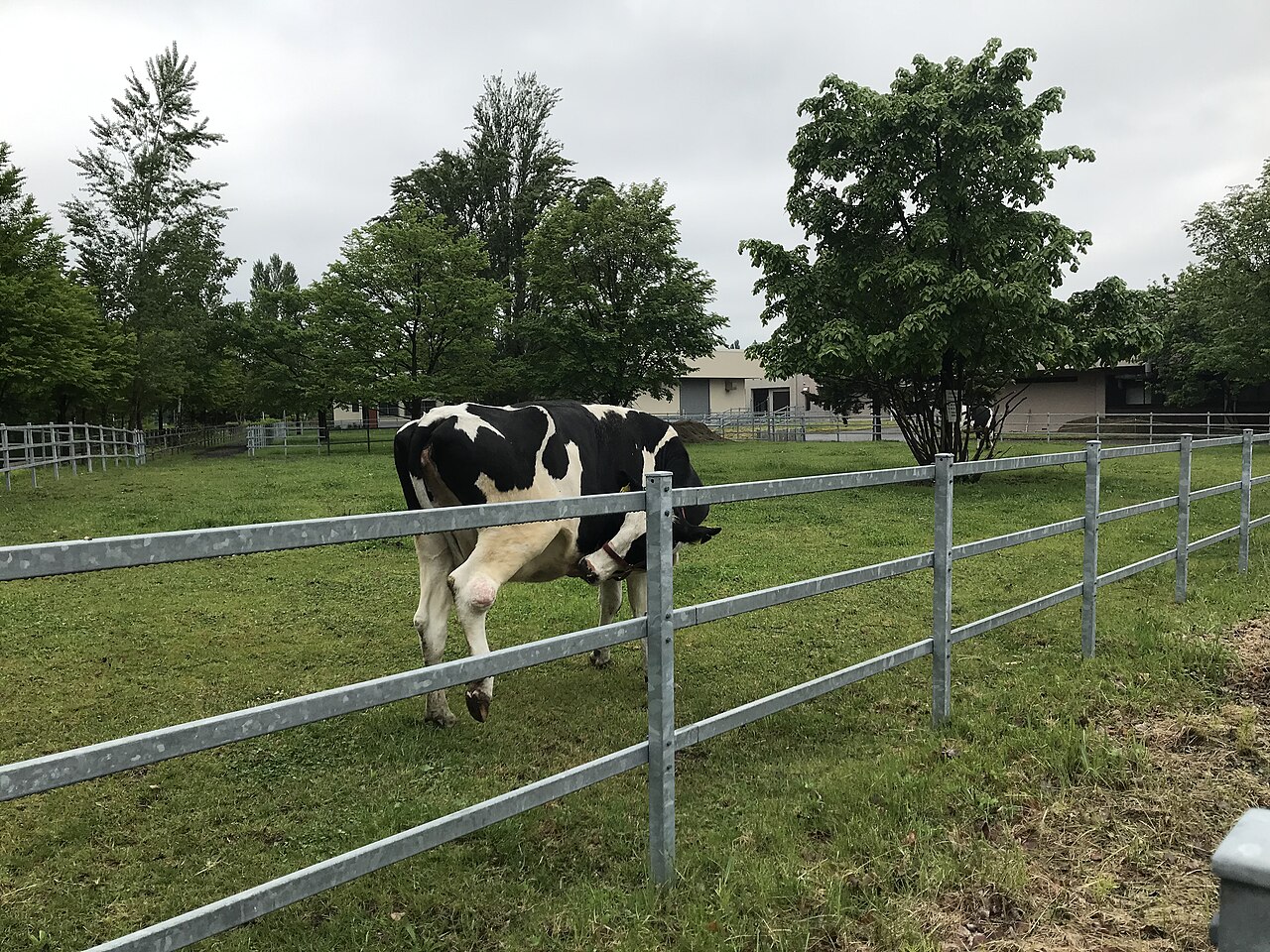
Photo: Ferdous / Wikimedia Commons (CC BY-SA 4.0)
Source: Krishi Shomoy
Comments
(0)