
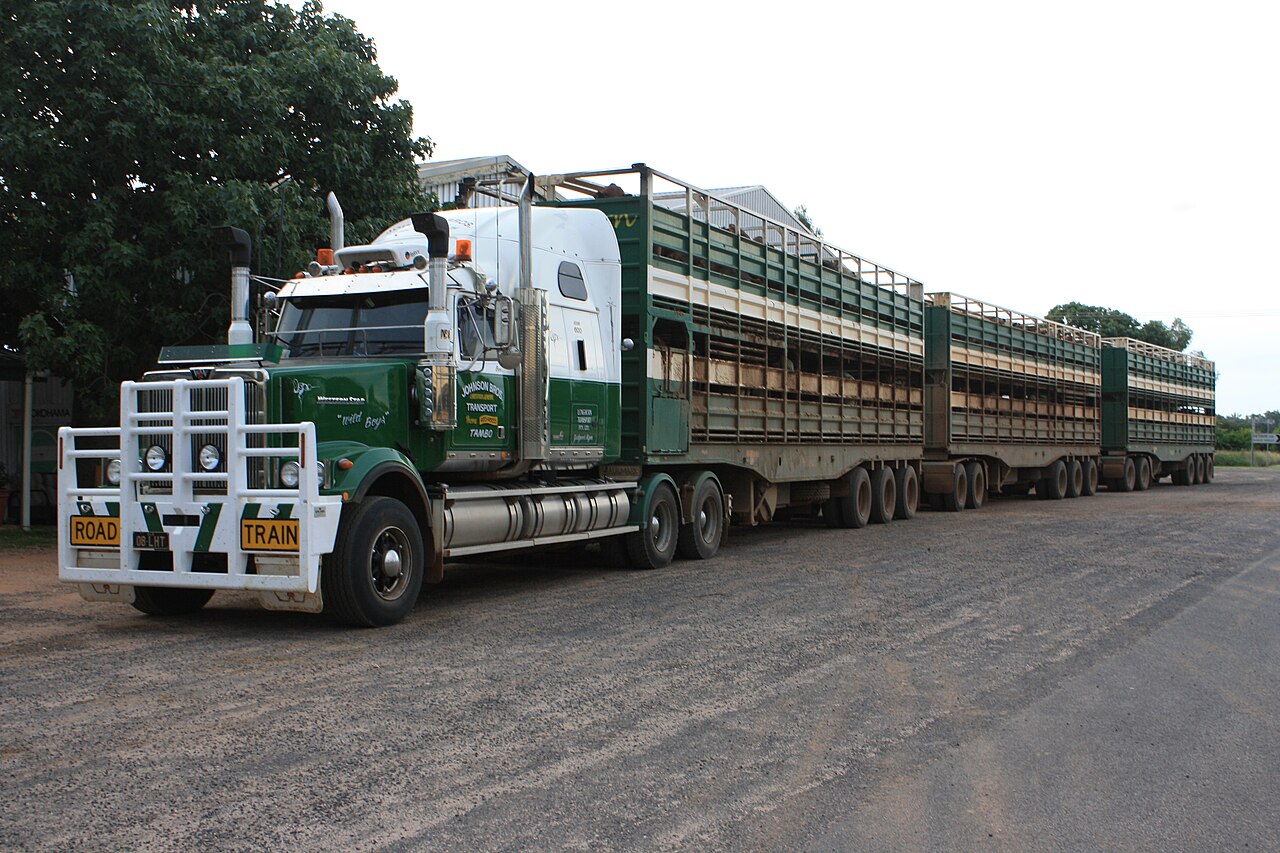
A new Meat Standards Australia (MSA) transport pathway will let more grassfed cattle from remote regions be graded under the eating-quality system, with eligible cattle remaining MSA-compliant after journeys of up to five days.
The long-duration road and rail pathway rests on research funded by Meat & Livestock Australia (MLA), which found cattle can travel for up to 120 hours from property dispatch to slaughter without harming eating quality. Processor Teys Australia took part: 920 cattle were moved by road and rail, and more than 4,000 beef samples were assessed by over 6,000 consumers. Neither distance nor transport method affected eating quality, provided the cattle were properly managed.
The pathway covers cattle more than 48 hours from property to slaughter, up to a 120-hour limit. Time on a truck or train cannot exceed 84 hours, there can be no more than three load or unload events, including cross-loading, and at every stop longer than two hours cattle must get good-quality hay or dry feed and water — before the journey as well as on the way. At the abattoir, cattle must always have water in lairage and must be fed once there more than four hours.
"For a long time there's been a group of producers unable to access MSA grading simply because of where they live," Ethan Mooney of Teys Australia told The Week in Beef, naming the north, the west and Central Australia. Grading gives them access to premiums and, he said, closes the feedback loop on whether genetics or finishing decisions made years earlier have worked.
Other MSA rules are unchanged: producers must register before cattle leave, cattle must travel with MSA vendor declarations, live on the dispatch property for at least 30 days, not be mixed in transport, and exclude entire males. Mooney stressed preparation still matters, including a rising plane of nutrition for 30 days before slaughter and managing cattle as one mob for at least 14 days before dispatch.
The report was written by Lydia Burton.
Photo: Troykeith85 / Wikimedia Commons (CC BY-SA 3.0)
Source: Beef Central
Comments
(0)