
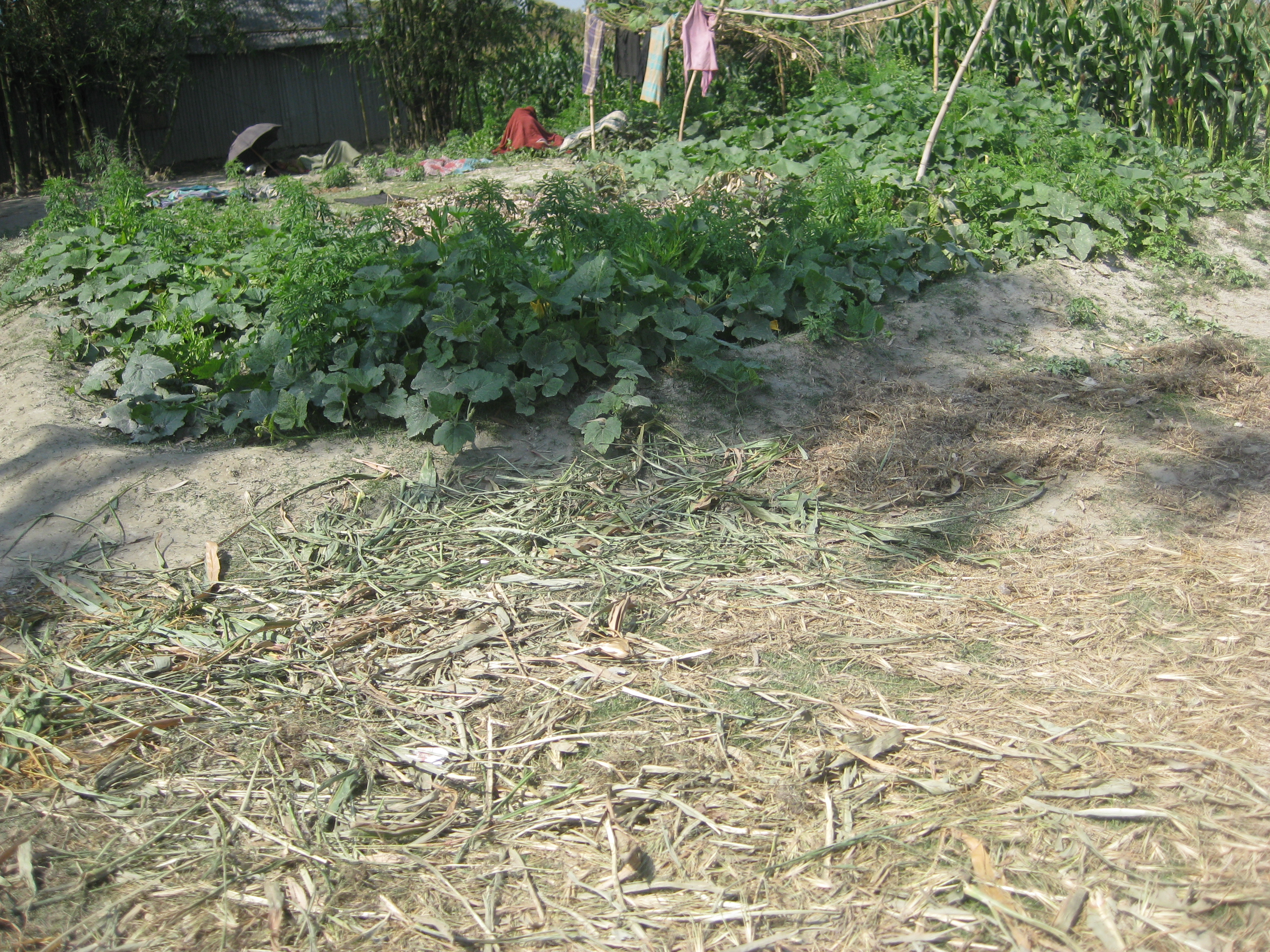
In June 2025, Jagonews24 published a short guide to growing vegetables in the rainy season. Its message was that the monsoon harvest is largely decided before the first seed goes in: the land has to be prepared so that rainwater does not stand on it, the soil has to be ploughed loose and crumbly, beds have to be shaped to suit the crop of the season, and the seed has to be good. The guide also advised controlling pests on the advice of an agriculture officer or by natural means such as neem oil, giving the land only as much water as it needs and draining any excess, and covering the soil with mulch. This report keeps those points and adds the detail that the Bangladesh Agricultural Research Institute (BARI) and the Department of Agricultural Extension (DAE) had published on each of them by that time, drawn mainly from the tenth edition of BARI's Krishi Projukti Hatboi (Handbook on Agro-Technology), dated December 2024.
Why the rainy season is hard on vegetables
Bangladesh's monsoon is long and wet. Banglapedia, the national encyclopedia, describes a rainy season that lasts from June through October, with relative humidity above 80 per cent everywhere from June through September. Annual rainfall ranges from about 150 cm in the west-central part of the country to more than 400 cm in the north-east and south-east. The monsoon months bring about 70 per cent of the year's rain in the east, 80 per cent in the south-west and slightly over 85 per cent in the north-west, and average July temperatures run from about 27°C in the south-east to 29°C in the north-west.
Those conditions suit some crops and punish others. Banglapedia's entry on vegetables names pumpkin, bitter gourd, teasle gourd, ribbed gourd, ash gourd, okra, yard-long bean and Indian spinach as the main summer vegetables, with brinjal, pumpkin, okra and red amaranth grown in both seasons, and it states that summer vegetable cultivation is constrained by adverse climate and pest attacks. A 2017 paper by horticulturists at Sylhet Agricultural University, published in the university's journal, made the same point: vegetables are scarce in summer because of agro-ecological constraints, and excessive rainfall and windstorms during the monsoon damage the crops.
Earlier newspaper reports show what that means in the field. In June 2015, The Daily Star reported, citing the DAE, that farmers had planted summer vegetables on 2.97 lakh hectares that year, against 2.94 lakh hectares the year before, and that heavy rain had inundated 5,009 hectares of vegetables in seven districts including Cox's Bazar, Chittagong, Barisal and Patuakhali. A DAE official told the paper that prolonged rain spoils new plants and that waterlogging can kill mature ones. The same report said summer vegetables made up about 30 per cent of the country's vegetable output, which was then over 1.3 crore tonnes a year.
Land that sheds water: choosing and preparing the field
The guide's first rule was to choose land and prepare it so that water does not collect, because standing water can rot roots and cause heavy losses. BARI's handbook makes the same point crop by crop. For okra it advises choosing high land that has both irrigation and drainage, ploughing and laddering five or six times, and making beds one metre wide and 15-20 cm high, with a 30 cm drain between neighbouring beds. For tomato it says plainly that the plant cannot tolerate waterlogging, and asks for drains 30-40 cm wide, with the land sloping slightly to one side so that irrigation water or rain runs off quickly.
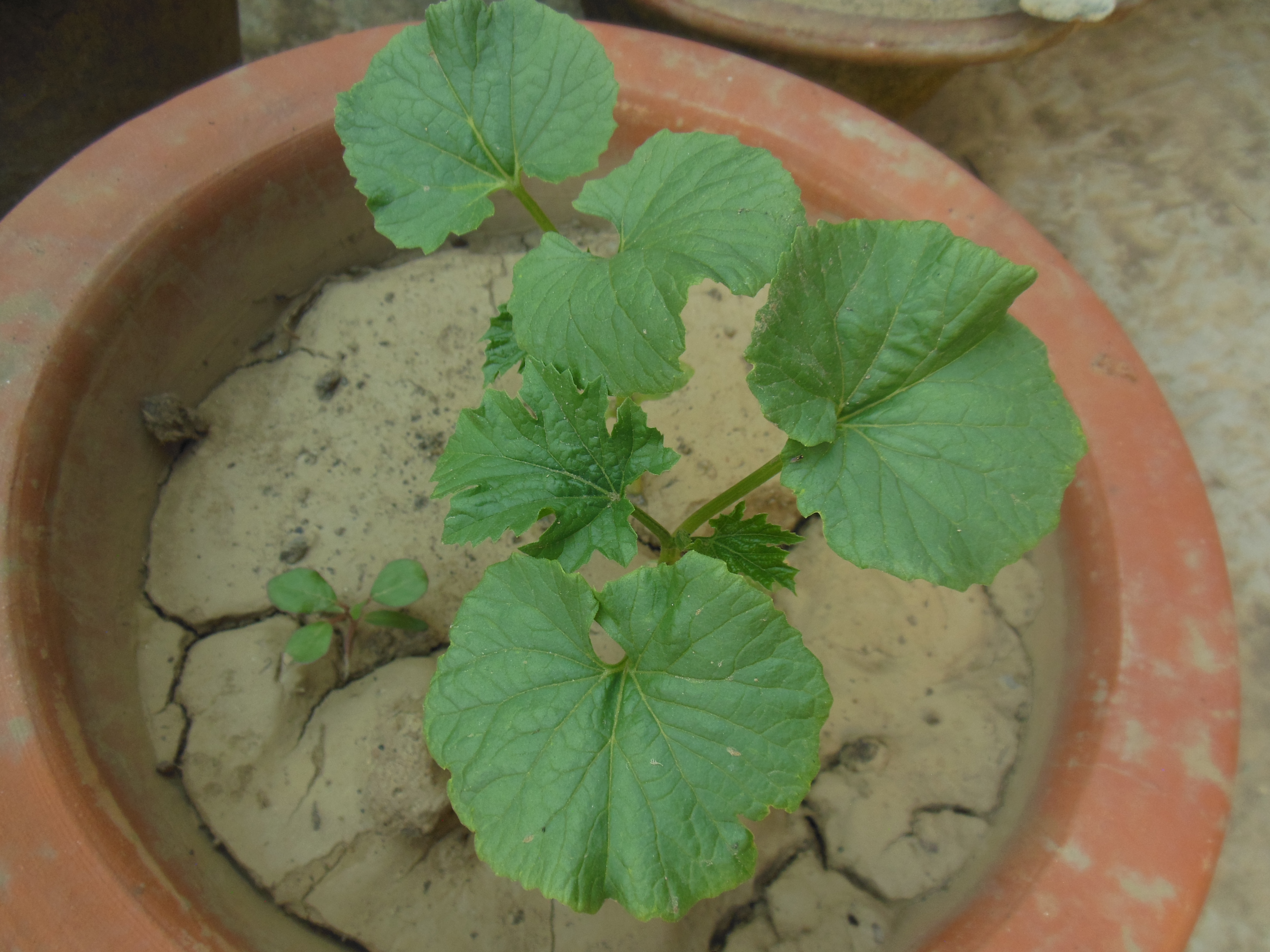
Ploughing the soil until it is loose and crumbly, as the guide advised, is also the handbook's starting point: four to five ploughings with laddering for tomato, five to six for okra and four to six deep ploughings for Indian spinach. For pumpkin and the other vine crops BARI describes a wider layout. The beds are 15-20 cm high and 2.5 metres wide, separated by irrigation-and-drainage channels 60 cm wide. Planting pits (mada), 50-55 cm across and 50-55 cm deep, are dug two metres apart in a single row along one side of each bed, leaving the other side free for the vines to spread.
Wet soil also breeds seedling disease. BARI's plant pathologists describe damping-off of tomato and brinjal seedlings, in which the young plant turns pale green, a brown water-soaked patch appears on the stem at soil level, the base rots and the seedling dies. The handbook names soil-borne fungi of the genera Phytophthora, Pythium, Fusarium, Rhizoctonia and Sclerotium as the cause. Its advice for a healthy seedbed starts with thorough tillage, leaving the ploughed bed in strong sun for five days, then sterilising the soil by spreading a layer of dry sawdust about 6 cm thick over it and burning it. It also recommends disease-resistant varieties such as BARI Tomato-16 and BARI Tomato-17.
Which vegetables suit the monsoon, and BARI's varieties
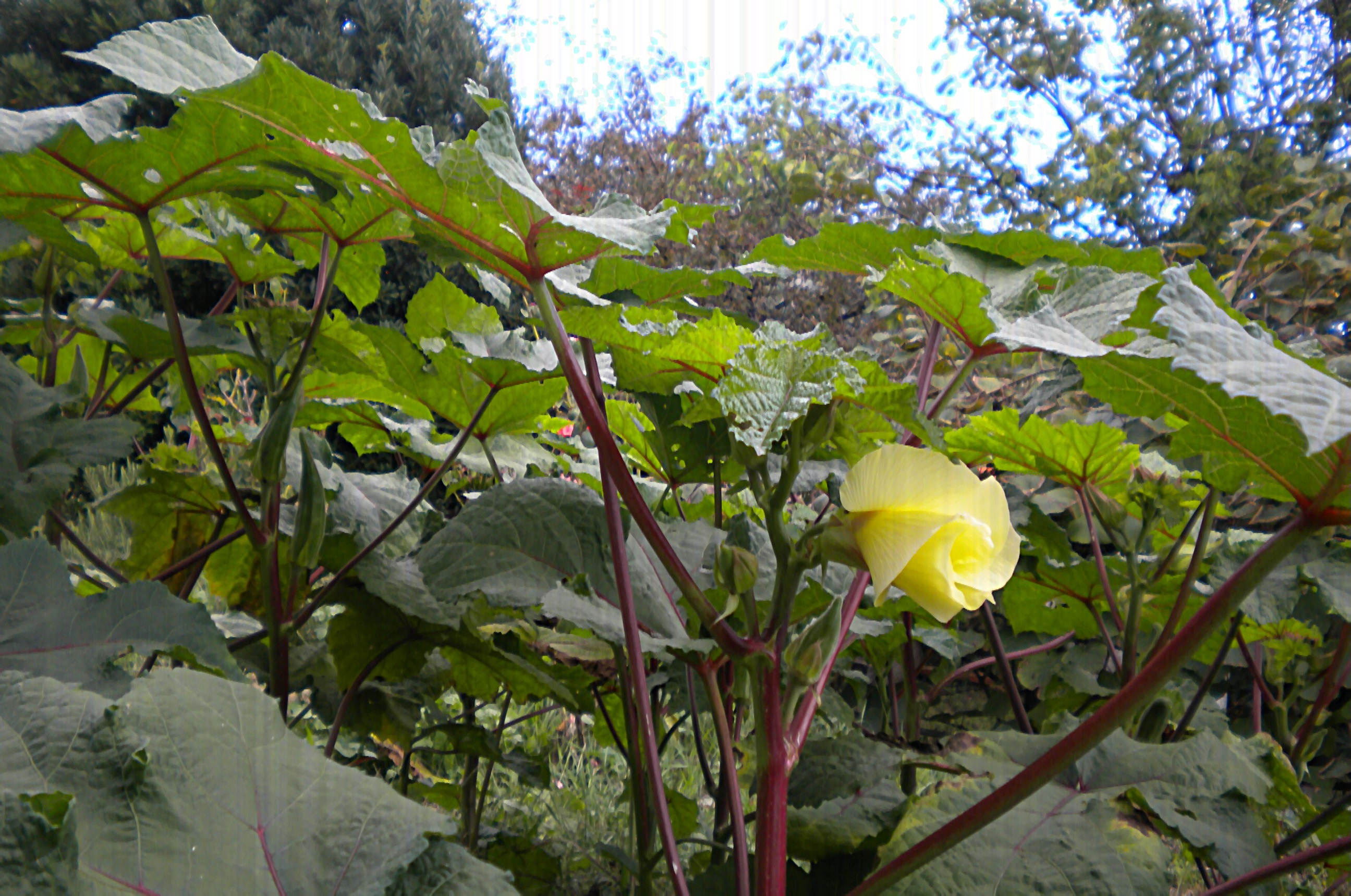
Okra is a natural kharif crop. BARI's handbook says it needs relatively high temperatures, grows in both dry and humid conditions and is mostly cultivated in the kharif season, best on well-drained loam; in Bangladesh it is sown from February to July. The handbook puts the country's okra cultivation at 12.56 thousand hectares, producing 96 thousand tonnes. BARI Dherosh-1, approved in 1996, grows 2.0-2.5 metres tall, bears 25-30 fruits a plant and yields 14-16 tonnes a hectare under improved management. BARI Dherosh-2 is an early variety that first flowers in 40-42 days and averages 17-21 tonnes a hectare.
For the main season, from Baishakh (after 15 April), BARI advises sowing two rows on each one-metre bed at a spacing of 60 by 40 cm, two seeds to a spot at a depth of 2-3 cm, after soaking the seed in water for 24 hours, and then thinning to one healthy plant a week after the seedlings come up. Its fertiliser schedule for a hectare of okra is 10 tonnes of cow dung or compost and 100 kg of TSP at final land preparation, plus 150 kg each of urea and MoP, of which 75 kg is applied at final preparation and 25 kg in each of three top-dressings 30, 50 and 80 days after sowing.
Stem amaranth (data) can be grown in both the rabi and the kharif season. BARI says it suits a warm, humid climate, grows best at 20-30°C in full light, and does best in deep, fertile soil that drains well but stays moist. February to June is the sowing window, or all year where irrigation is available. The handbook puts the country's data cultivation at 11.32 thousand hectares and production at 91.09 thousand tonnes. BARI Data-4 can be grown all year round and is harvested as a leafy vegetable 30-50 days after sowing or as stems at 43-70 days.
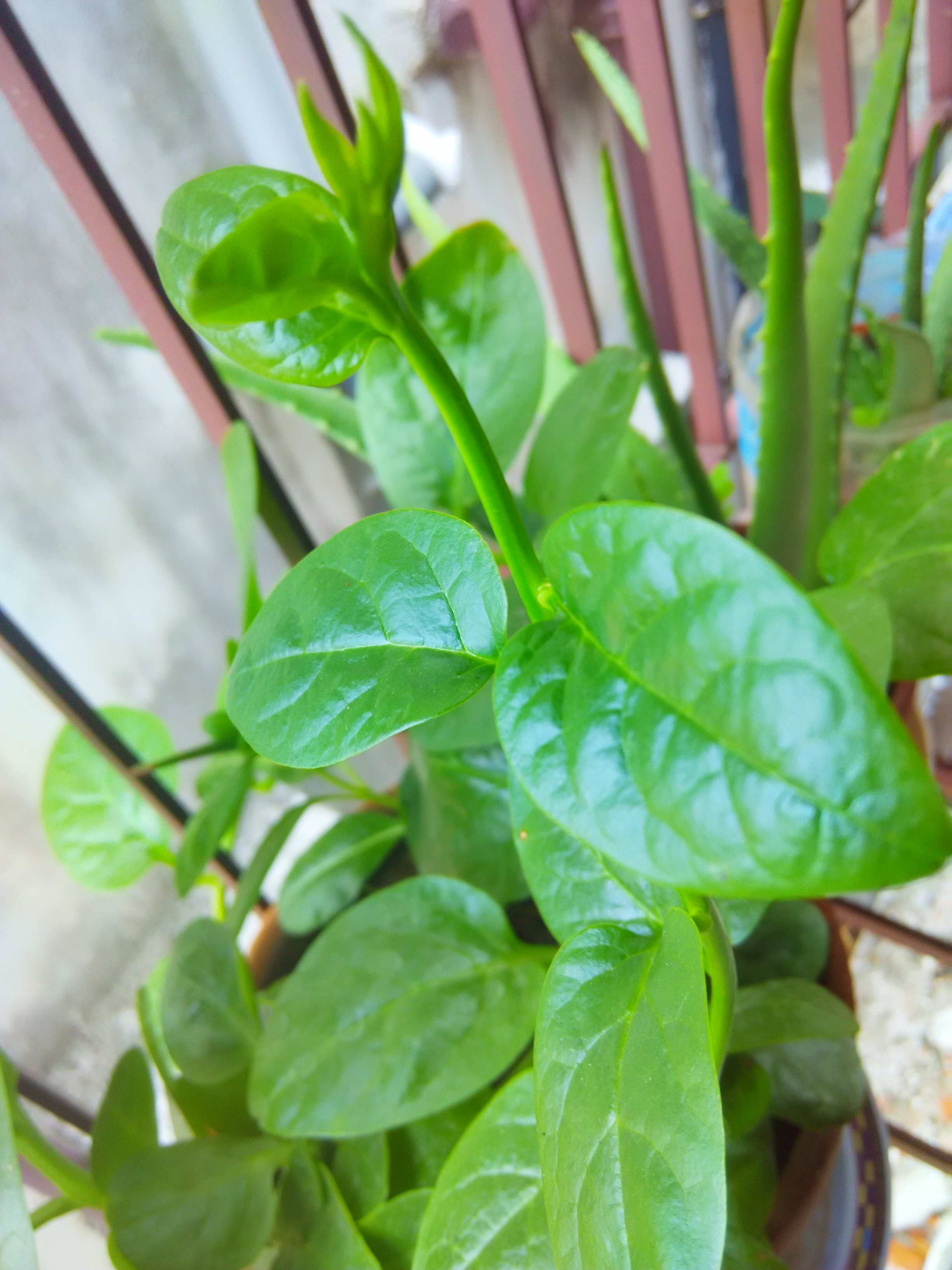
Indian spinach (puishak) is the homestead favourite of the rainy months. BARI says it can be grown at any time of year except in severe cold, with March and April the best time to sow seed or plant seedlings, after which it can be picked for seven to eight months; its leafy growth needs a warm, humid climate, and it flowers only after it has felt the cold, so flowers usually appear in November and December. BARI Puishak-1 (Chitra) and BARI Puishak-2 were approved by the National Seed Board in 1999 and 2005 and recommended for cultivation across the country.
The gourd family is the backbone of the season. BARI counts about 16 cucurbit vegetables in Bangladesh and notes that some of them can be grown at any time of year; the main ones are bottle gourd, sweet gourd (pumpkin), snake gourd, sponge gourd, ridge gourd, bitter gourd, ash gourd, pointed gourd and squash. Among the bitter gourds, BARI Karola-1 yields an average of 24-27 tonnes a hectare, while BARI Hybrid Karola-2, released in 2019, is tolerant of virus and of cucurbit powdery mildew, can be grown all year round and yields about 35-37 tonnes a hectare under improved management.
Tomato is a winter crop in Bangladesh, but BARI has bred hybrids for the summer and rainy season. BARI Hybrid Tomato-4 bears about 30 medium, round red fruits of around 50 g on each plant, about 1.5 kg a plant, needs no artificial hormone to set fruit in summer and yields 40 tonnes a hectare; it can be sown at any time from Jyoishtho to Bhadro and is grown under polythene shades to protect it from heavy rain. BARI Hybrid Tomato-8 sets flowers and fruit at high temperatures. BARI Hybrid Tomato-10, released in 2017, and BARI Hybrid Tomato-11, released in 2018, yield about 48-51 and 48-50 tonnes a hectare in summer. For summer cultivation the handbook gives April to June as the sowing time, and it notes that tomato prices are high in the rainy season, which makes these varieties profitable.
Field trials explain why these hybrids matter. The Sylhet Agricultural University study, which grew five hybrids under polythene tunnels from May to October 2014, notes that fruit set in tomato is hindered above 26°C by day and 20°C by night, and that poor fruit set and bacterial wilt are the main problems of rainy-season tomato. In that trial BARI Hybrid Tomato-4 gave the highest yield, 0.97 kg a plant, and the authors concluded that summer tomato had a bright prospect in the Sylhet region.
Polythene shades, trellises and other structures
Rain falling straight on a tomato crop is what BARI's polythene shade is designed to stop. For seedlings planted in the full monsoon, the handbook advises covering the beds with clear polythene bent into the shape of a boat's roof. One shade can run lengthwise over two beds that together measure 230 cm across, including a 30 cm drain in the middle. The shade stands 135 cm (4.5 feet) high at the sides and 180 cm (6 feet) in the middle, and a drain at least 50 cm wide is left between two shades to carry away the water running off the plastic and to give room for work. The length depends on the shape of the plot, but the width should be 2.3 metres, the widest polythene sold in the market; if each shade is 20 metres long, about 170 are needed for a hectare.
Vine crops need to be lifted off the wet ground. For snake gourd, BARI says that staking is the main care: when the seedlings are 20-25 cm tall, a trellis (macha) 1.0-1.5 metres high should be built, because staked plants give more fruit of better quality. Branches that grow from the base of the plant should be cut off, which keeps the base clean and reduces disease and pests. The handbook adds that once the rains begin in June and July the crop needs no more irrigation, and that the beds and drainage channels must always be kept clean so that water leaves the field.
Other care is about getting fruit to set. For pumpkin, BARI advises cutting off with a sharp blade the side shoots on the lower 40-45 cm of the vine. Pollination is done mainly by honeybees, and the handbook suggests placing two or three bee colonies per hectare for more fruit, or pollinating flowers by hand. For snake gourd it says that a shortage of water shows up at every stage, from stunted seedlings to dropping flowers and fruit, which is why drainage and watering have to be balanced even in the rainy season.
Good seed and the rules on hybrid seed
The guide urged growers to choose good seed with strong resistance to pests and diseases, and suggested hybrid seed for the monsoon. BARI's own record shows how much choice there is. In the preface to the December 2024 handbook, the institute said it had developed 677 high-yielding and hybrid varieties of different crops and 673 production technologies, that Bangladesh ranked third in the world in vegetable production, and that stress-tolerant varieties developed by its scientists to cope with heat, drought, salinity, untimely rain and waterlogging had made vegetables available throughout the year.
Hybrid seed comes with a rule that every grower should know. BARI's handbook warns that seed of hybrid varieties must not be kept for use the following year under any circumstances: new seed has to be bought every year, or the yield will not hold. For open-pollinated crops it advises collecting seed only from virus-free plants. It also recommends treating tomato seed before sowing with Vitavax or Autostin at 2 g per kg of seed.
Raising strong seedlings is part of the same job. For Indian spinach, BARI gives a seed rate of 2.0-2.5 kg a hectare for raising seedlings and 3.0-3.5 kg for direct sowing; seedlings can be raised in a seedbed or in polybags and are moved to the main field, or to pits for a trellis crop, at 20-25 days old. The seedbed needs regular watering, and the crust that forms on its surface should be broken, which the handbook says lowers the chance of seedlings dying or falling sick. For pumpkin, BARI suggests raising seedlings in 8 by 10 cm polybags filled with a half-and-half mix of soil and cow dung, and planting them out at 16-17 days.
Pests and diseases: traps and hand methods before spraying
The guide noted that pests are seen most in the rainy season, and advised applying pesticide only on the advice of an agriculture officer, or controlling pests naturally, for example with neem oil. Banglapedia names the main culprits of the season's crops: in okra, the shoot and fruit borer and the jassid, with the whitefly spreading okra vein clearing virus, the most destructive okra disease in Bangladesh; in cucurbits, the melon fruit fly and pumpkin beetles, with powdery mildew, downy mildew, Cercospora leaf spot, mosaic and cottony leak among the diseases.
BARI's handbook describes non-chemical control first. For the fruit fly, whose females lay eggs in young fruit so that the maggots eat the flesh and the fruit rots and drops, it advises clean cultivation, collecting and burying infested and rotten fruit, and using sex pheromone traps together with bait traps; pheromone traps, it notes, are easy to find in pesticide shops. In 2016 BARI's entomology division developed an attract-and-kill method for cucurbit fruit flies that catches females as well as males. A gel of cuelure pheromone mixed with a biopesticide is dabbed on vines or trellis bamboo along the boundary, 2-3 feet above the ground and 10-12 metres apart, and traps with a food bait mixed with a biopesticide are hung inside the field at the same spacing.
Other pests can be handled by hand. For the pumpkin beetle, whose adults eat holes in seedling leaves and whose grubs damage roots, BARI advises catching and killing the adults and covering seedlings with mosquito netting for 20-25 days. For aphids it advises crushing them by hand on infested leaves and shoots, and spraying a neem-seed solution, made by soaking half-crushed neem seed in water for 12 hours, or soapy water with two teaspoons of soap powder in ten litres of water. Ladybird beetles and the larvae of syrphid flies eat aphids, so protecting these friendly insects keeps the pest down.
Rain helps some diseases spread. For anthracnose, which causes round spots and leaf rot in rain, BARI advises using healthy, disease-free seed and not watering the plants with a sprinkler. For powdery mildew it advises collecting and burning infected leaves and plants. Mosaic virus, which causes yellow patches and curled leaves, cannot be cured, and the handbook's advice is to destroy affected plants as soon as they are seen.
When spraying cannot be avoided, BARI explains why chemicals should not be the only answer: overuse of toxic insecticides creates serious environmental and health problems and makes pests resistant, which is why its scientists developed integrated pest management. The institute has also fixed waiting periods between the last spray and harvest for some common insecticides on vegetables: for dimethoate, 7 days for brinjal and 8 days for beans and cabbage; for quinalphos, 4 days for tomato and 7 days for beans; for fenitrothion, 6 days for tomato and 7 days for red amaranth. The choice of product and dose is best left to the upazila agriculture officer, as the guide advised.
Water, drainage and mulch
Rain does not end the need for water management; it changes it. The guide advised giving the land only as much water as it needs and draining any excess. BARI's handbook says that water spinach (gima kalmi) usually needs no irrigation in the rainy season, but should be watered every 10-15 days if rain stops for a long spell. For pumpkin, a crop it describes as very sensitive to water, it advises never flooding the whole field: water should be run into the irrigation channels and held there so that the plants draw it up. Tomato seedlings need light watering for the first three or four days after transplanting.
Mulching was the guide's last recommendation, and BARI defines it broadly: covering the soil with straw, sawdust or dry leaves, or breaking the crust that forms after irrigation, to conserve soil moisture. In its section on garlic the handbook says mulch reduces evaporation, conserves moisture and helps control weeds, so that less irrigation is needed; in its section on turmeric it notes that the leaves or straw used as mulch later rot and add organic manure to the soil. For vine crops such as pumpkin and snake gourd, it advises a light mulch after each irrigation, breaking the crust around the base of the plant so that air can reach the roots.
When floods come: DAE advice and floating beds
Heavy rain can turn into flooding, and the DAE issues advice for that. A special agromet advisory for possible flooding, issued by the DAE's Agro-Meteorological Information Systems Development Project on 21 August 2024 on the basis of a Bangladesh Water Development Board forecast, told farmers to:
- harvest mature vegetables quickly before the flood arrives;
- keep drains clean so that water does not accumulate in the field;
- raise the bunds around the land and arrange to remove excess water from cropland;
- avoid irrigation, fertiliser and pesticide while the threat lasts;
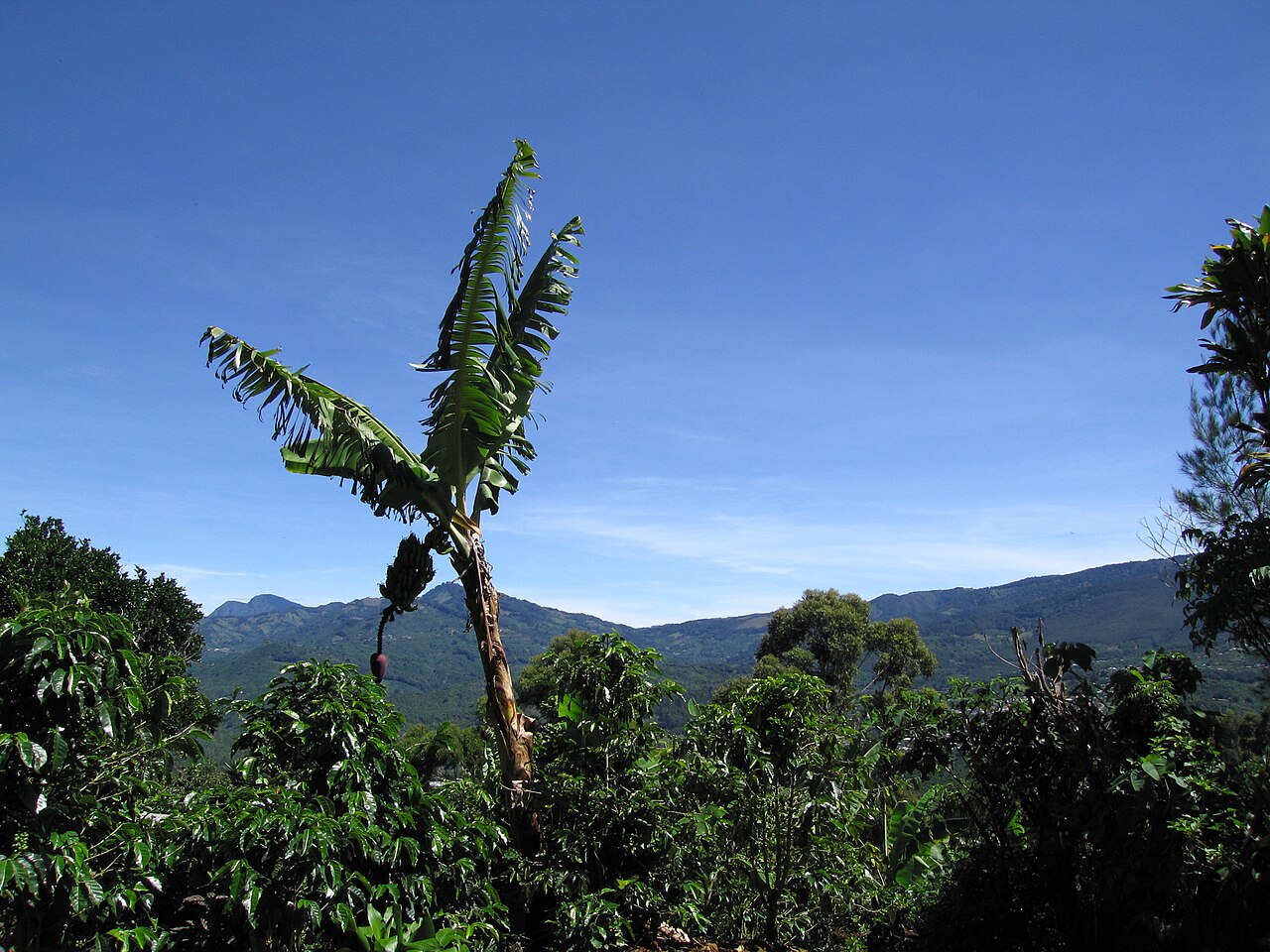
- give bananas, other horticultural crops and vegetables the support of poles.
In the lowest parts of the country farmers have gone a step further and grown vegetables on the water itself. The Food and Agriculture Organization of the United Nations (FAO) recognised the floating gardens of Gopalganj, Pirojpur and Barisal as a Globally Important Agricultural Heritage System in 2015, covering about 2,500 hectares. The floating beds, called dhap, are built from layers of water hyacinth and other plant residues, with bamboo laid on top to keep them stable; seedlings are sown or planted about 8-10 days after the last layer is stacked. In summer they carry vegetables such as okra, ribbed gourd, Indian spinach, brinjal, cucumber, red and stem amaranth, wax gourd and bitter gourd, and two or three crops can be taken in one monsoon season. FAO says local farmers have used the method for nearly two centuries.
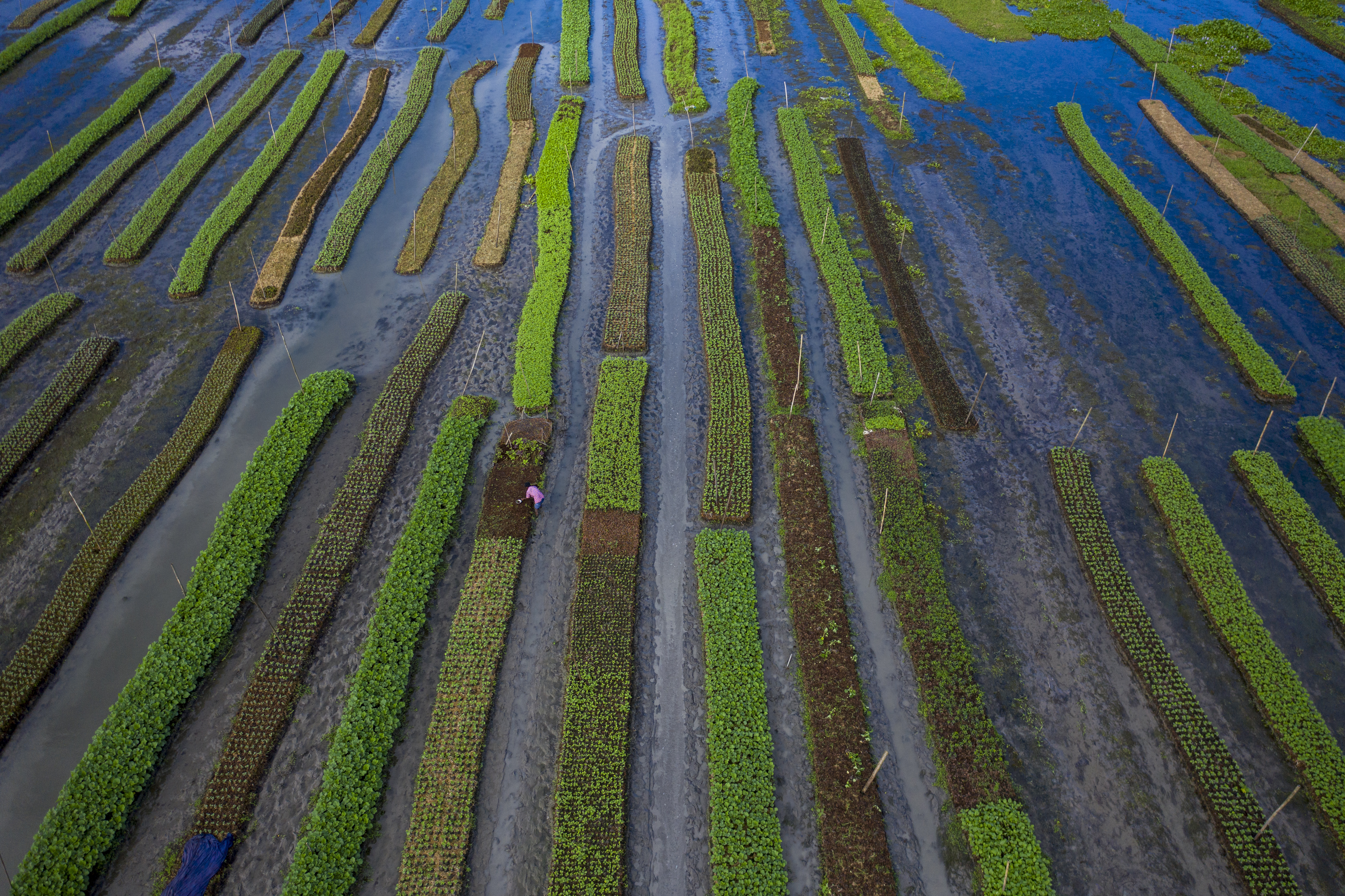
Photo: Ibrahim Husain Meraj / Wikimedia Commons (CC BY-SA 3.0)
Sources: Jagonews24, Bangladesh Agricultural Research Institute (Krishi Projukti Hatboi, 10th edition, December 2024), Department of Agricultural Extension (special agromet advisory, 21 August 2024), Banglapedia, Journal of the Sylhet Agricultural University, The Daily Star, Food and Agriculture Organization of the United Nations (FAO)
Comments
(0)