
In a clinical trial in patients with melanoma, a skin cancer, those who received a personalised mRNA vaccine after surgery to remove their tumour had a 42 percent lower combined risk of the cancer returning or of death within two years than those who did not. Whether patients ultimately live longer is not yet clear, Bangla Tribune reported.
Merck and Moderna have published the full results of the phase 3 trial of the experimental vaccine. They were due to be presented first at the European Society for Medical Oncology congress in Madrid, but were released early after some of the data leaked.
The trial enrolled 1,137 patients. After surgery all received pembrolizumab (Keytruda), an immunotherapy that removes a brake on the immune system so it can recognise and attack cancer cells. About two-thirds, chosen at random, also received nine doses of the vaccine; the rest received a placebo.
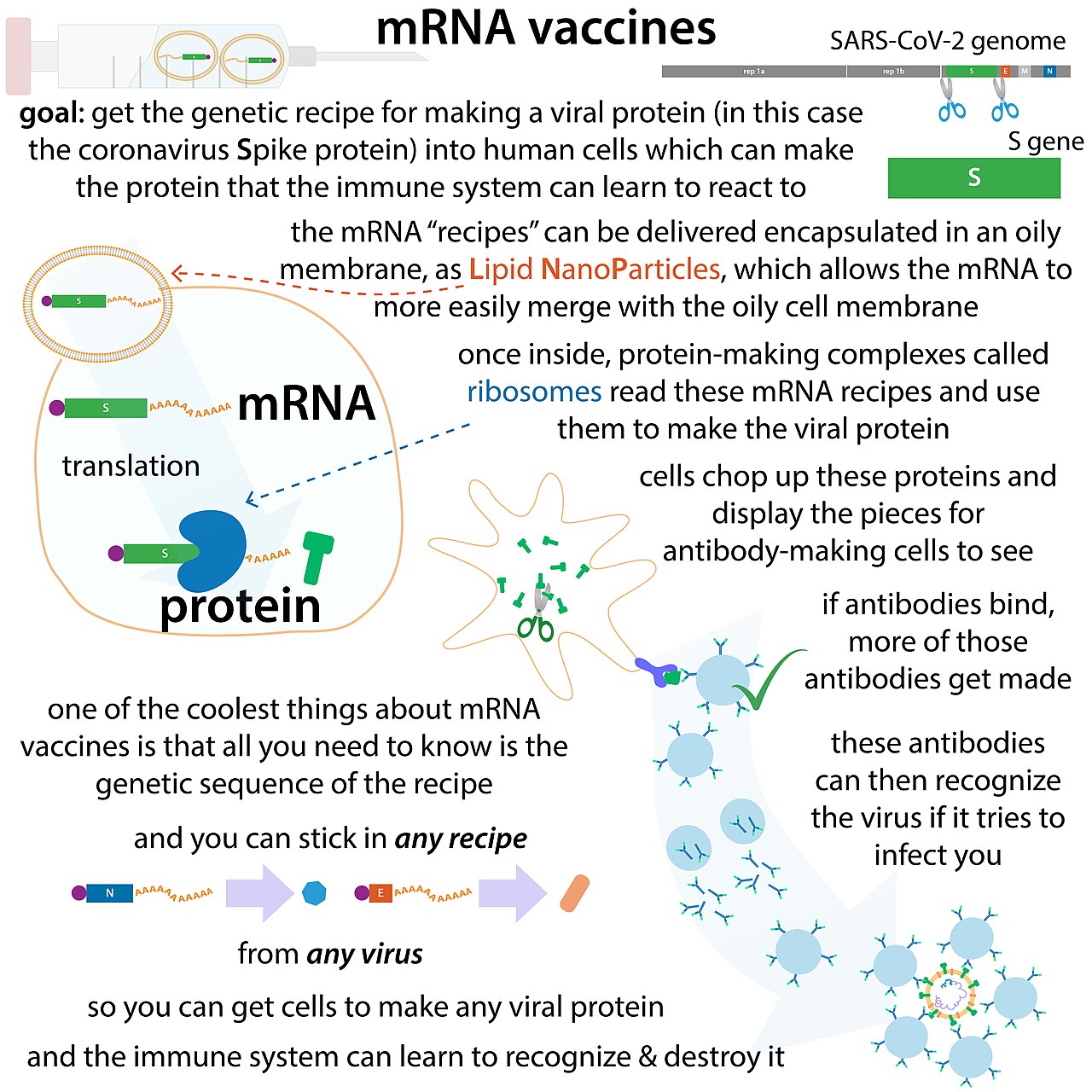
The vaccine is made for each patient from the features of their own tumour, encoding up to 34 'neoantigens', new proteins found in that tumour, so the immune system learns to recognise them and mount a response against the cancer. Dr Marjorie Green, head of oncology clinical development at Merck, said the vaccine in effect trains the immune system to find and destroy cancer, and that the companies plan to apply for regulatory approval as soon as possible.
Dr Robert Vonderheide, president-elect of the American Association for Cancer Research, said everyone is hopeful it could become a new way of treating melanoma.
There are caveats. Neither this trial nor the earlier phase 2 study has shown that the vaccine improves overall survival, one of the key measures of a cancer treatment. Similar vaccines are being tested in pancreatic and brain cancers, but some experts say success in melanoma, which responds relatively well to immunotherapy, may not carry over to other cancers.
Photo: How mRNA vaccines work (infographic), Biochemlife / Wikimedia Commons (CC BY-SA 4.0)
Source: Bangla Tribune

Comments
(0)