
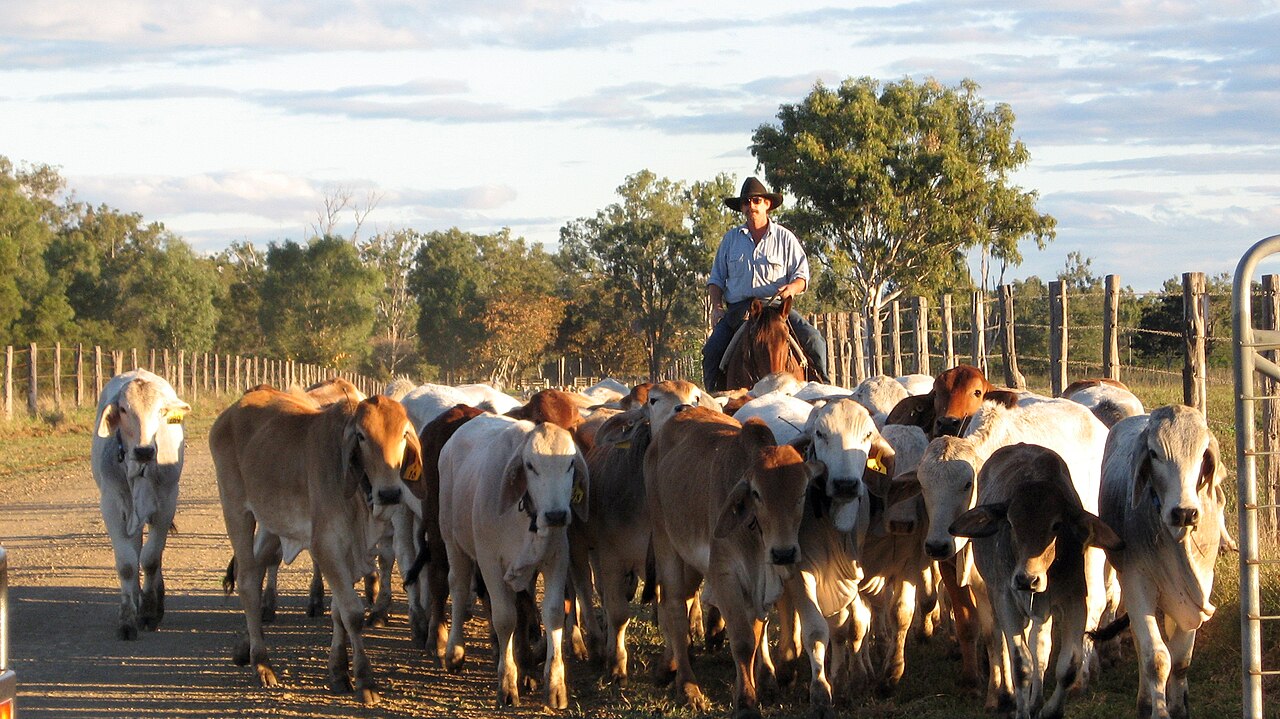
Meat & Livestock Australia (MLA) has published a best practice guide for grassfed producers on preparing cattle for the feedlot, written by Queensland feedlot veterinarian Dr Kev Sullivan and promoted at the BeefEx conference last week.
Liz Pearson, MLA's feedlot project manager, said much research-backed information already existed but not in one practical place. The aim, she said, is cattle that "thrive, not simply arrive", and the guide is also meant for lotfeeders, livestock agents and advisers who work with suppliers.
A feedlot is a hard change for newly arrived cattle: new surroundings, feed and water, transport that can cover long distances, and mixing with animals of different origins and health status. The guide traces most health problems to poor immune status and physical, nutritional, environmental and psychological stress, with age, source, breed, co-mingling, shrink, time off feed and transit time as contributing factors.
Cattle that are yard weaned and well educated start and perform better in their first two months and have fewer health and welfare problems, it says. Stockmanship that builds the animals' confidence with vehicles, pens, bunks, water troughs and handlers helps them adapt.
Transport and time off feed matter a great deal: cattle off feed and water for more than 12 hours face a higher risk of rumen dysfunction. The guide recommends good-quality hay and water before loading, as little time as possible in stockyards before transport, and planning logistics directly with the trucking company and the driver. The report is by Lydia Burton.
Photo: CSIRO / Wikimedia Commons (CC BY 3.0)
Source: Beef Central
Comments
(0)