
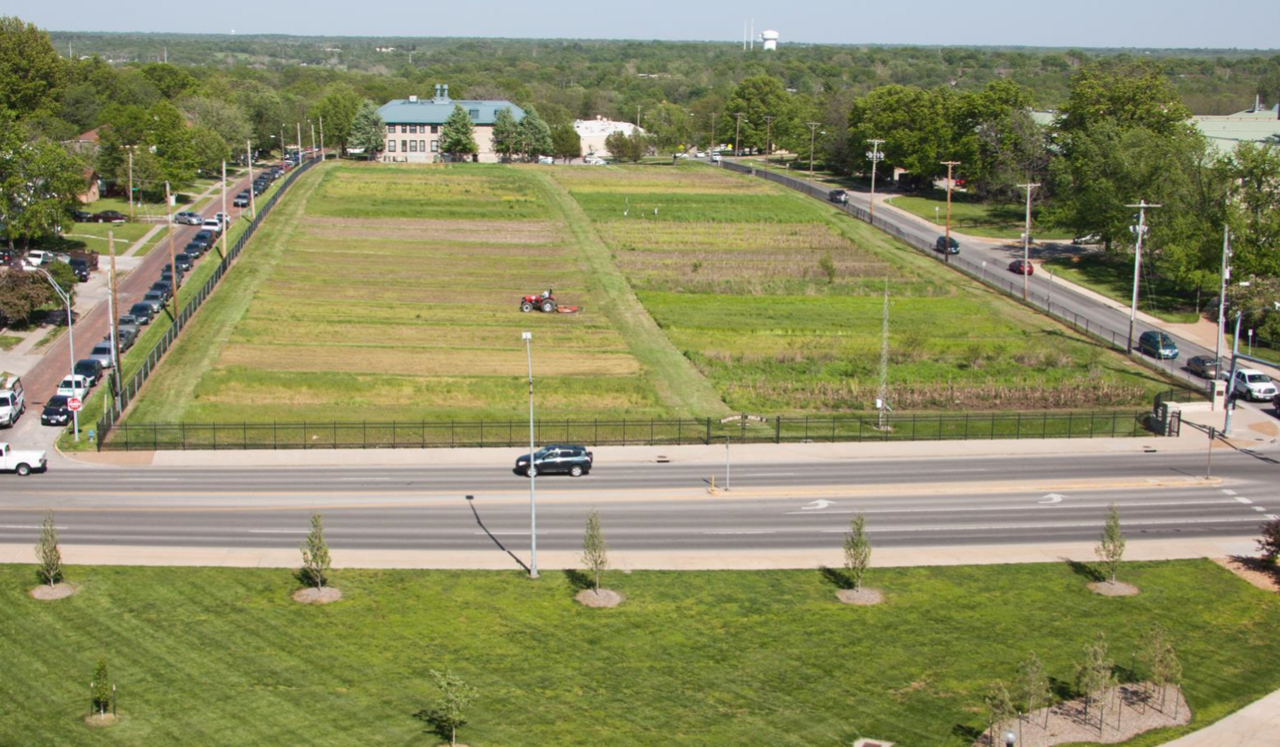
Sulfur levels in the soils of the University of Missouri's Sanborn Field in Columbia have fallen steadily since the 1880s, according to a study led by MU Extension state soil science specialist Gurbir Singh, which points to sulfur deficiency in Missouri cropland.
The researchers analysed soil samples collected at Sanborn Field from 1888 through 2020. Across the whole soil profile, down to 48 inches, average sulfur fell from 807 pounds per acre in 1888 to 232 pounds per acre in 2020, a decline of more than 70 percent.
Singh links the decline to several causes: less sulfur settling out of the atmosphere after clean-air regulations, sulfur removed from the field in harvested crops, sulfur moving deeper into the soil profile, and the widespread use of fertilisers that contain little or no sulfur.
How the land was farmed made a large difference. Rotations of corn, wheat and red clover that received manure kept substantially more sulfur than continuous cropping. In 2020 the corn, wheat and red clover rotation with manure and nitrogen had the highest levels, retaining about 75 percent of its original sulfur, while some continuous wheat plots retained less than 10 percent.
The authors conclude that growers can no longer rely on atmospheric deposits to meet crop needs, and that sulfur has to become a planned part of fertility programmes. They recommend regular soil and plant tissue testing, accounting for the sulfur carried off in harvested crops, and considering sulfur-containing fertilisers or manure where needed, alongside precision application and more attention to crop rotation.
The study includes a long-term projection in which sulfur keeps declining if current trends continue, but the researchers note that future availability will depend on weather, crop management, soil conditions and fertiliser practice.
Sanborn Field, established in late 1888 by J.W. Sanborn to show the value of crop rotation and manure, is the oldest continuous experimental field west of the Mississippi and the third oldest in the world; many of its 38 plots still carry the rotations they had in 1888. The co-authors include Rajinder Kaur, Harpeet Kaur, Kelly Nelson, Gurpreet Kaur, Rasel Parvev and Tim Reinbott. The full report, "Sulfur history and future: Lessons from the 132 years of Sanborn Field", is published by MU Extension.
Photo: Iwtwb8 / Wikimedia Commons (CC BY-SA 3.0)
Source: Morning Ag Clips

Comments
(0)