
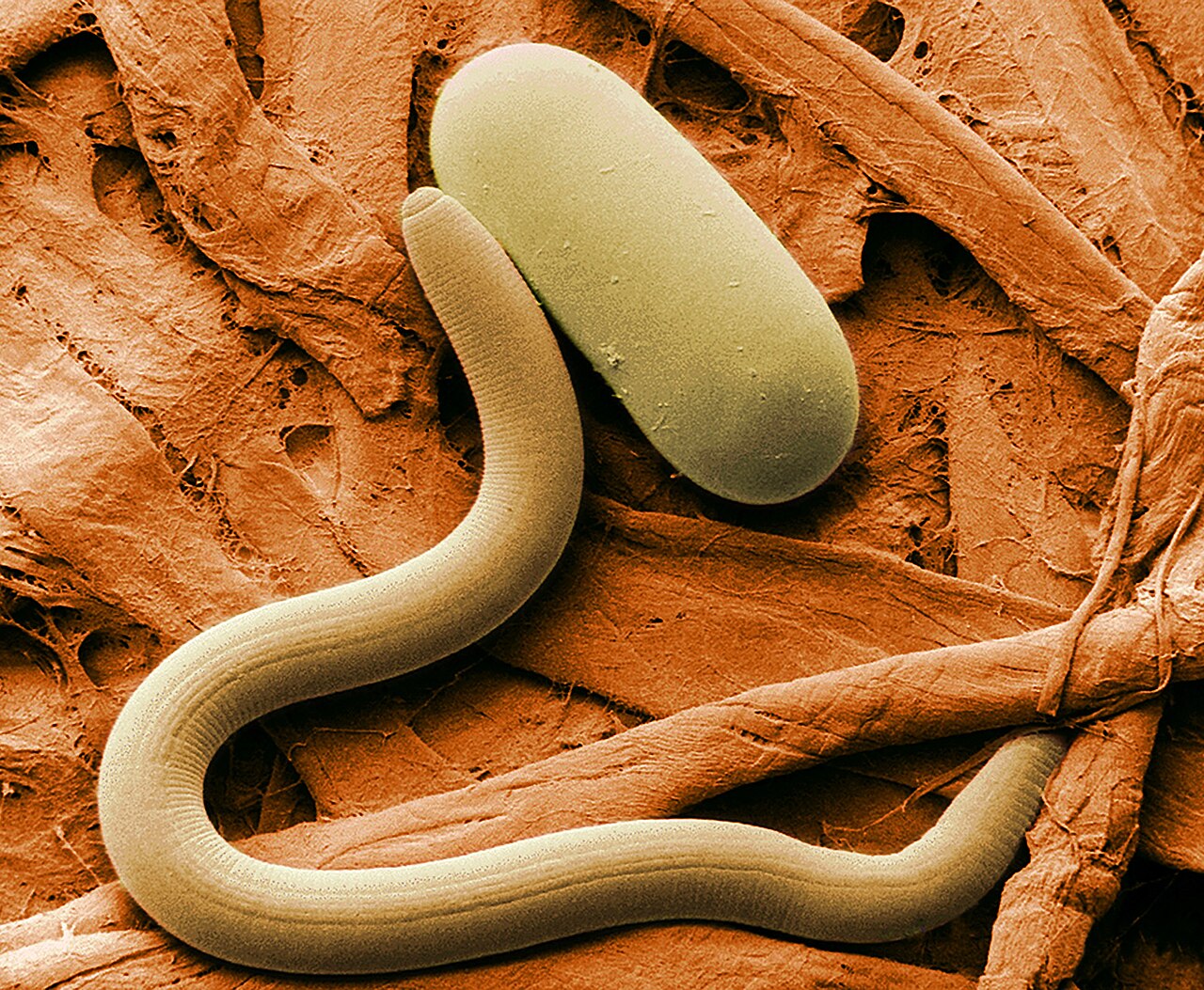
Soybean cyst nematode (SCN) costs Missouri growers up to 9 per cent of yield, and the resistance most of them rely on is wearing out. University of Missouri researchers say they now know which resistance genes, and which versions of them, have to be combined to stop the nematode populations found across the state, and are breeding those combinations into high-yielding varieties.
More than 89 per cent of commercial soybean varieties carry PI88788-type resistance, and many common SCN populations can now reproduce on them. Mandy Bish, MU Extension state plant pathologist, put the yield loss at up to 9 per cent in a recent statewide survey of farmer fields; the pest is reported in 42 states and Canada.
The Northern Missouri Soybean Breeding Program, led by MU professor and soybean breeder Andrew Scaboo, found that one gene, rhg1-a, is essential for resistance but not sufficient on its own. It must be paired with other resistance genes in particular combinations, a gene interaction known as epistasis. "This is not random stacking of the genes," said Mariola Usovsky, research scientist in the programme. "We need to know very precisely which genes we are working with, and which of their alleles work together against SCN populations we are targeting."
The right recipe may differ by field. "Just as the right ingredients and their proportions depend on the dish you are preparing, the most effective combination of management strategies will depend on the specific SCN population present in Missouri fields and beyond," Usovsky said. Using molecular markers, the team identifies lines that carry the desired genes, crosses them with elite high-yielding lines, and backcrosses out the unwanted traits while keeping the resistance.
The work, funded by the soybean checkoff through the United Soybean Board and the Missouri Soybean Merchandising Council, is now in the field: Scaboo's programme has 155 breeding entries in advanced yield trials at nine Missouri locations this year and another 447 in preliminary trials. The goal is to combine SCN resistance with high-oleic and low-linolenic oil profiles and tolerance to the Enlist E3 herbicide system.
A new SCN testing clinic is being built on the MU campus with support from the Missouri Soybean Association. Bish said the current equipment manages about 96 egg counts in 40 hours; the new clinic will do it in three, freeing staff for research and expanding capacity for farmers' samples. Missouri growers can already submit four SCN soil samples a year free of charge, paid for by checkoff funds. Reported by Mindy Ward for Farm Progress.
Photo: Agricultural Research Service, USDA / Wikimedia Commons (Public domain)
Source: Farm Progress



Comments
(0)