
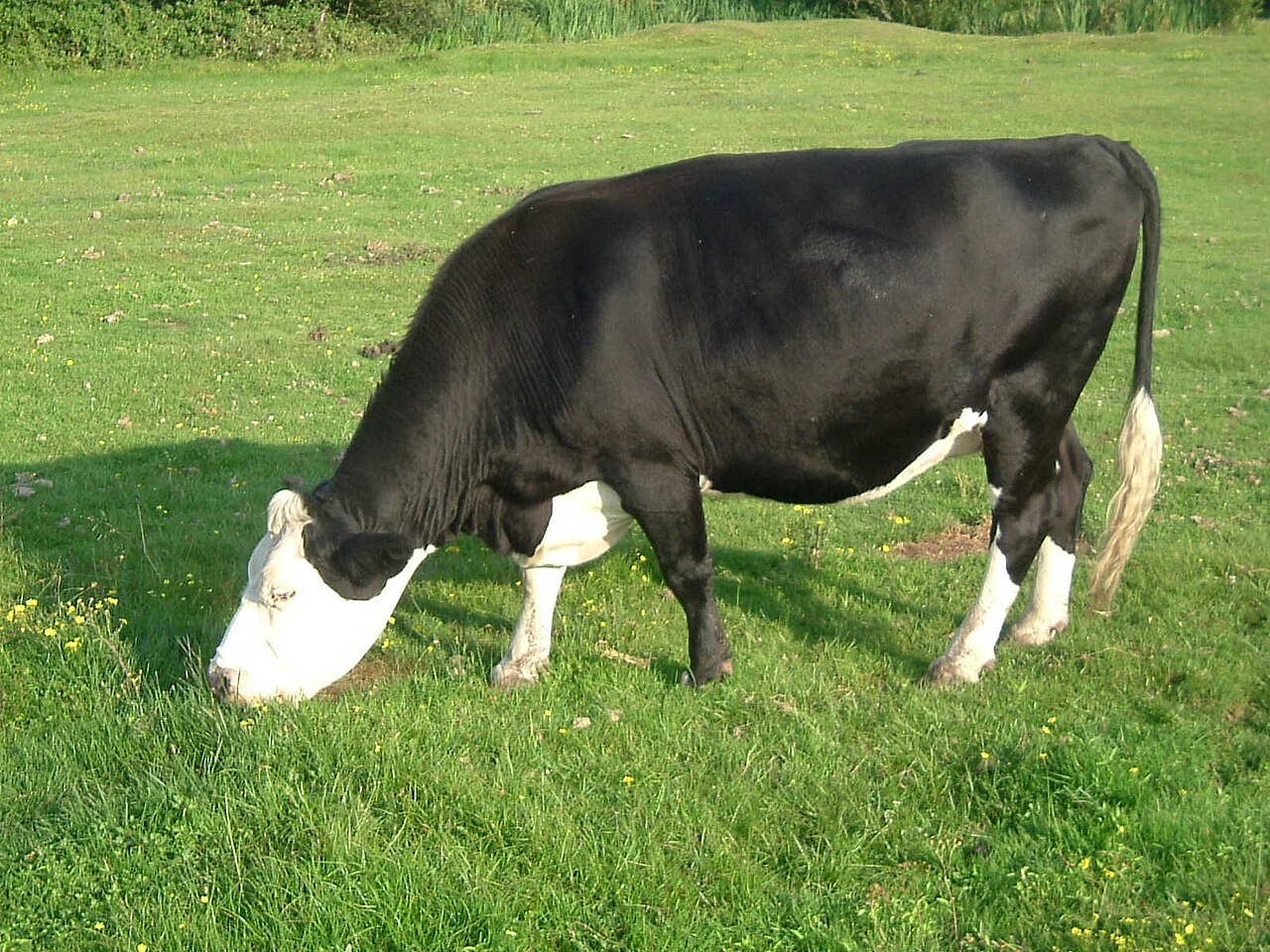
A Hereford heifer on a farm in Brown County, Minnesota, tested positive for rabies on 8 September, the Minnesota Board of Animal Health confirmed, and state health officials have advised nine people who handled it to receive rabies post-exposure prophylaxis (PEP).
The owner noticed the heifer lying flat with its head down on 1 September. Over the next two days the owner and two veterinarians gave it oral medication with bare hands. On 3 September a third veterinarian found it uncoordinated in the hind legs, high-stepping, bellowing, salivating heavily and running a high temperature; it was euthanised and tested. The owner, the owner's daughter, two children, two veterinarians and three veterinary technicians were advised to get PEP or booster shots.
The Board quarantined 13 cows and is keeping more than 40 cattle under observation. A horse and three vaccinated dogs on the property are also being watched, and two unvaccinated barn cats with likely exposure were euthanised. Skunks had been seen earlier in the year on neighbouring land; skunks and bats are Minnesota's natural rabies carriers, and fewer than 15 percent of the state's rabid animals each year are domestic, most often cattle, cats and dogs.
"Given the severity of the disease, it's better to assume an animal is infected until proven otherwise," said Steve Kivisto, the Board's senior veterinarian for rabies. State public health veterinarian Stacy Holzbauer urged gloves and eye protection whenever treating an animal with an unexplained neurological illness, and Kivisto said vaccines for cattle, horses, sheep and pets are readily available and very effective.
Photo: Richard New Forest / Wikimedia Commons (CC BY-SA 3.0)
Source: Farm Progress


Comments
(0)