
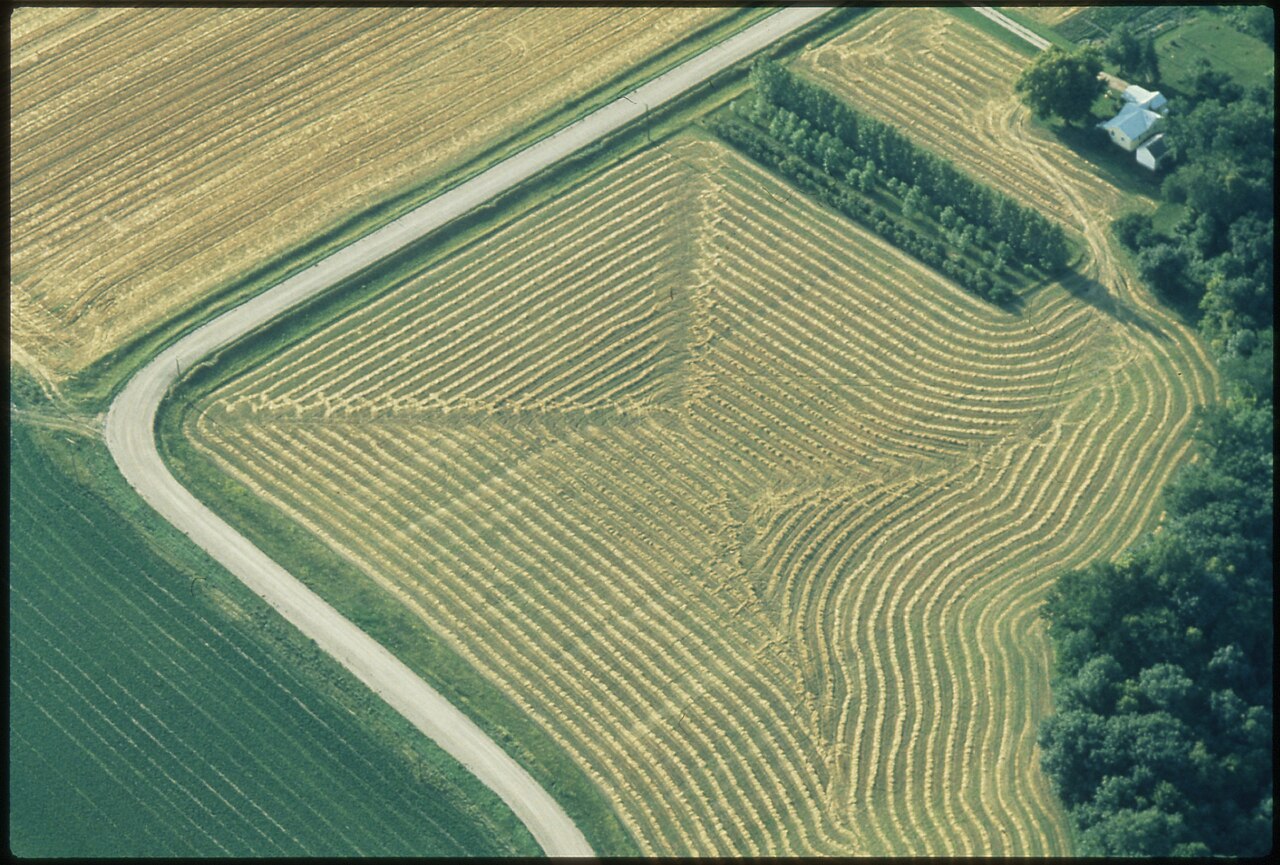
Minnesota's crops looked good for most of the summer, but the state goes into harvest with much of its land in moderate or severe drought and pockets of extreme drought, according to the US Drought Monitor of 27 August, and farmers are being told to document losses and talk to their Farm Service Agency office.
USDA's National Agricultural Statistics Service rated topsoil moisture for the week ending 30 August as 41 per cent short and 17 per cent very short, with 41 per cent adequate and 1 per cent surplus. Subsoil was much the same: 43 per cent short, 17 per cent very short, 38 per cent adequate and 2 per cent surplus.
The corn crop was 95 per cent in dough, 68 per cent dented and 9 per cent mature at that date. Its condition was 46 per cent good and 16 per cent excellent, with 26 per cent fair, 9 per cent poor and 3 per cent very poor. Soybeans were 97 per cent setting pods and 10 per cent dropping leaves, rated 44 per cent good and 13 per cent excellent, 30 per cent fair, 10 per cent poor and 3 per cent very poor.
Pasture is in the worst shape. NASS rated Minnesota pastureland only 13 per cent good and 1 per cent excellent, with 37 per cent fair, 31 per cent poor and 18 per cent very poor, a hard set of numbers for the state's cattle producers heading into autumn.
The writer, Kevin Schulz, cautions against writing the crop off: there have been years when rain shut off during pollination and pod fill, the most critical stages, and yields still surprised, and modern genetics give crops more resilience to stress. Whether this year's crop has that resilience will be known only when the combines run.
The Minnesota Department of Agriculture is working with USDA on disaster declarations for the areas hit hardest, and has drought resources for farmers. Anyone who suspects crop losses is advised to record the damage now and contact their local Farm Service Agency office. Reported by Kevin Schulz for Farm Progress.
Photo: Flip Schulke, US National Archives / Wikimedia Commons (Public domain)
Source: Farm Progress
Comments
(0)