
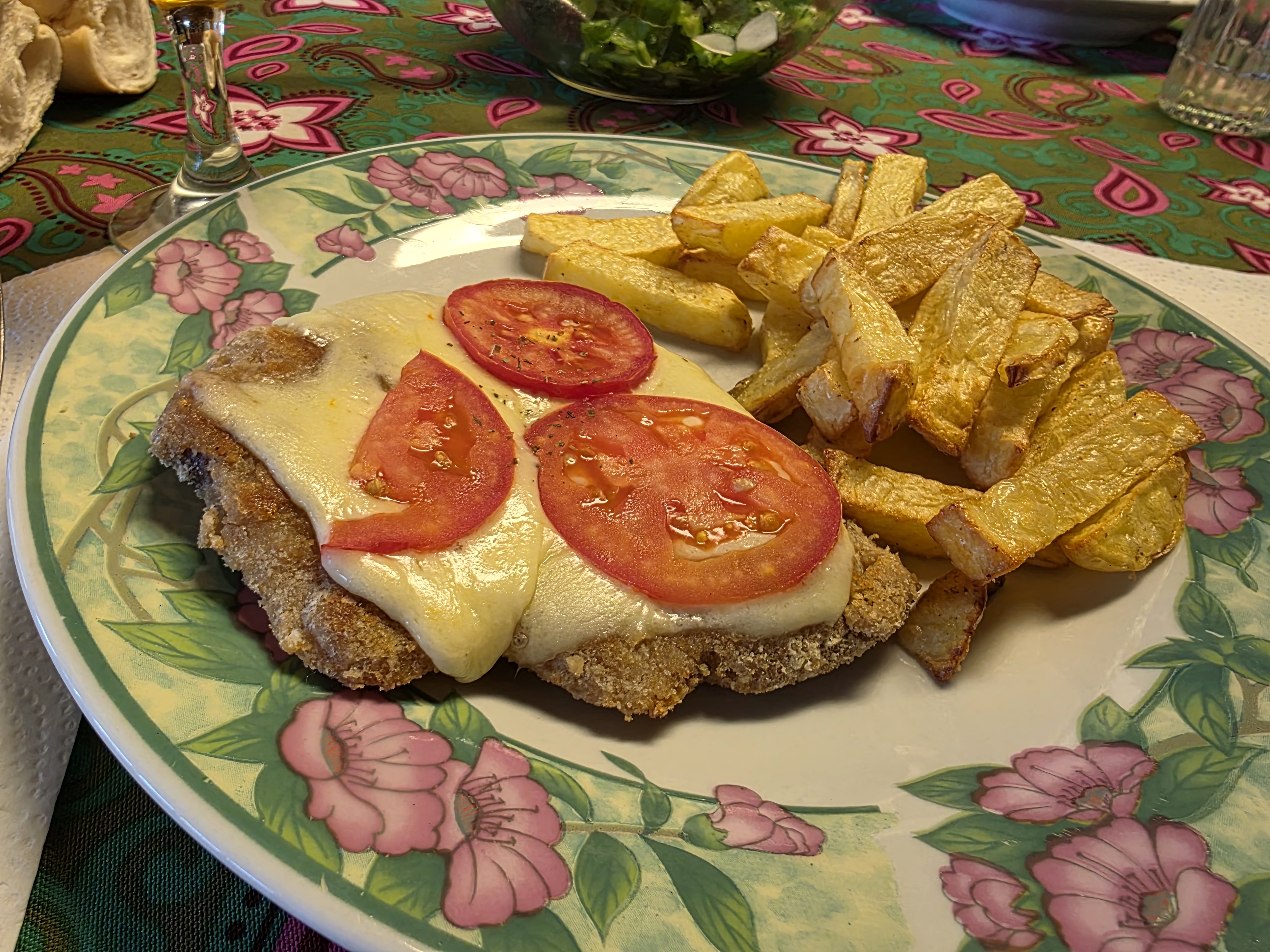
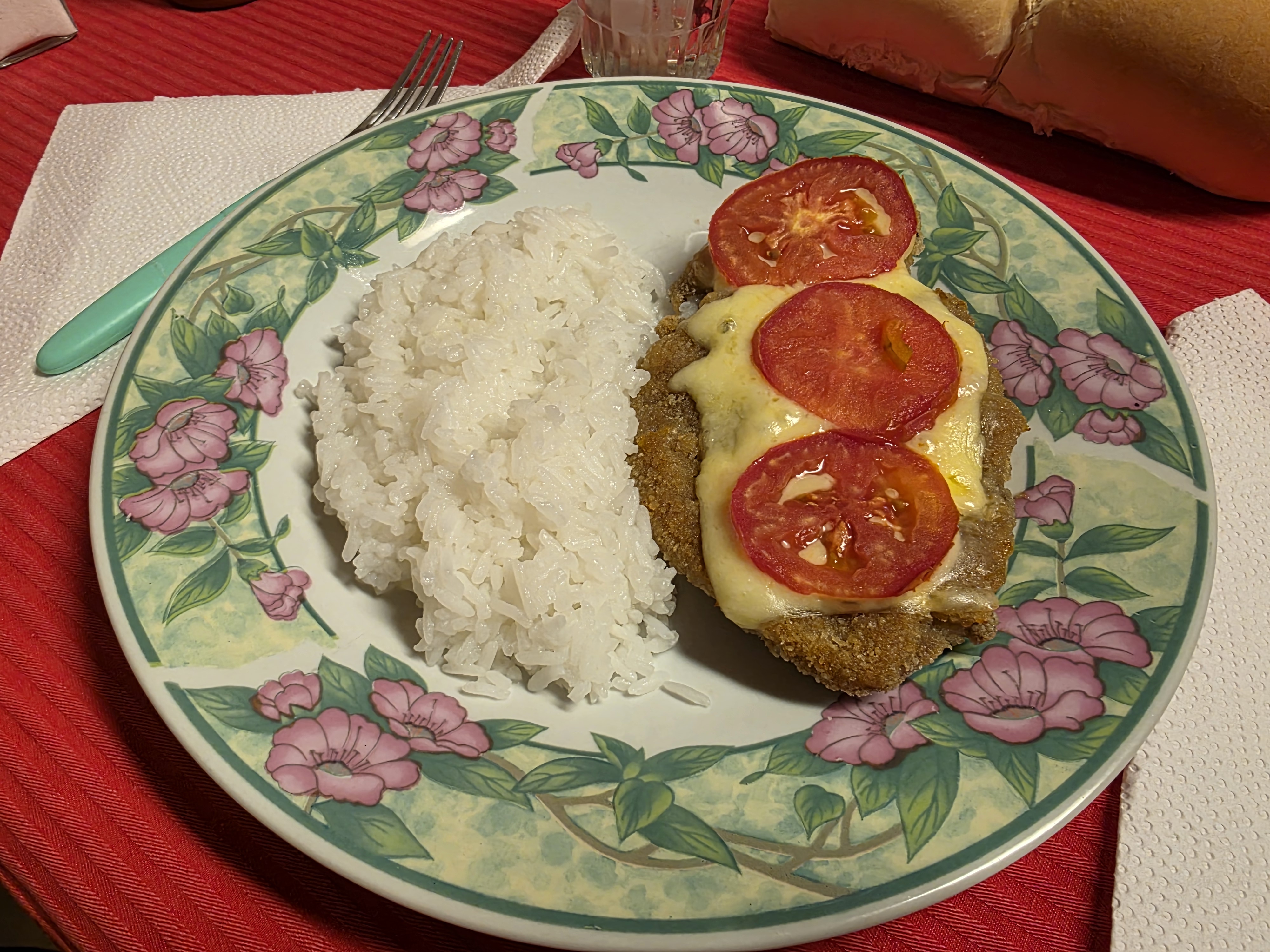
Lionel Messi, the Argentina captain and Inter Miami forward, has said more than once that his favourite food is the milanesa a la napolitana his mother, Celia Cuccittini, cooks at home in Rosario. On 17 June 2026 the Bengali news site Jagonews24 published a step-by-step recipe for the dish for readers who wanted to make it in their own kitchens. The milanesa napolitana is a thin slice of meat coated in breadcrumbs, fried or baked, then covered with tomato sauce and melted cheese. It is one of the best-known dishes of Argentine home cooking, and its story runs from nineteenth-century Milan to a restaurant opposite a Buenos Aires boxing stadium.
The Jagonews24 recipe follows the usual Argentine sequence: season the meat, coat it in flour, egg and breadcrumbs, fry it until golden, then top it with tomato sauce, mozzarella, tomato slices and oregano and put it in the oven until the cheese melts. The sections below set out what Messi himself has said about the dish, how his mother makes it, where the dish comes from, and how to cook it safely.
What Messi has said about his mother's milanesa
Messi's liking for his mother's milanesas has been reported in Argentina for years. According to a Canal 26 report of 15 October 2023, he told the newspaper Clarín, when asked what he missed most while living abroad, that his mother's milanesas a la napolitana were "what I like most". In the same interview he said: "I will never lose the essence of a neighbourhood kid."
He also explained what makes his mother's version different. "The sauce is perhaps the secret. I don't know, I have eaten a great many very good ones. Other people tried them and said it's true, that they are the best. I have eaten them since I was a child, and you know not all sauces are the same," he said, as quoted by Canal 26. In a 2021 interview with the sports daily Olé, quoted by Chile's T13 in June 2024, he made a similar point: the secret was perhaps the sauce that goes on top, and the reason might simply be that it was the first milanesa he ate, the one always cooked at home when he was a boy.
The same Canal 26 report noted that in October 2023, straight after a training session with the national team, Messi took a private flight to Rosario to have lunch with his mother on Argentina's Mother's Day. The regional news site Vía País reported in June 2024 that Messi had said more than once that his mother's food was one of the things he missed most in Europe, and that in a later quick-fire interview he named asado, the Argentine barbecue, as his favourite dish, an answer his family then put in context on Instagram.
How Celia Cuccittini makes it
In June 2024, while Messi was playing for Argentina at the Copa América in the United States, his mother recorded a short video of her milanesa recipe with the help of her grandson Tomás Messi, who streams online. Vía País and T13 both described the steps shown. Celia cuts thin steaks and trims off the fat. She salts the meat and soaks it in beaten egg. She then makes a tomato and onion sauce with a good amount of pepper.
Vía País noted that the captain himself could not share the table, but on the eve of the second match of Lionel Scaloni's side at the tournament his relatives in Rosario ate the milanesas his mother had made. The report described the recipe, tied to the childhood of the former Barcelona and Paris Saint-Germain player, as one of the most sought-after in Rosario. Tomás Messi had interviewed his uncle the week before and then made the cooking video with his grandmother.
The meat is breaded by hand in a dish full of breadcrumbs. Rather than frying, Celia puts the milanesas on a tray in the oven with a generous splash of oil on top. When the first stage of cooking is over, she turns the steaks, covers them completely with the sauce and, as the final touch of the napolitana, adds a layer of thin cheese slices. Vía País reported that the clip passed 130,000 views in under twelve hours.
The main difference from the Jagonews24 recipe is the cooking method: Celia bakes her milanesas in oil in the oven, while the Jagonews24 version fries them in a pan and uses the oven only to melt the cheese. Both finish the same way, with sauce and cheese on top.
From Milan to Buenos Aires: where milanesa comes from
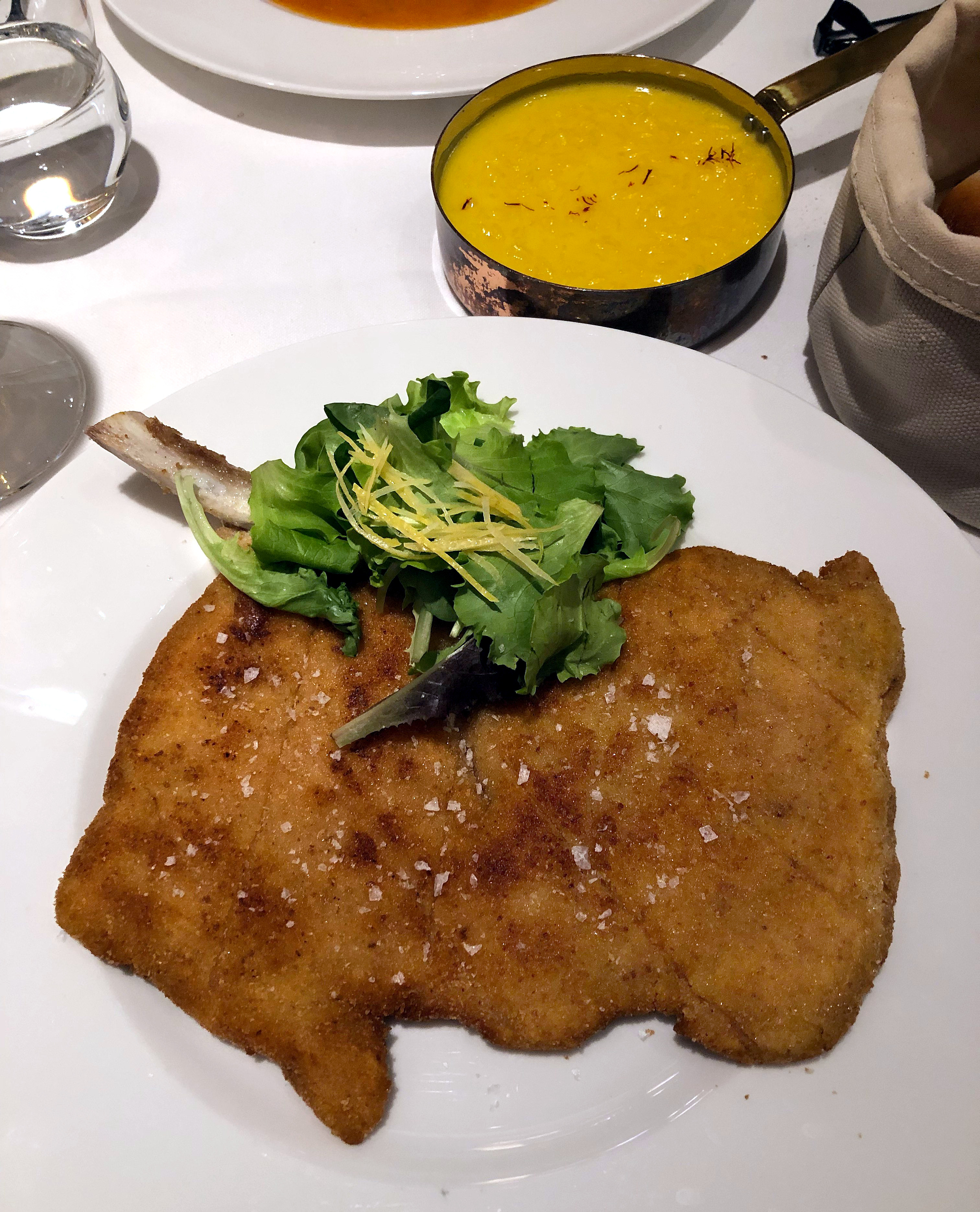
Milanesa means "Milanese" in Spanish. The dish is a form of breaded cutlet derived from the Italian cotoletta alla milanese, a speciality of Milan in which a bone-in veal rib is breaded and fried in clarified butter. Its exact origin is disputed. One Italian tradition holds that the Austrian field marshal Josef Radetzky took the recipe from Milan to Vienna, where it became the Wiener schnitzel, though no documentary evidence of this has been found; a Viennese theory argues the influence ran the other way. Breading meat is much older than either story: a banquet menu from Milan in 1134 listed "lombos cum panitio", breaded loin of meat.
The dish reached the Río de la Plata with Italian immigrants. Between the late nineteenth and early twentieth centuries Argentina received a huge wave of European immigration, and around 3 million Italians arrived at the port of Buenos Aires between 1870 and 1920, almost two-thirds of all immigrants in that period. The city's population rose from about 180,000 in 1870 to 1.3 million by 1910. Italian cooking left a deep mark on the country, from pasta and pizza to milanesa, which Argentines adapted with lean, boneless cuts of beef in place of veal ribs.
Why it is called napolitana
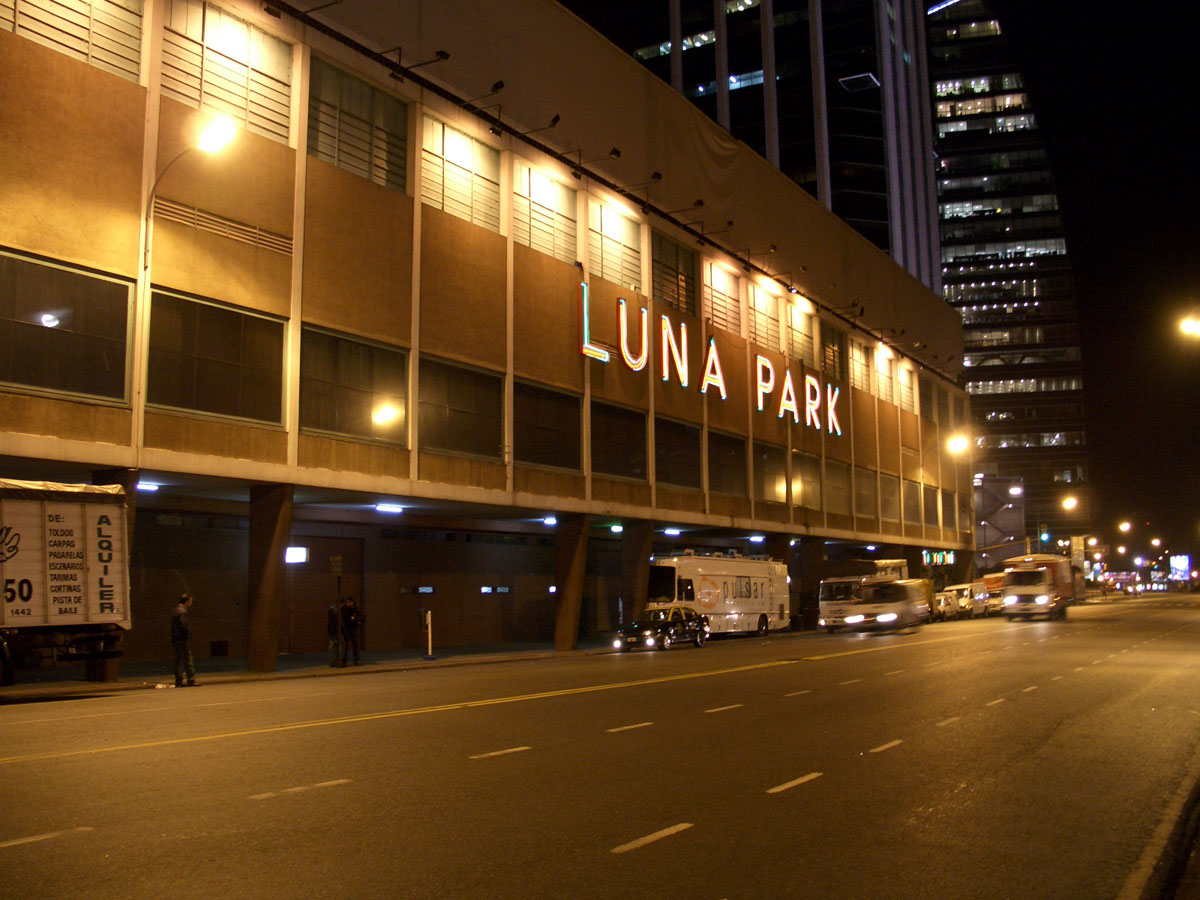
Despite the name, the milanesa napolitana does not come from Naples. According to the account given in the Spanish-language Wikipedia, drawing on Clarín, it was first served in the late 1940s as "milanesa a la Nápoli" at the Nápoli restaurant in Buenos Aires, owned by Jorge La Grotta, on Bouchard street between Corrientes avenue and Lavalle street, opposite the Luna Park boxing stadium. La Grotta's descendants have said the dish combined southern Italian habits such as pizza with the northern cotoletta alla milanese.
A popular legend says a cook burned a milanesa, had no other left, and covered the damage with tomato sauce, ham and cheese before browning it in the oven; the customer liked it so much that it went on the menu. The Spanish-language encyclopedia describes this story as unlikely. In October 2024 the food guide TasteAtlas named the milanesa napolitana the best breaded cutlet in the world, Canal 26 reported. TasteAtlas described it as a breaded, fried milanesa steak covered with a slice of ham, spicy tomato sauce and thick slices of mozzarella that melt under the grill, and placed its origin in the 1930s or 1940s at the Nápoli restaurant. Other Argentine versions also made the list: the milanesa a caballo, topped with a fried egg, came 20th.
A national dish in Argentina
Although it is known across Latin America, milanesa is most closely tied to Argentina, where it is regarded as a national dish. It is estimated that Argentines eat milanesas about three times a week on average, around 300 million kilograms a year, or 11.4 kilograms per person. The everyday phrase "la verdad de la milanesa", the truth of the milanesa, means an unquestionable truth.
Since 2011 Argentina has marked National Milanesa Day every 3 May, an observance that began as an initiative of the dish's fans on social media. The milanesa sandwich is a speciality of the northern province of Tucumán, whose legislature declared it part of the province's intangible cultural heritage in 2024. Beef is the classic meat, but chicken, pork and fish milanesas are common too, along with vegetarian ones made from aubergine, soy or chickpeas. A chicken-breast milanesa topped in the same way is called a suprema napolitana.
Argentine cooks favour particular lean cuts for milanesa, among them nalga (rump), peceto (eye of round), cuadrada, lomo (tenderloin), cuadril and bola de lomo. Lean cuts curl as they fry because they have less fat and sinew than other cuts, TasteAtlas noted in its description of the plain milanesa.
The beef behind the dish
Milanesa grew out of a country with a very large cattle industry. In its Livestock and Products Annual for Argentina, dated 24 September 2024, the U.S. Department of Agriculture's Foreign Agricultural Service forecast Argentine beef production in 2025 at 3.175 million tons carcass weight equivalent, up 2 percent, with exports projected at a record 860,000 tons and domestic consumption at 2.3 million tons.
The same report showed how Argentines' eating habits were changing. Citing the Bolsa de Comercio de Rosario, it estimated per capita beef consumption in 2024 at about 45 kilograms, the lowest in 110 years, compared with 65 kilograms 24 years earlier. Cheaper poultry and pork were gaining ground, and in 2024, for the first time, poultry consumption was on par with beef. Total consumption of the three main meats in 2024 was projected at 106 kilograms per person.
The recipe published on 17 June 2026
The Jagonews24 recipe does not give exact quantities. It uses meat cut into pieces, salt, black pepper, garlic paste, eggs, flour, breadcrumbs, cooking oil, tomato sauce, mozzarella, tomato slices and a little oregano. The method is as follows:
- Wash the pieces of meat well and drain them.
- Rub them with salt, black pepper and garlic paste and leave for 20 to 30 minutes.
- Beat eggs in one bowl; put flour in a second bowl and breadcrumbs in a third.
- Roll each piece first in flour, then dip it in egg, then coat it well with breadcrumbs.
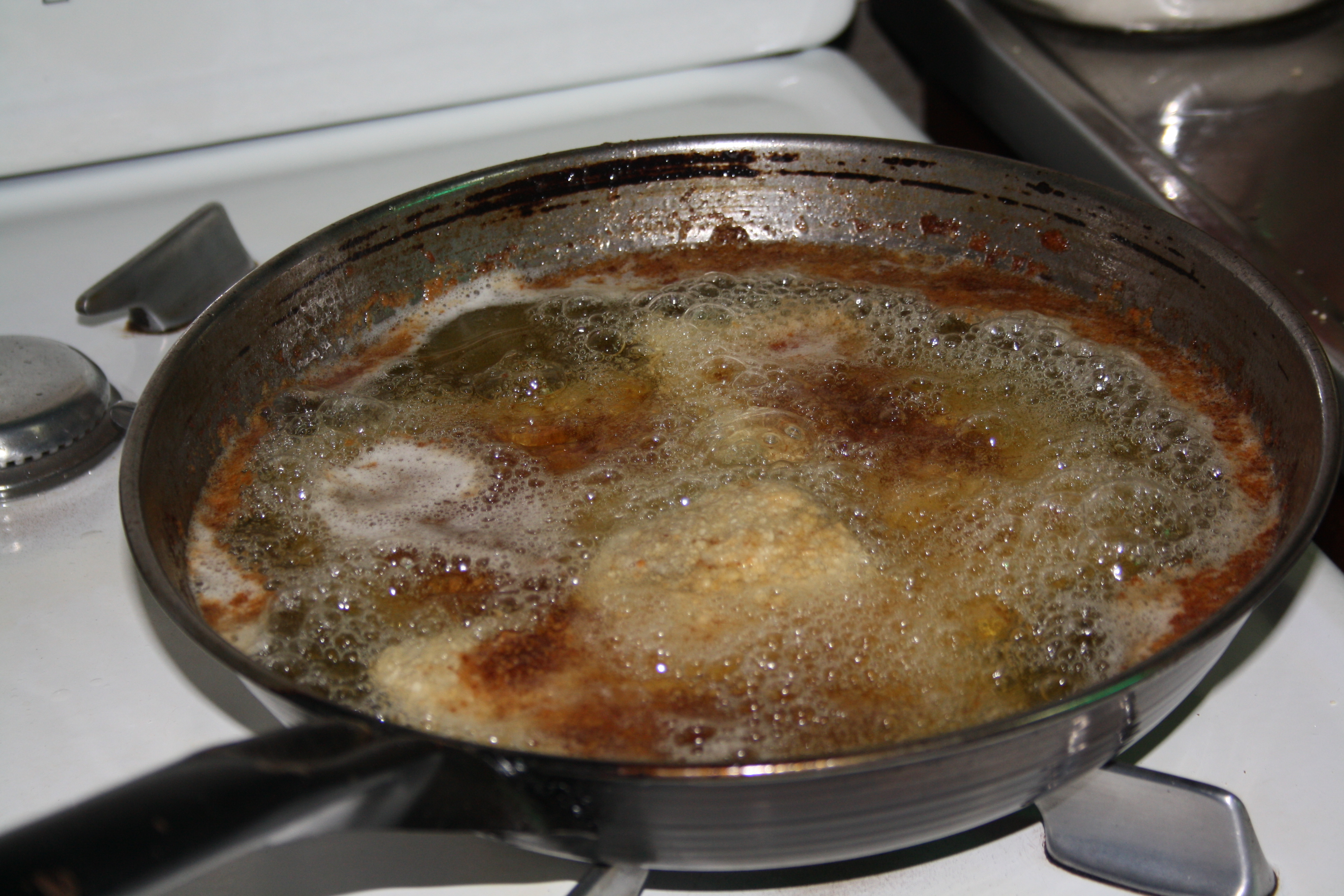
- Heat oil in a karai or pan and fry the meat on medium heat until golden, then drain off the excess oil on kitchen paper.
- Place the fried pieces on a baking tray, spread tomato sauce over each one, then add mozzarella, tomato slices and a little oregano.
- Bake for 8 to 10 minutes in an oven preheated to 180C, until the cheese has fully melted.
- Without an oven, leave the pieces in a covered non-stick pan on low heat for a few minutes until the cheese melts.
The recipe leaves out the slice of cooked ham that TasteAtlas and the Spanish-language encyclopedia list in the classic Buenos Aires version; Celia's version as shown in the 2024 video used only sauce and cheese. The Miami restaurant version described below shows another variation in seasoning, with lemon and oregano in the marinade.
Jagonews24 suggested serving the milanesa napolitana with mashed potato, French fries, salad or rice, and noted that many people like to squeeze lemon juice over it. In Argentina it is usually served with fries or mashed potato.
Cooking breaded meat safely
Because the dish combines raw meat, raw egg and a short spell in the oven, basic food-safety rules matter. The World Health Organization's Five Keys to Safer Food are: keep clean, separate raw and cooked, cook thoroughly, keep food at safe temperatures, and use safe water and raw materials.
The WHO advises cooking meat, poultry and eggs thoroughly and, for meat and poultry, making sure the juices are clear, not pink; ideally a thermometer should be used, and studies show that cooking food to 70C helps ensure it is safe. Raw meat and its juices can carry dangerous microorganisms, so the WHO recommends keeping raw meat apart from other food and using separate knives and cutting boards for raw food. That applies to the bowls of flour, egg and breadcrumbs used for coating raw meat, which should not be reused for cooked food.
Cooked food should not be left at room temperature for more than two hours; it should be refrigerated promptly, preferably below 5C, or kept piping hot, above 60C, until served. Frozen meat should not be thawed at room temperature. The WHO's fact sheet on food safety, updated in June 2026, notes that unsafe food can cause more than 200 diseases and that raw or undercooked meat is linked to infections such as Campylobacter and Shiga toxin-producing E. coli.
Messi's milanesa in restaurants
The dish's link with Messi has also become business. In June 2024 Voice of America reported that The Amalfi Llama, a restaurant in Aventura, north of Miami, had added the "MilaMessi" to its menu, a traditional milanesa made to the recipe of Messi's mother, Celia María Cuccittini, who approved its inclusion. The restaurant's chef, Alejandro Porvén, said the steak was flattened and marinated with salt, pepper, lemon, oregano and garlic, then breaded with organic eggs and good bread. VOA reported that the Messi family was behind the project, with plans to start in South Florida and expand to cities such as Las Vegas, New York, Dubai and Barcelona.
In July 2025 Messi became a partner in El Club de la Milanesa, an Argentine chain specialising in the dish, the newspaper Tiempo de San Juan reported on 10 July 2025. The chain opened its first takeaway shop in Buenos Aires' Belgrano neighbourhood in 2006, works with Argentine Black Angus beef and had more than 70 branches in Argentina, Uruguay and the United States, including a location in Miami. The company's statement did not say what stake Messi took or how much he invested. It said the chain planned to open in Chile and Paraguay that year and was preparing to enter Spain, Italy and Portugal in 2027. "More than a dish, the milanesa is a synonym of tradition and flavour," the company said.
Photo: Horacio Cambeiro / Wikimedia Commons (CC BY 3.0)
Sources: Jagonews24, Canal 26, T13, Vía País, Voice of America, Tiempo de San Juan, U.S. Department of Agriculture Foreign Agricultural Service, World Health Organization, Wikipedia


Comments
(0)