
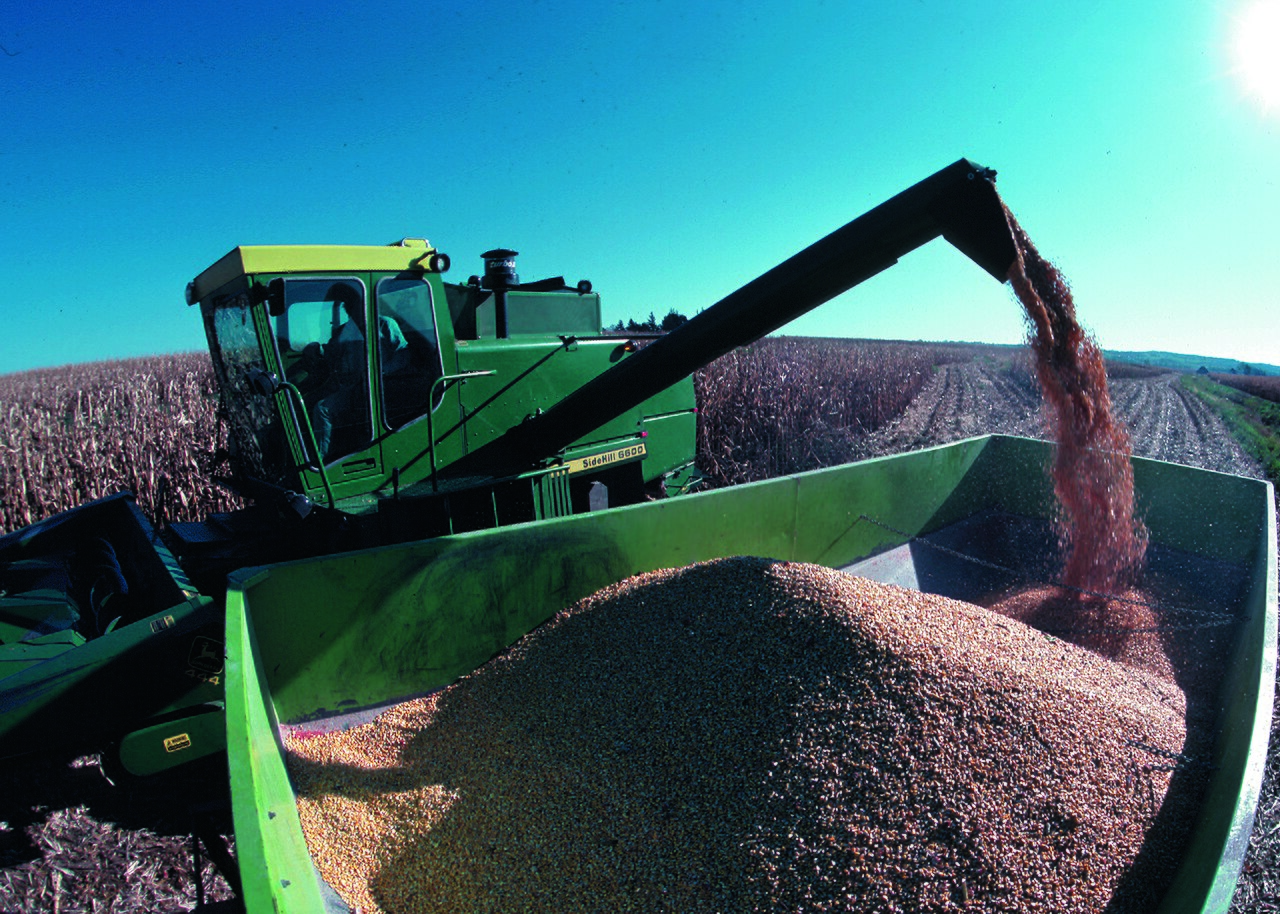
Farmers across the US Midwest and parts of Canada are heading into the heart of harvest under a weather pattern that looks set to turn more active, according to Eric Snodgrass, meteorologist at Nutrien Ag Solutions. He says the persistent ridge of high pressure that dominated much of North America in late summer is giving way to a setup with both northern and southern jet-stream branches, which could deliver repeated rainfall across the main crop regions through late September and early October.
The shift follows a year of extremes: an unusually active severe-weather season, wind reports well above average, and sharp contrasts between regions drowning in rain and those in drought. Kansas, Nebraska, Iowa, Minnesota, Wisconsin, northern Illinois and parts of Ohio have had exceptionally heavy rain in recent weeks, and some places in eastern Iowa and central Ohio have recorded their wettest start to September on record. "The question now is whether these rain events will continue during harvest," Snodgrass said, pointing to models that put more moisture into parts of the Midwest over the next one to two weeks.
While parts of the Mid-South dried down quickly and got an early start after prolonged drought, the Upper Midwest and areas of western Canada remain saturated. Storm systems crossing western Canada could keep the Prairies moist, and a developing southwest-to-northeast storm track, with subtropical moisture meeting northern systems, favours periodic rain across the northern Plains and southern Prairies. For Prairie growers cutting cereals, canola and pulses, Snodgrass said the timing and frequency of those systems will govern field access and crop quality.
The first real taste of autumn has already arrived, with frost advisories in some northern production areas, but he does not expect cool air to settle in for good: models show temperatures swinging through the rest of September, and they disagree on how long the cool spell lasts across the Midwest and Northeast. He also flagged a possible strengthening of moisture flow from the Gulf of Mexico later in September and into October, despite a quiet Atlantic hurricane season; several AI-enhanced models show a broad wetter zone from the southern United States into the central and northern Plains. For grain producers that could mean later harvest, higher drying costs and slower transport if fields stay wet.
Beyond harvest, Snodgrass sees El Niño becoming the dominant driver. Equatorial Pacific sea temperatures keep rising and current readings suggest the event could rank among the strongest on record, likely persisting through winter and possibly into spring. Strong El Niño years have historically shifted North American temperature and rainfall patterns, though effects vary by region and month, raising questions about winter conditions, spring moisture reserves and the 2027 growing season. Early projections favour a split jet stream that carries moisture across the continent while making temperatures more variable. The watch list for the coming weeks: further rain chances across the Midwest and northern Plains, soil moisture in already saturated areas, Gulf moisture into October, temperature swings that slow harvest, and the continued build of a historically strong El Niño.
Photo: Tim McCabe, USDA NRCS / Wikimedia Commons (public domain)
Source: Farms.com
Comments
(0)