
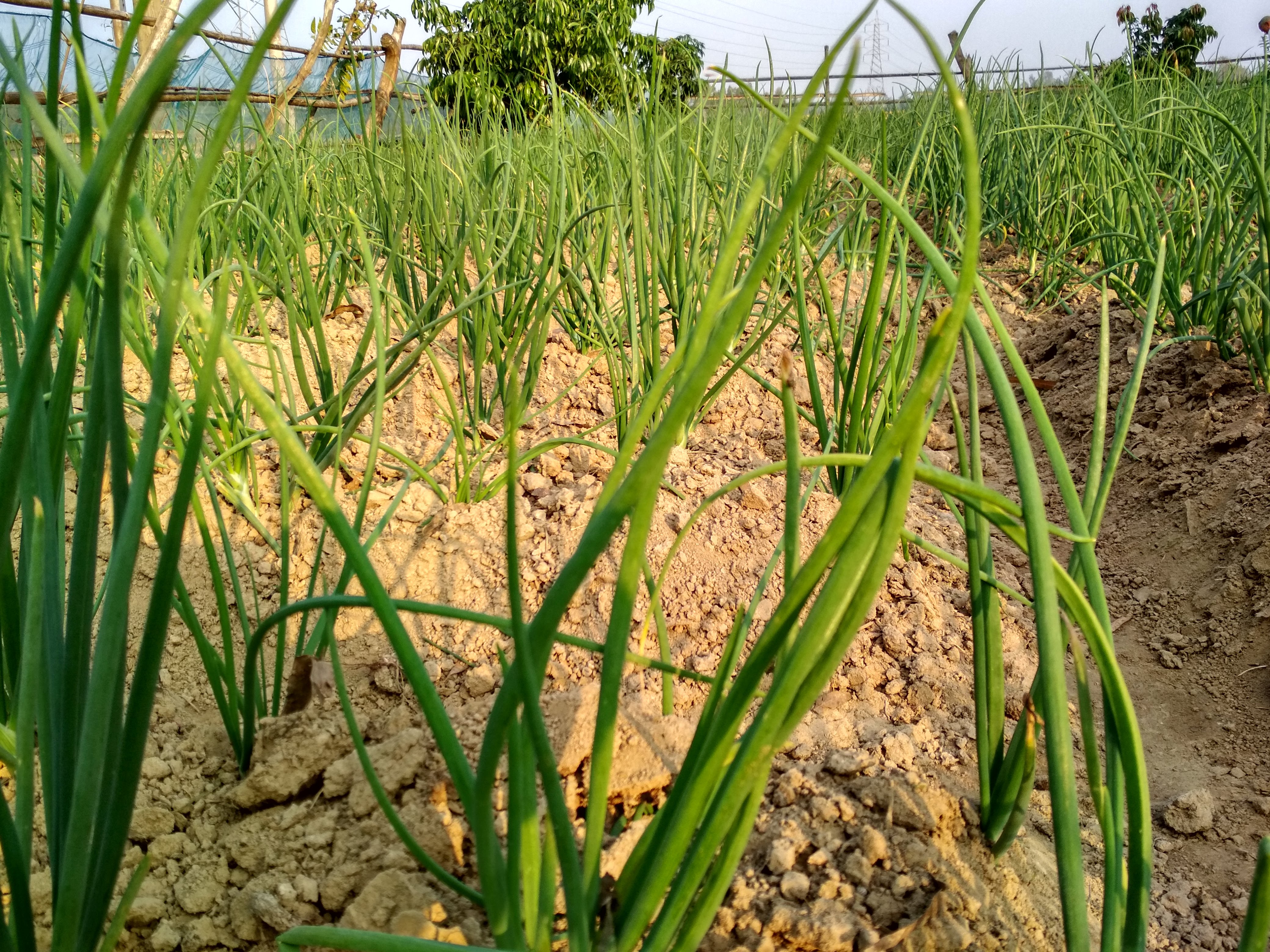
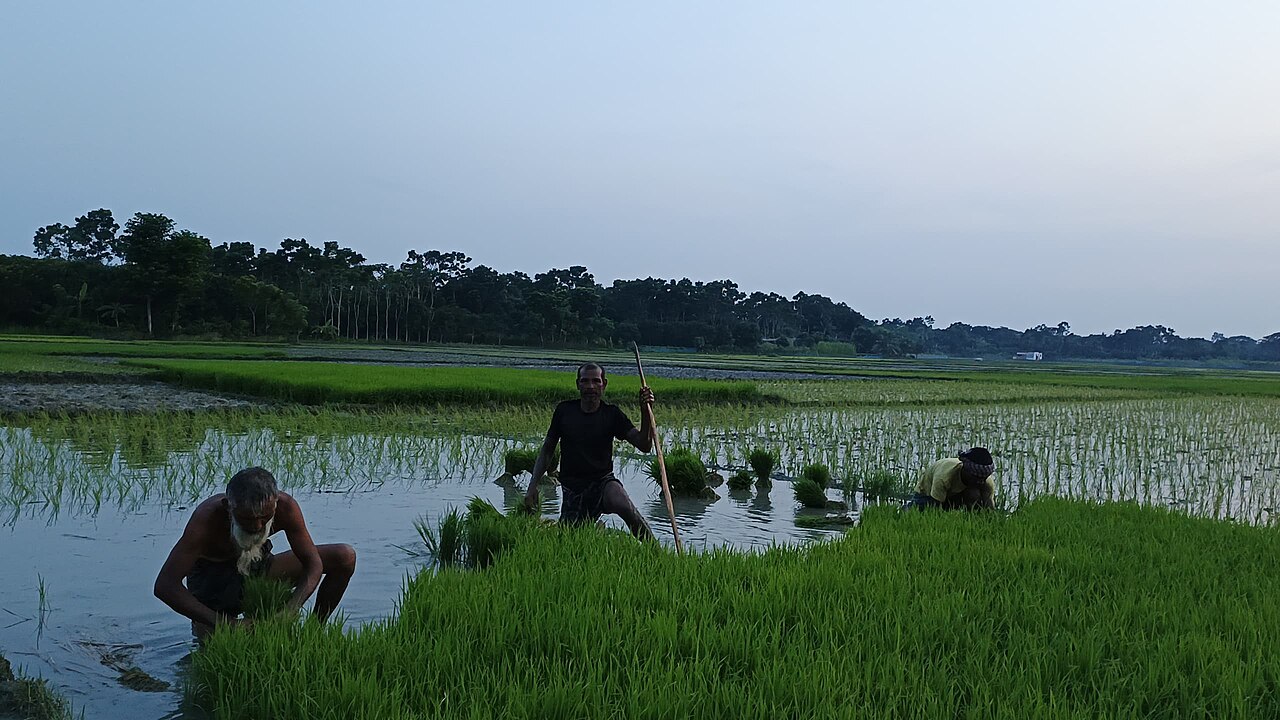
At the start of the rabi season, in the last week of December 2025, farmers in the upazilas of Manikganj district were busy transplanting hali, or seedling, onions. From dawn to dusk, groups of farmers prepared land and planted seedlings in rows while others irrigated or applied fertiliser, Jagonews24 reported on 26 December. The district Department of Agricultural Extension (DAE) had set a target of 70,575 tonnes of hali onions for the season.
Targets and planting progress
According to the DAE, in the previous fiscal year seedling onions were grown on 4,149 hectares in the district's seven upazilas, producing 65,740 tonnes. For the 2025-26 season the hali onion target was 4,452 hectares. By the day of the report, planting had been completed on 430 hectares. Harirampur and Shibalaya upazilas grow the most onions.
Across all types, the district's onion target was 7,867 hectares: 4,452 hectares of hali onions, 3,386 hectares of murikata onions and 29 hectares of seed onions. The Daily Inqilab reported on 19 November 2025 that Harirampur alone aimed to grow murikata onions on 1,140 hectares that season, with a production target of 19,516 tonnes.
Hali and murikata: two ways of growing onions
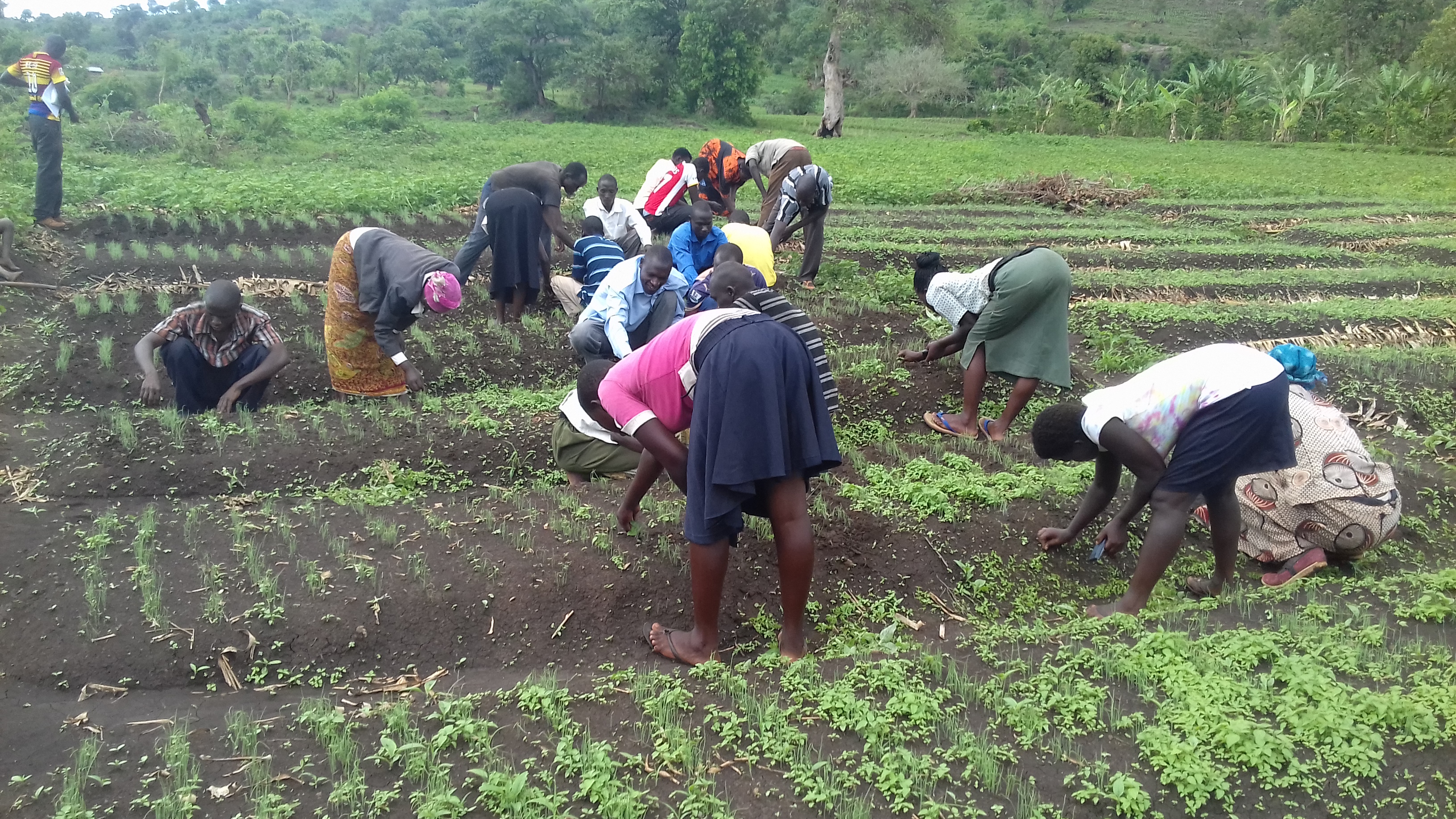
Hali onions are raised from seedlings grown in nursery beds and harvested later in the season. Murikata is the early crop: according to a Dhaka Tribune report of January 2025, it is grown not from seed but from small onions, called guti, produced the previous year, and is usually harvested between December and February. Prothom Alo reported in November 2025 that murikata onions start reaching markets in the second half of December.
Manikganj is a district of Dhaka Division covering 1,383.66 square kilometres. Its seven upazilas are Daulatpur, Ghior, Harirampur, Manikganj Sadar, Saturia, Shivalaya and Singair, and the Padma, Jamuna, Kaliganga, Dhaleshwari and Ichamati rivers flow through it. Local farmers said the soil suits onions, which makes the crop an important source of cash income in the district.
Costs, fertiliser and import fears
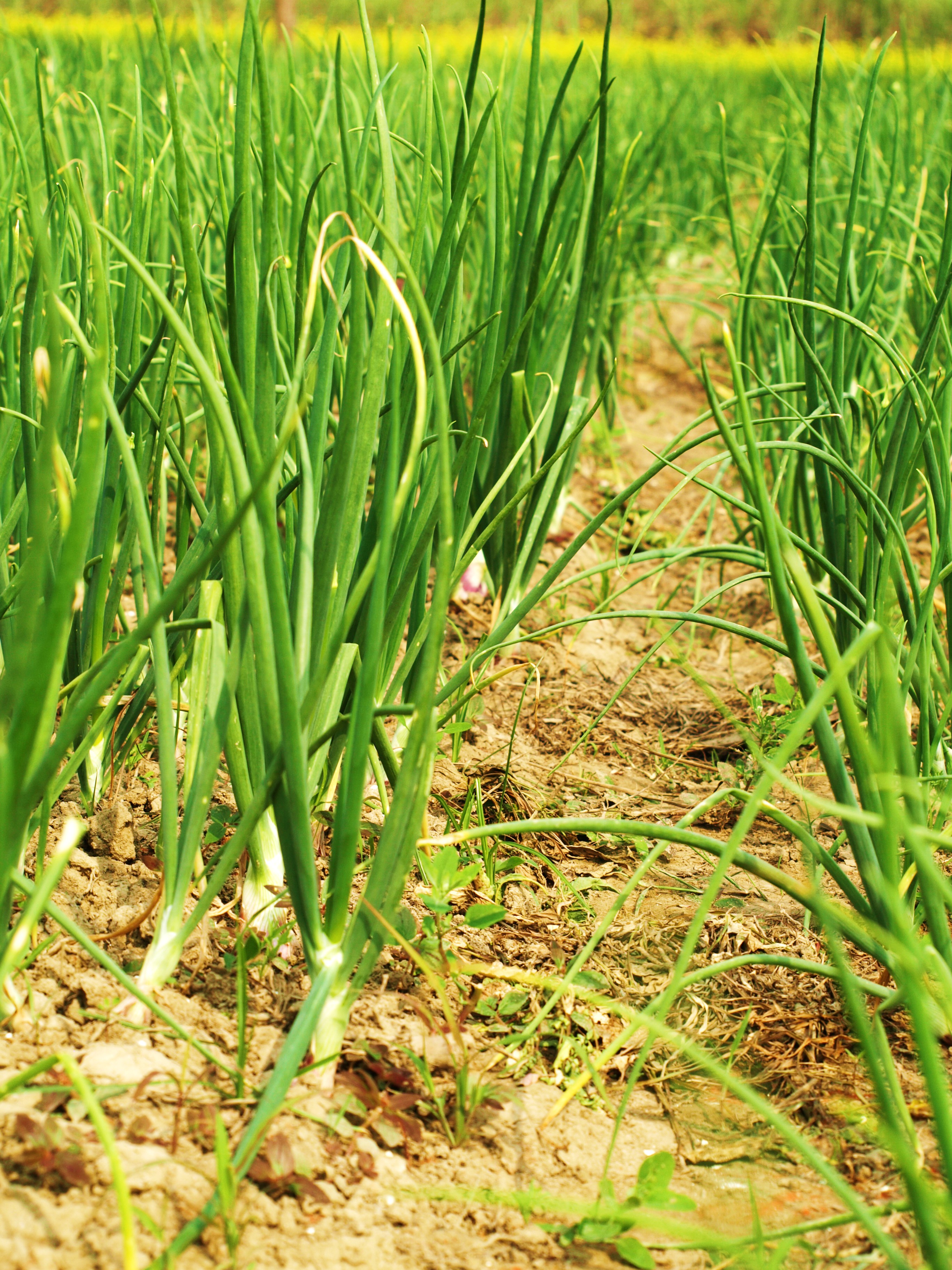
A fertiliser shortage and higher labour wages put farmers under pressure. Jinnat Ali Mollah of Kotkandi village in Kanchanpur union told Jago News that he had grown hali onions on three bighas the year before, spent a lot and made a loss, but would plant the same three bighas again. “It will cost at least Tk 50,000 a bigha,” he said. Hazrat Fakir of Kutirhatkhola village said onions from the area supply Dhaka, Sylhet, Chattogram and other districts, but costs are so high that there is hardly any profit.
Zakir Hossain of Harirampur, who grows onions on about 15 bighas a year, said that if prices held at their level then, farmers could recover the previous year's losses, but imports in the middle of the season would hurt them. He said fertiliser runs severely short in the hali onion season and appealed to the government to make fertiliser and seed easily available.
The national market explains the worry. The Daily Star reported that in early December 2025 onions were selling at Tk 150 a kilo in Dhaka retail markets, and the agriculture ministry allowed limited imports from 7 December: 50 import permits a day, each for up to 30 tonnes, or 1,500 tonnes daily. The DAE estimated the previous season's harvest at over 39 lakh tonnes, yet 6 to 7 lakh tonnes of imports were expected to be needed to offset post-harvest losses. Prothom Alo reported that 483,000 tonnes were imported in the 2024-25 fiscal year, 99 per cent of them from India.
Fertiliser prices were also a complaint. In late October 2025 The Daily Star reported that onion farmers in Pabna, Faridpur and Rajbari were paying Tk 2,300 to 2,400 for a 50 kg bag of DAP fertiliser against a government rate of Tk 1,050. Officials denied a shortage and blamed an artificial scarcity created by traders.
What the agriculture department said
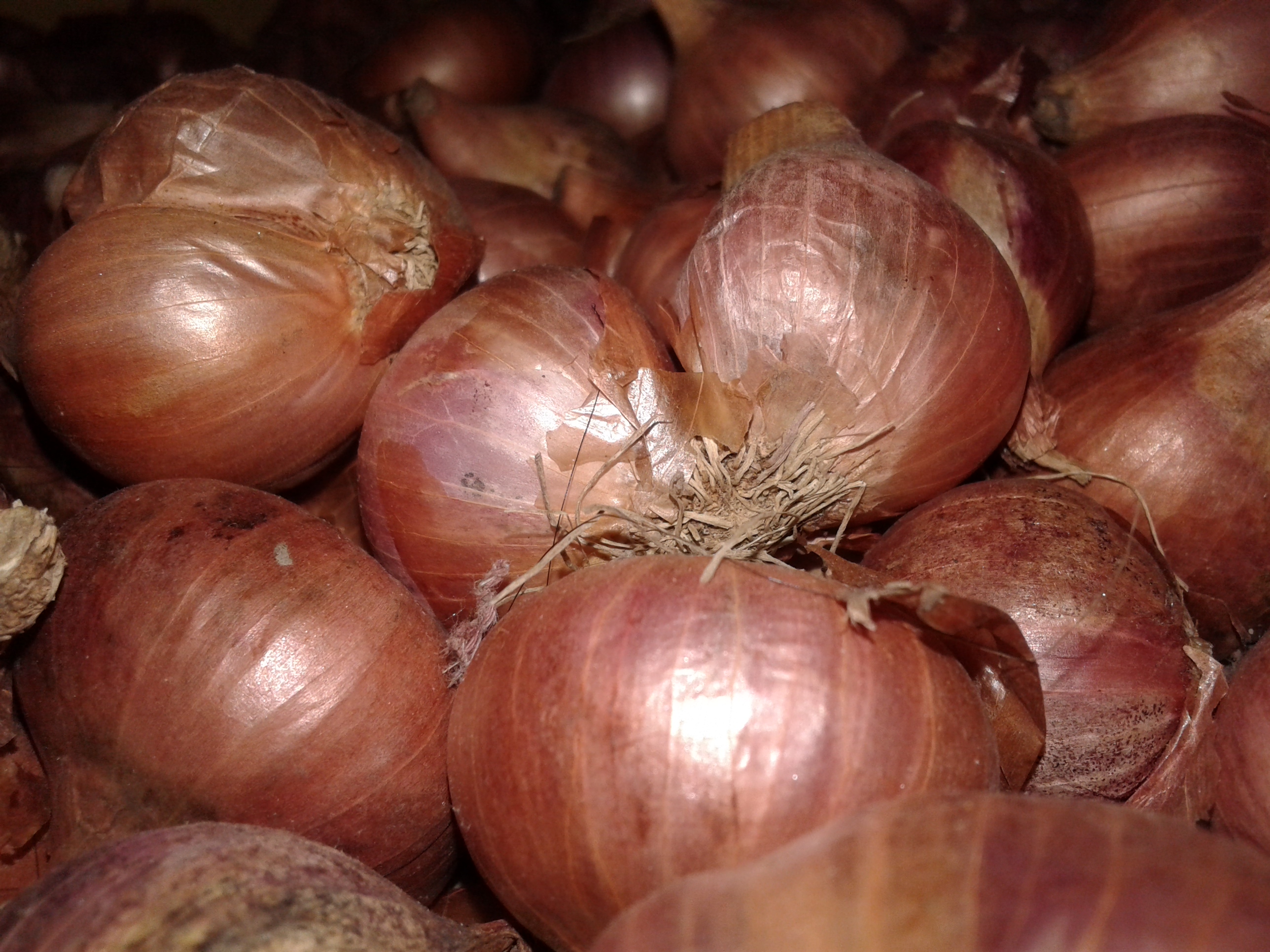
Shahjahan Siraj, deputy director of the DAE in Manikganj, told Jago News that hali onions would be planted on the remaining land within the next 15 to 20 days. Because the weather was favourable and farmers were following the agriculture office's advice, he said, he hoped onion production would rise that season.
Photo: RockyMasum / Wikimedia Commons (CC BY-SA 4.0)
Sources: Jagonews24, The Daily Star, Prothom Alo, Dhaka Tribune, The Daily Inqilab, Wikipedia
Comments
(0)