
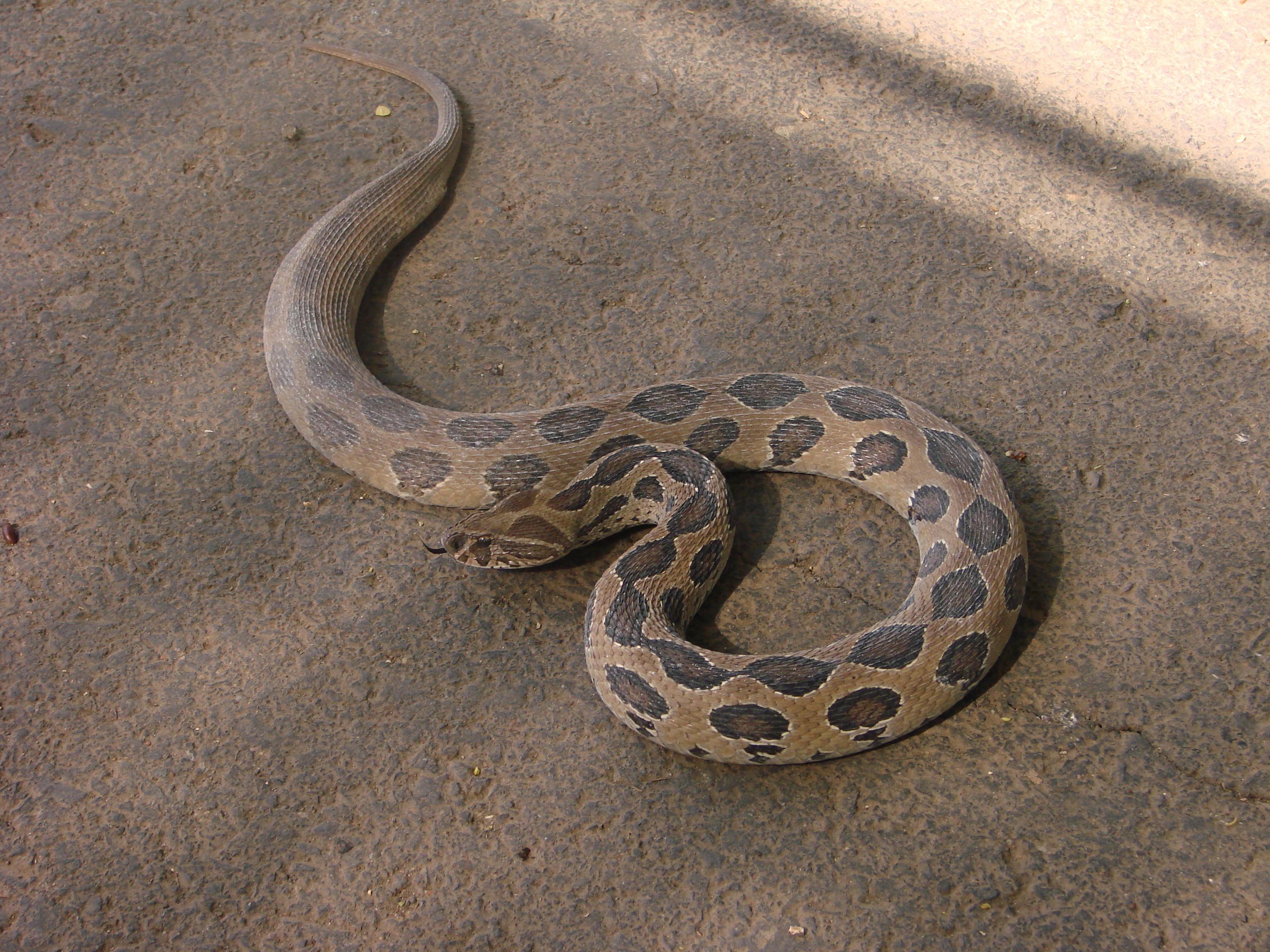
On 11 December 2025 the Bengali news site Jagonews24 reported from Madaripur that snake attacks had suddenly increased in the district's five upazilas. According to hospital sources quoted by the paper's district correspondent, 353 people had been bitten by snakes in the district during the year, and eight of them had died. The people of Shibchar upazila, which lies on the Padma river along the northern edge of the district, were the worst affected.
The report was more than a tally. A lawyer, the founder of a local organisation and two doctors at the district's 250-bed hospital all made the same point: many families in Madaripur still take a person bitten by a snake to an ojha, a traditional snake healer, before they go to a hospital, and the time lost can cost a life. They called for awareness work in the villages, above all in the char areas of Shibchar. This account sets out what the report said and adds background from Bangladesh's health authorities, the World Health Organization (WHO), the national encyclopaedia Banglapedia and research published up to the date of the report.
Hospital figures for 2025
According to the hospital sources cited in the report, 353 people were bitten by snakes in Madaripur's five upazilas from January to December 2025. Of them, 104 were admitted to the 250-bed district hospital in Madaripur Sadar. Shibchar Upazila Health Complex admitted 209 snakebite patients, Kalkini Upazila Health Complex 15 and Rajoir Upazila Health Complex 25. Of all these patients, 85 had been bitten by venomous snakes, the report said.
Shibchar's 209 admissions were the largest figure in the list, larger than that of the district hospital in the town of Madaripur. The report did not give a separate figure for the district's fifth upazila, did not say where the eight people who died had been bitten or treated, and did not name the species of snake involved. It described the rise as sudden but did not give the figures for earlier years.
The numbers are counts of people who reached a hospital. The WHO warns that in countries where snakebite is common, the cases reported to health ministries by clinics and hospitals are often only a small proportion of the real burden, because many victims never reach a primary care facility and so are never recorded. Socio-economic and cultural factors play a part, the WHO says, with many victims choosing traditional practices rather than hospital care. That is the problem the people interviewed in Madaripur described.
Ojha first, hospital later: the warnings from Madaripur
Rezaul Karim, a lawyer in Madaripur, told Jagonews24: "Many people still take someone bitten by a snake to an ojha before the hospital. This wastes time and the patient gets sicker. By the time they reach hospital it is often too late. Patients must be brought to hospital as soon as they are bitten. That will reduce the risk to their lives."
Farzana Akter Munni, founder of the local organisation Jago Unnayan Sangstha, said: "Awareness programmes, including courtyard meetings, gatherings and leaflets in schools and colleges, must be taken up in the villages, especially in the char areas of Shibchar upazila. That will raise awareness among people."
Dr Zahirul Islam Khan Firoz, head of the paediatrics department at Madaripur 250-bed District Hospital, described one case: "A two-year-old child bitten by a snake was brought to us. We quickly examined the child and realised it was a venomous snake. When we got ready to give antivenom, the child's guardians would not allow it. They forcibly took the child away from the hospital. In that condition the child urgently needed antivenom. So awareness must be raised in the villages. Otherwise many lives will be lost to ignorance." The report did not say what happened to the child afterwards.
The hospital's resident medical officer (RMO), Dr Mohammad Nurul Islam, said many people still believe that a snakebite can be cured by an ojha's treatment. But if a snakebite patient is brought to hospital quickly and given antivenom, the patient recovers, he said, adding that many people do not want to understand this.
Research has shown how deep the habit runs. A national household survey of snakebite in rural Bangladesh, carried out from February to June 2009 and published in the journal PLoS Neglected Tropical Diseases in October 2010 by Ridwanur Rahman, M Abul Faiz and colleagues, found that snake charmers (ozhas) were the first contact for 86 per cent of victims, and that only 3 per cent went directly to a registered doctor or a hospital. Reciting mantras was the most common treatment, used in 60 per cent of cases, and harmful practices were common, among them multiple cuts at the bite (43 per cent) and sucking blood from the wound by mouth. The authors concluded that snakebite deaths are preventable and that antivenom should be available free of charge in public hospitals, especially in remote areas.
Years later the warning had not changed. In June 2024, during a wave of public alarm about Russell's vipers, an officer of the Deep Ecology and Snake Conservation Foundation, a Bangladeshi conservation group, told the Dhaka Tribune that deaths happened mostly because patients were admitted to hospital late, and that many people still went to shamans first.
Madaripur and Shibchar: farming country on the Padma
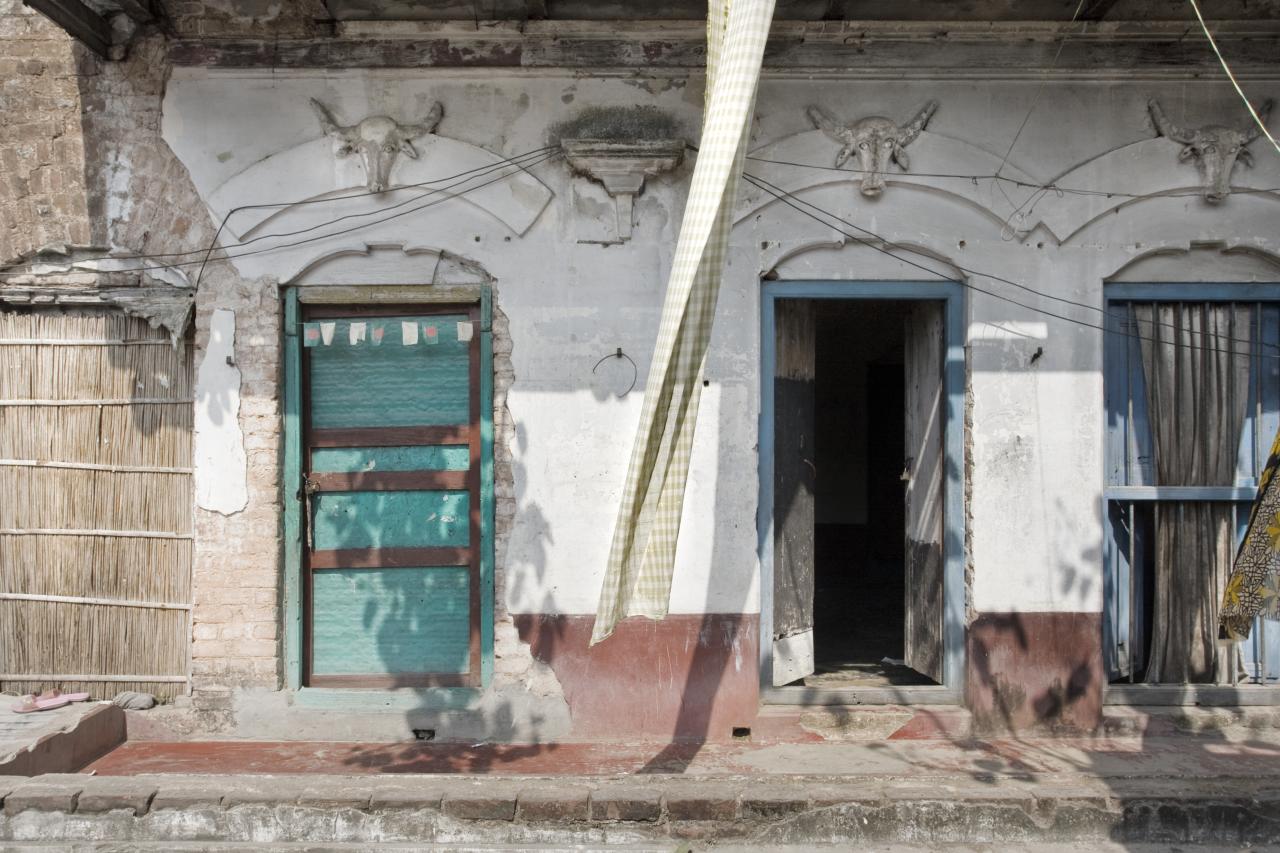
Madaripur is a district of Dhaka division covering 1,049.59 square kilometres, according to Banglapedia. It is bounded by Faridpur and Munshiganj districts to the north, Barisal and Gopalganj to the south, Shariatpur to the east and Faridpur to the west. Its main rivers are the Padma, the Arial Khan, the Kumar and the Ghagor. Madaripur became a subdivision in 1854 under Bakerganj district, was moved to Faridpur district in 1873 and became a district in its own right in 1984. The 2011 population census counted 1,094,458 people, and agriculture was the main source of income for 61.33 per cent of households.
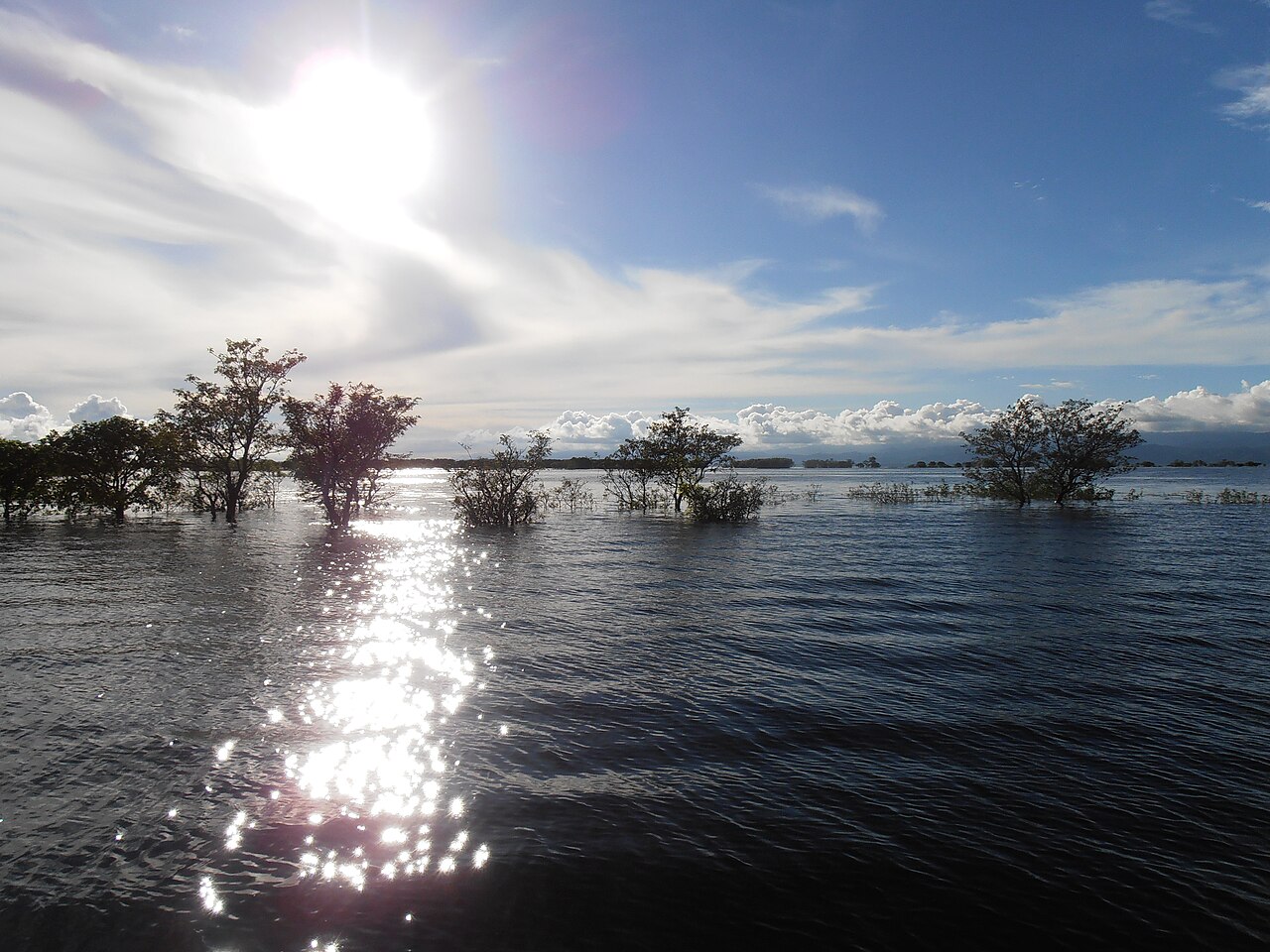
Shibchar upazila covers 332.90 square kilometres. Banglapedia describes it as bounded by the Padma river and by Lohajang and Sadarpur upazilas to the north, Rajoir and Madaripur Sadar upazilas to the south, Zanjira upazila to the east and Bhanga upazila to the west. Its rivers are the Padma, the Kumar, the Arial Khan and the Moynakata. Shibchar thana was formed in 1930 and became an upazila in 1983. In 2011 it had 318,220 people living in 19 unions and 519 villages, several of them chars, the river islands and sandbanks that the Padma builds and erodes; union names such as Char Janajat and Panch Char record that history.
Farming was the main source of income for 63.95 per cent of Shibchar's households in the census figures that Banglapedia gives. The upazila's main crops are paddy, jute, wheat, pulses, sugarcane, onion, garlic, mustard, betel leaf and groundnut, and groundnut, pulses, onion, garlic, betel leaf and mustard are its main exports to other areas. This is the kind of landscape where snakebite is an occupational risk. The 2010 national survey found that most bites happened while people were at work, especially farming and field work, and in water: water accounted for 27 per cent of the places where people were bitten and fields for 24 per cent. Seventy-one per cent of bites were on the feet and legs and 27 per cent on the hands.
How many people snakes bite in Bangladesh
The 2010 survey covered 18,857 people in 24 of Bangladesh's 64 districts. It found an incidence of 623.4 snakebites per 100,000 person-years in rural Bangladesh, and the rate was highest in Barisal division, at 2,667.7 per 100,000. From these figures the authors estimated that about 589,919 people were bitten and 6,041 died each year in rural Bangladesh, while cautioning that the death estimate rested on a single observed death and was statistically unstable. Bites peaked from June to October, with October (22 per cent) and July (15 per cent) the highest months, and a smaller rise came in December, which the authors linked to harvesting. Thirty-six per cent of bites happened at night.
In December 2018 the WHO country office in Bangladesh said snakebites affected about 700,000 people in the country each year and caused around 6,000 deaths, and that snakebite was the second most common cause of death during floods.
The most recent national figures came from the Directorate General of Health Services (DGHS). Its National Centre for Disease Control published the "National Survey on Annual Incidence and Epidemiology of Snakebite in Bangladesh" on 18 June 2023, with data for 2021-22. As reported by The Business Standard in August 2023, the survey estimated about 403,000 snakebites and 7,511 deaths a year. The Dhaka Tribune reported in September 2023 that, according to the study, 95 per cent of victims were village people, and that a DGHS report of July 2023 put the number bitten each year at about 244 of every 100,000 people.
Bangladesh is part of a global problem. The WHO's fact sheet on snakebite envenoming, as it stood in November 2025, estimated that 5.4 million people worldwide are bitten by snakes each year, with between 1.8 and 2.7 million cases of envenoming, and that between 81,410 and 137,880 people die. Around three times as many amputations and other permanent disabilities are caused each year. Agricultural workers and children are the most affected, the WHO says, and up to 2 million people are envenomed each year in Asia alone.
Which snakes are dangerous in Bangladesh
Most snakes in Bangladesh are harmless. Banglapedia puts the number of species in the country at about 90, more than three quarters of them non-venomous, and says fewer than half a dozen land snakes are highly venomous. Several non-venomous species that live close to people, such as the rat snake (dhaman), are useful because they eat rats and mice. The truly venomous snakes are the cobras and kraits of the family Elapidae, the sea snakes, and the vipers and pit vipers of the family Viperidae.
Counts differ between sources. The WHO country office gave 82 species, 27 of them venomous and 6 of them of concern to people, in 2018. The Dhaka Tribune cited the DGHS in 2023 as counting about 98 species, 31 of them venomous. The Business Standard, also in 2023, listed 37 venomous species out of about 100: 16 sea snakes, 3 cobras, 5 kraits, 2 coral snakes, 6 green pit vipers and one true viper, the Russell's viper.
A study published in the Journal of Toxicology in September 2025 by researchers at Khwaja Yunus Ali University, the University of Rajshahi and other Bangladeshi institutions summarised the medically important species. They are the common krait (Bungarus caeruleus), the greater black krait (Bungarus niger), Wall's krait (Bungarus walli), the monocled cobra (Naja kaouthia), the Russell's viper (Daboia russelii) and the green pit vipers. According to the studies the paper cites, the common krait accounts for more than half of snakebite deaths in Bangladesh; its bites usually happen at night and cause rapid paralysis, and untreated, 70 to 80 per cent of victims die. The monocled cobra causes nearly 30 per cent of venomous bites.
The WHO describes what venom does to the body. Bites by venomous snakes can cause paralysis that may stop a person breathing, bleeding disorders that can lead to a fatal haemorrhage, irreversible kidney failure, and tissue damage severe enough to cause permanent disability or the loss of a limb. Children often suffer more severe effects than adults, and more quickly, because of their smaller body mass, which is why the case the Madaripur paediatrician described was urgent.
The Russell's viper along the Padma
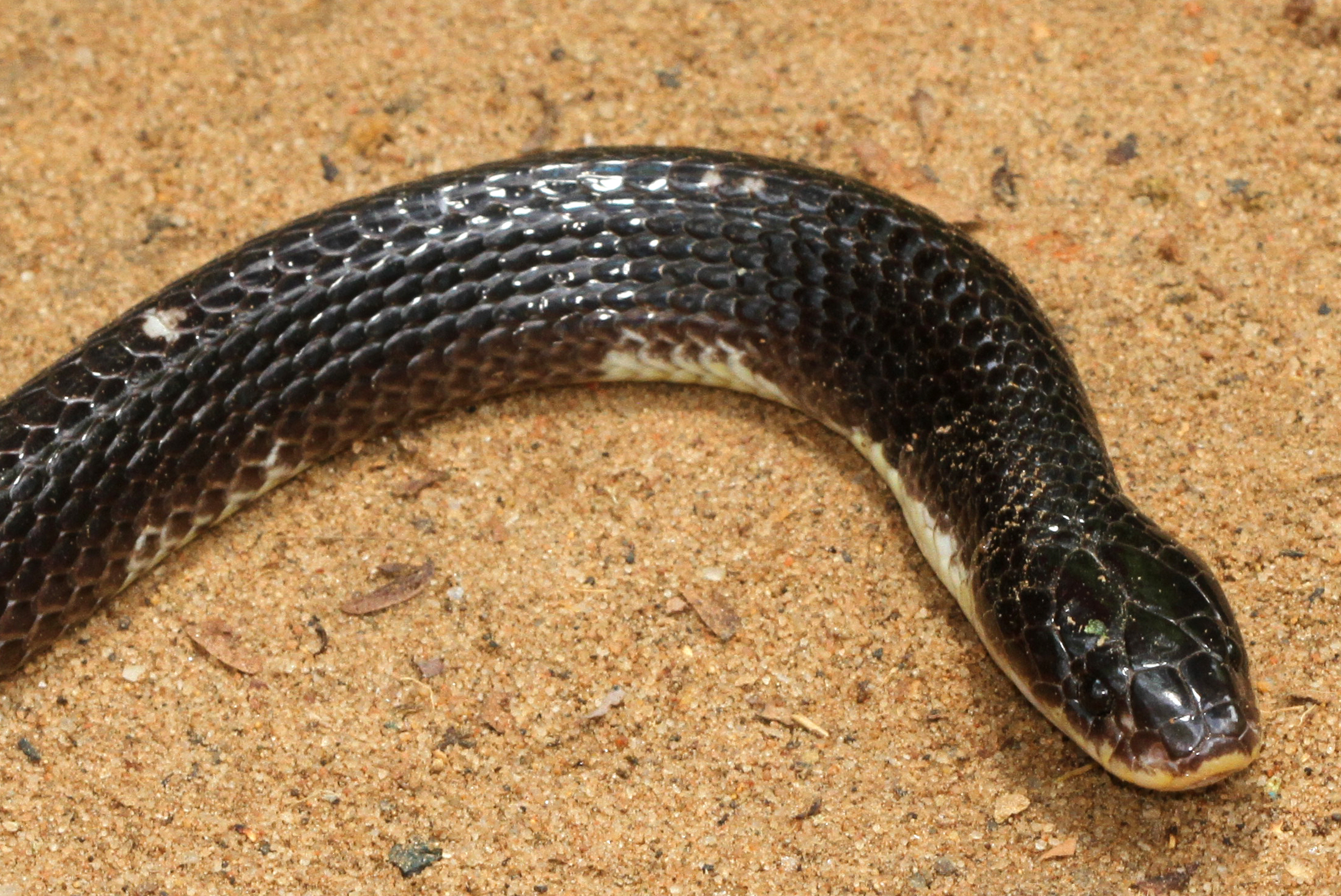
The snake that drew most attention in the years before the report was the Russell's viper, known in Bengali as chandrabora. BenarNews reported in May 2024 that the species had been considered endangered in Bangladesh in the early 2000s, was not seen from 2002 to 2012, and reappeared in 2013. A researcher quoted by the news agency said it had since spread to at least 25 districts, almost half the country. A physician at Rajshahi Medical College Hospital put the death rate from Russell's viper bites at 30 per cent, about double that of other snakebites, and the hospital recorded 202 Russell's viper patients from January 2018 to December 2023, of whom 62 died despite receiving antivenom.
The Padma basin is the snake's main area. A bdnews24 report republished by The Financial Express in June 2024 said the viper had been found in 17 districts a decade earlier and in 26 to 27 districts by then, and named Madaripur among them, with Faridpur, Shariatpur and Rajbari on the same river. Rajshahi remained the main hotspot. As early as August 2017 The Daily Star reported vipers in the chars of Char Bhadrasan upazila in Faridpur, also on the Padma, where a zoology professor of Jahangirnagar University identified the snake and said floodwaters had probably carried it from the Barind Tract of the north-west to the char, where it had bred.
The September 2025 Journal of Toxicology study explained part of the rise. The viper thrives in intensive farming areas rich in rodents, especially paddy fields and villages, and as irrigation allowed farmers to move from two crops a year to three, year-round crops raised rat numbers and gave the snakes food and breeding grounds. The researchers tested Bangladeshi Russell's viper venom against a polyvalent antivenom made in India and found that the antivenom was only partly effective, and they called for antivenom designed for the region's venoms.
Experts also warned against panic. A wildlife conservation officer of the Forest Department told the Dhaka Tribune in June 2024 that the Russell's viper does not attack people unless threatened, and mainly eats mice and lizards; the paper noted that the common krait, not the viper, causes the most snakebite deaths in the country. She advised people to make noise or use a torch before entering a paddy field. Killing the snake is prohibited: the Russell's viper is protected under the Wildlife (Conservation and Security) Act 2012, and the report noted that harmless pythons and wolf snakes were also being killed after being mistaken for it.
Antivenom, the treatment that works
The WHO stresses that, unlike many serious health problems, snakebite envenoming has a highly effective treatment. Good-quality antivenoms are the most effective way to prevent or reverse most of the effects of a venomous bite; they are on the WHO List of Essential Medicines and should be part of any primary health care package where snakebites occur. Most deaths and serious consequences of snakebite are entirely preventable, the WHO says, by making safe and effective antivenom more widely available.
Bangladesh uses a polyvalent antivenom imported from India that covers several of the main venomous species, including kraits, cobras and the Russell's viper, The Business Standard reported in 2023. In June 2024 the Dhaka Tribune reported that the government provides antivenom free of charge at district sadar hospitals and upazila health complexes, and the health department told bdnews24 that composite antivenom was widely available in district and upazila hospitals.
Access had been uneven. The Dhaka Tribune reported in September 2023 that by early 2022, 41,470 doses had been sent to 80 medical college hospitals, civil surgeon offices, district sadar hospitals and upazila health complexes, that much of the stock was held in city hospitals and expired unused, and that not every upazila hospital had antivenom. A medicine professor at Dhaka Medical College told the paper that doctors sometimes hesitated to give it because some patients develop severe breathing problems that need intensive care, which upazila hospitals lack.
Training has been part of the response. The WHO country office reported in December 2018 that, working with the Ministry of Health and Family Welfare, it had helped update Bangladesh's guidelines for the management of snakebite, that 5,000 doses of antivenom had been distributed across the country that year, and that 352 doctors from all the divisional medical college hospitals had been trained in snakebite management in October and November 2018. Globally, the WHO listed snakebite envenoming as a highest-priority neglected tropical disease in June 2017, and its road map aims to halve deaths and disability from snakebite by 2030.
First aid on the way to hospital
The doctors in Madaripur gave the most important advice: take the person to hospital at once. Health authorities agree that the time before treatment matters most. The UK's National Health Service (NHS), in guidance last reviewed in February 2023, says anyone who may have been bitten by a snake needs emergency medical care straight away, and lists what to do while help is on the way:
- stay calm, and keep the bitten part of the body as still as possible
- take off rings, bangles or other jewellery and loosen clothing near the bite, in case the skin swells
- try to remember the colour and pattern of the snake to tell the doctor
- do not go near the snake, or try to catch or kill it
- do not try to suck or cut the venom out of the bite
- do not tie anything tightly around the bitten part of the body
- do not take aspirin or ibuprofen, which can make bleeding worse
The practices to avoid are the ones the 2010 Bangladesh survey found most often among victims: cuts at the bite and sucking the wound. A study of snakebite beliefs in a Sri Lankan farming village, published in BMC Research Notes in November 2025, called the belief that plants or herbs can neutralise venom scientifically unsupported and warned that such remedies can delay proper treatment. In hospital, the NHS says, the bite is cleaned and dressed and a patient bitten by a venomous snake is treated with antivenom through a drip. In Madaripur the nearest places for that treatment are the upazila health complexes and the 250-bed district hospital. Anyone bitten should go there at once and follow the doctor's advice.
Photo: Abhinav Chawla / Wikimedia Commons (CC BY-SA 3.0)
Sources: Jagonews24, World Health Organization, WHO Country Office for Bangladesh, Directorate General of Health Services (National Centre for Disease Control), PLoS Neglected Tropical Diseases (2010), Journal of Toxicology (2025), BMC Research Notes (2025), Banglapedia, National Health Service (NHS), The Business Standard, Dhaka Tribune, BenarNews, bdnews24 / The Financial Express, The Daily Star
Comments
(0)