
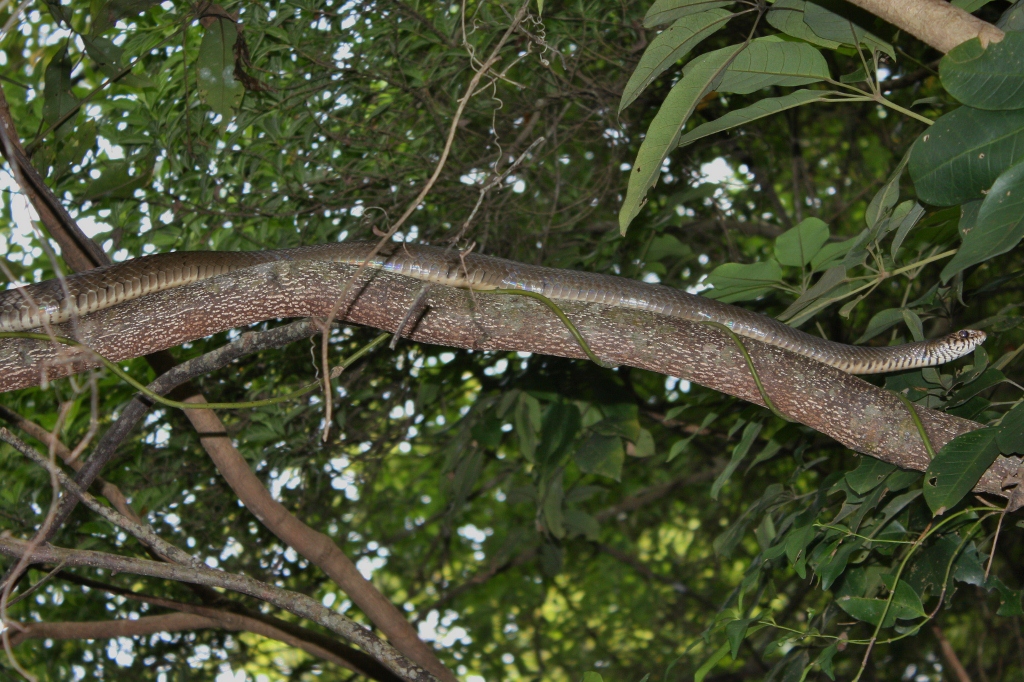
Monir Hossain, 28, lives in Madaripur town. According to a Jagonews24 report published on 6 April 2026, over the previous two years he had rescued 86 snakes from homes and settled areas and released them on the advice of the Madaripur forest department, and had treated five snakes that people had beaten and injured. At the time of the report two wounded rat snakes (darash) were under his care.
Trained, and working with the forest department
Monir comes from Dhanarchar Purbapara in Jadurchar union, Rowmari upazila, Kurigram. He moved to Madaripur in 2017 to study, completing an honours degree at Madaripur Government College and a master's in physics, and rents a home in the No. 2 Shakuni area of the town.
The report said he first trained on snakes in Panchagarh and later with the Barishal forest department. He also trained through a volunteer group, Wildlife and Snake Rescue Team in Bangladesh, and began rescues as one of its members. When he gets a call about a snake, he goes to the spot, rescues it and releases it as the forest department advises.
Md Jahangir Alam, a forest official in Madaripur, told Jagonews that when people call the department about a snake, officials call Monir, who rescues it, after which it is released in a suitable place. The department supplies the medicine for injured snakes. "Monir has been trained in this, so he does the work skilfully," he said.

86 snakes from 12 districts
The snakes he rescued over two years, from Madaripur, Shariatpur, Chandpur, Gopalganj, Khulna, Faridpur, Munshiganj, Bagerhat, Pirojpur, Barishal, Patuakhali and Kurigram, included the khoiya gokhra, bet achra, darash and kal nagini. The khoiya gokhra is the spectacled cobra (Naja naja), one of the most venomous snakes of the subcontinent; the kal nagini can glide a long way when it leaps.
Once he learned that a python was ill in the keeping of a snake charmer in Rowmari, Kurigram, and he nursed it back to health and released it. In the week before the report he rescued a large rat snake from Jajira in Panchkhola union, Madaripur Sadar, another from the southern bank of Shakuni Lake, and a kal nagini from Jajira in Shariatpur district. The kal nagini was released. The two rat snakes, wounded by local people, were kept in separate plastic boxes while he cleaned their wounds and applied ointment; once healed they were to be released away from settlements on the forest department's advice.
A harmless rat-eater, killed out of fear
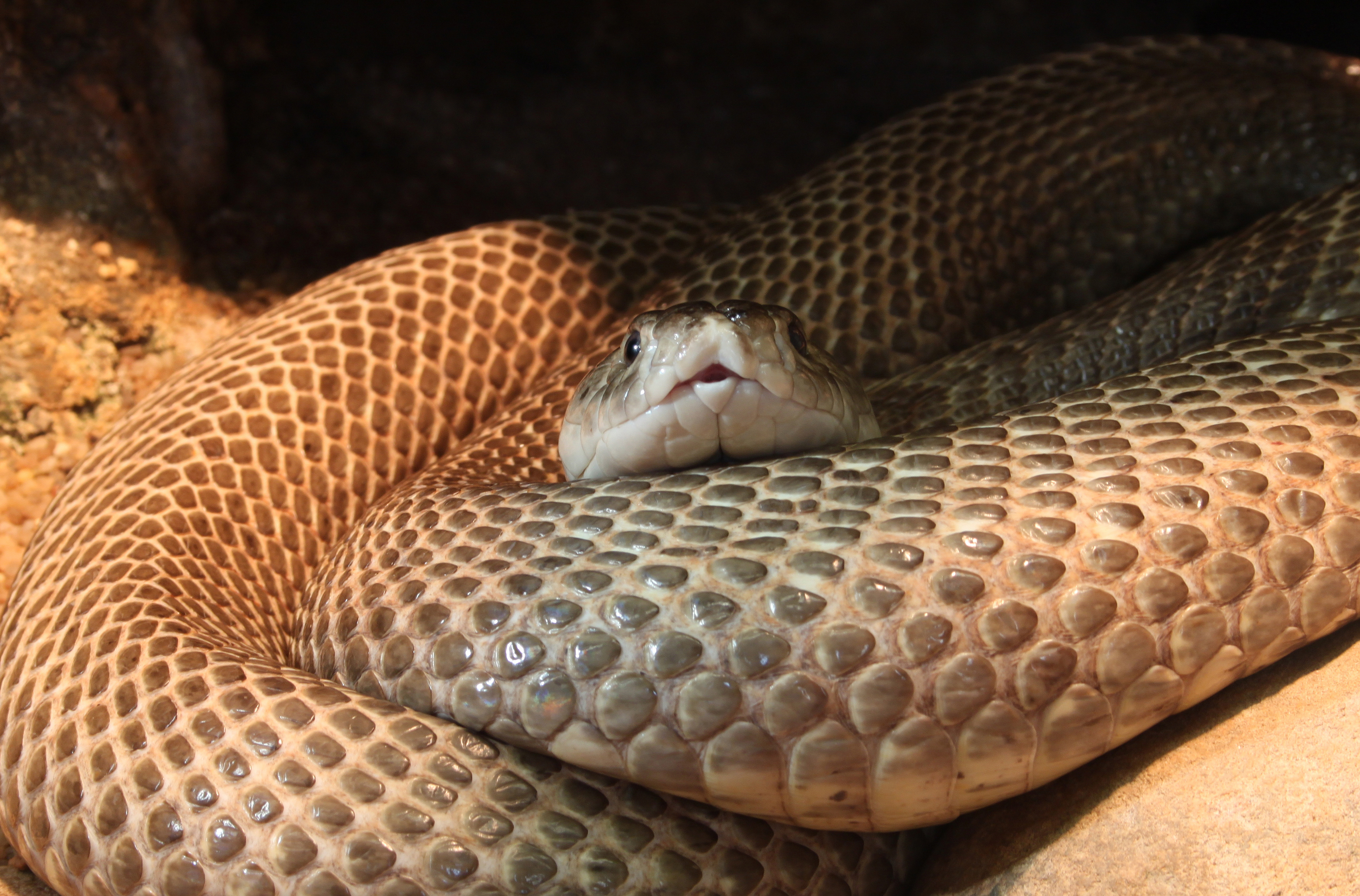
Banglapedia describes the rat snake (Ptyas mucosa) as a common non-venomous snake of Bangladesh that is often mistaken for a cobra and killed, though its head is much narrower and it has no hood. It usually grows to less than two metres and prefers rats, mice, frogs and toads.
Monir told Jagonews that most snakes in Bangladesh are not venomous and that many superstitions surround them. By his own reckoning, one rat snake saves a farmer Tk 1 lakh worth of crops from rats in a year. "Let everyone know and understand that nature benefits not from killing snakes but from saving them," he said. Tahmina Begum, a Shakuni resident, said she had grown up hearing from her grandparents that a hurt rat snake would cross seven seas to bite.
Why venomous bites remain a danger
The World Health Organization's fact sheet of 12 September 2023 estimates that 5.4 million people worldwide are bitten by snakes each year and that 81,410 to 137,880 die, with agricultural workers and children the most affected. WHO says high-quality antivenom is the most effective treatment for most venomous bites, and that most deaths are entirely preventable if safe, effective antivenom is widely available.
A household survey of rural Bangladesh published in PLOS Neglected Tropical Diseases in 2010 estimated that about 589,919 people were bitten each year and about 6,041 died. It found that 86 per cent of victims went first to a snake charmer, and only 3 per cent sought medical care immediately.
Photo: Thomas Brown / Wikimedia Commons (CC BY 2.0)
Sources: Jagonews24, Banglapedia, World Health Organization (WHO), PLOS Neglected Tropical Diseases, Wikipedia



Comments
(0)