
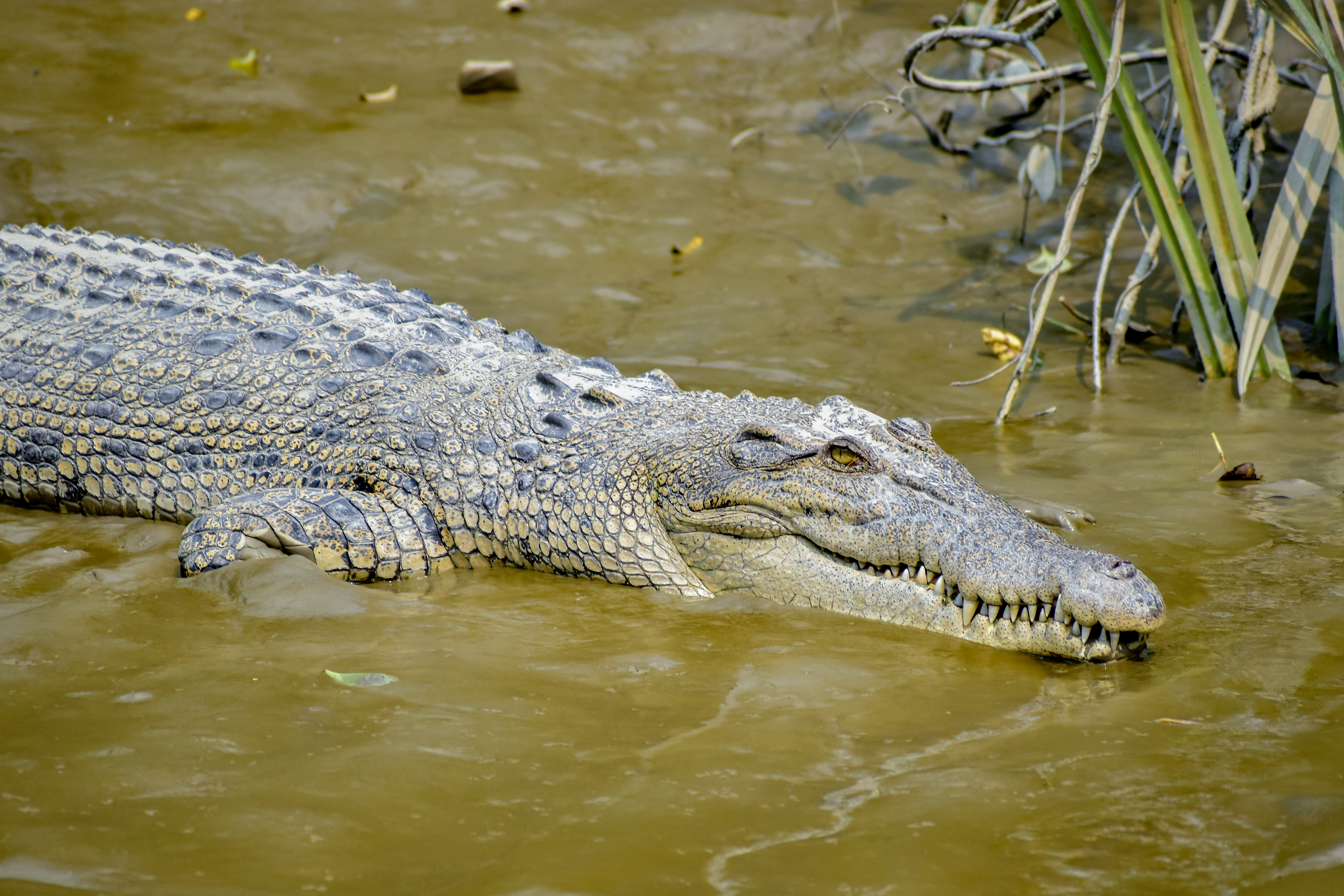
Villagers in Kalkini upazila of Madaripur district caught a crocodile in a trap, tied it with rope and beat it to death. The killing took place at around 1pm on Saturday, 29 March 2025, in Natun Andarchar village of Sahebrampur union. According to Prothom Alo, the crocodile was about eight feet long and two feet wide. Madaripur's acting forest officer, Jahangir Alam, confirmed the incident.
A crocodile seen in local rivers for days
Citing the Forest Department, the upazila administration and local sources, Prothom Alo reported that people had been seeing a crocodile in the Palardi river and the Arial Khan river for some days before. The upazila administration made loudspeaker announcements to warn residents, who had stayed on alert since.
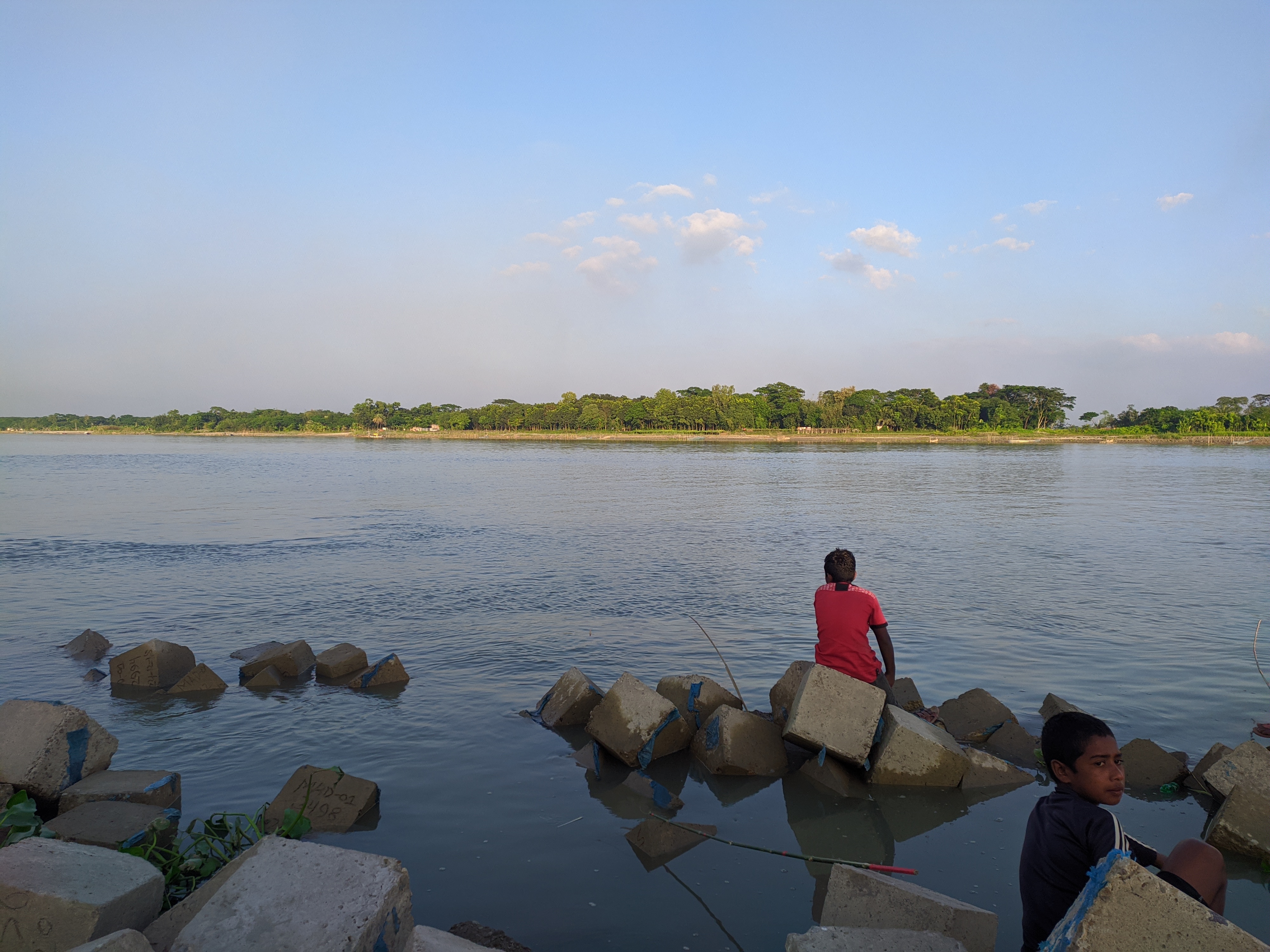
On the morning of 29 March, villagers spotted the crocodile in a canal linked to the Palardi river at Natun Andarchar. With help from local fishermen, they set a trap in the canal and caught it in a net. The animal was tied with rope and brought onto flat ground, where a crowd gathered and at one point beat it to death. bdnews24.com, quoting local people, reported that the crocodile had charged at people bathing in the Arial Khan, after which a crowd gathered and beat it with sticks and other local weapons.
What the Forest Department and administration said
Acting forest officer Jahangir Alam told Prothom Alo that local people caught the crocodile after seeing it in the canal and then beat it to death. He said a Forest Department team had been sent to the spot, and that the dead crocodile would be recovered, a post-mortem carried out and legal action taken.
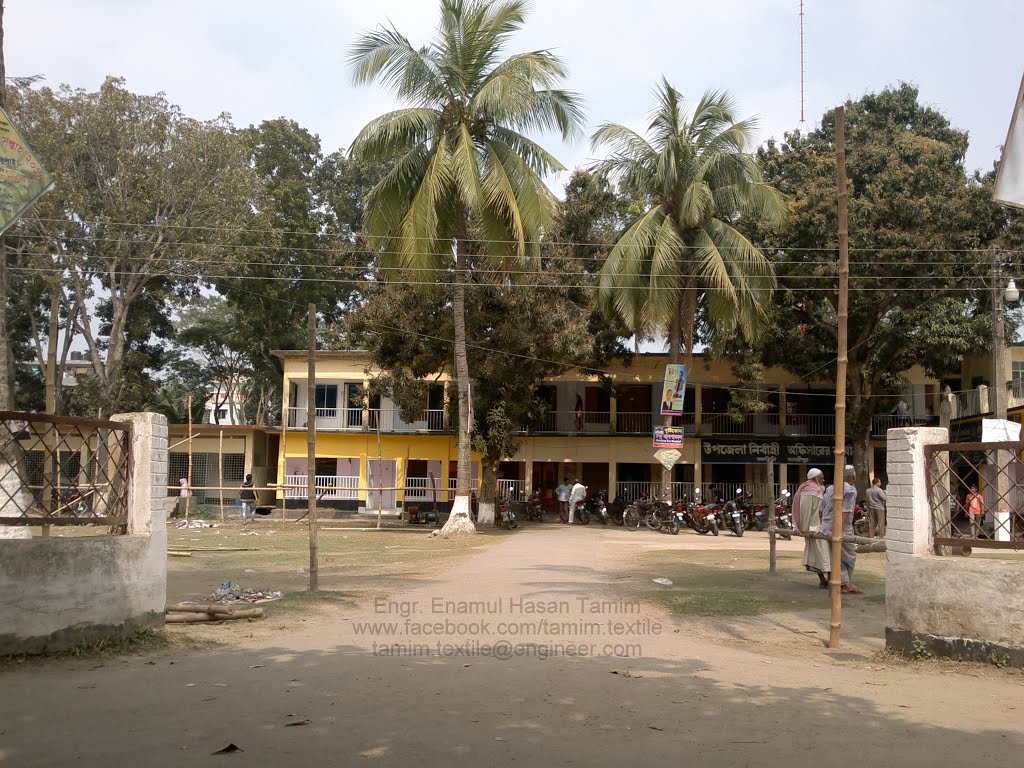
Kalkini Upazila Nirbahi Officer Uttam Kumar Das said the Forest Department was informed when the crocodile was caught, and the upazila administration also went to the spot. He said the curious crowd had beaten the crocodile to death, but that killing wildlife is a punishable offence under the law, and that the Forest Department would take legal action after recovering the carcass and carrying out a post-mortem. The reports that day did not mention any case filed or anyone detained.
Section 37 of the Wildlife (Conservation and Security) Act, 2012 makes it an offence to kill a crocodile listed in Schedule 1, punishable by up to three years in prison, a fine of up to Tk 3 lakh, or both, and by up to five years in prison, a fine of up to Tk 5 lakh, or both, for a repeat offence. A proviso in the same section says the provision does not apply where a crocodile attacks a person, putting their life at risk, and the attacking animal is killed to save that life; if the question of filing a case arises, the station officer concerned may file it in consultation with the warden.
Where the crocodile may have come from
Masudur Rahman, a member of the Madaripur Wildlife Conservation Council, told Prothom Alo that crocodiles are now nearly extinct in the country and are not seen in Madaripur's rivers. He said it was thought the animal may have travelled from the Sundarbans through various rivers. His group had tried to rescue it alive after it was caught, he said, but the crowd killed it. In his view the incident pointed to a lack of awareness about protecting wildlife, and the local administration and the authorities concerned should take effective steps to stop it happening again. bdnews24.com reported that he demanded those involved be tried under the wildlife law.
The Sundarbans is one of the homes of the saltwater crocodile (Crocodylus porosus). The Daily Star reported in 2019 that a Forest Department centre at Karamjal in the Sundarbans had been breeding saltwater crocodiles since 2002. The reports on the Madaripur crocodile did not identify its species.
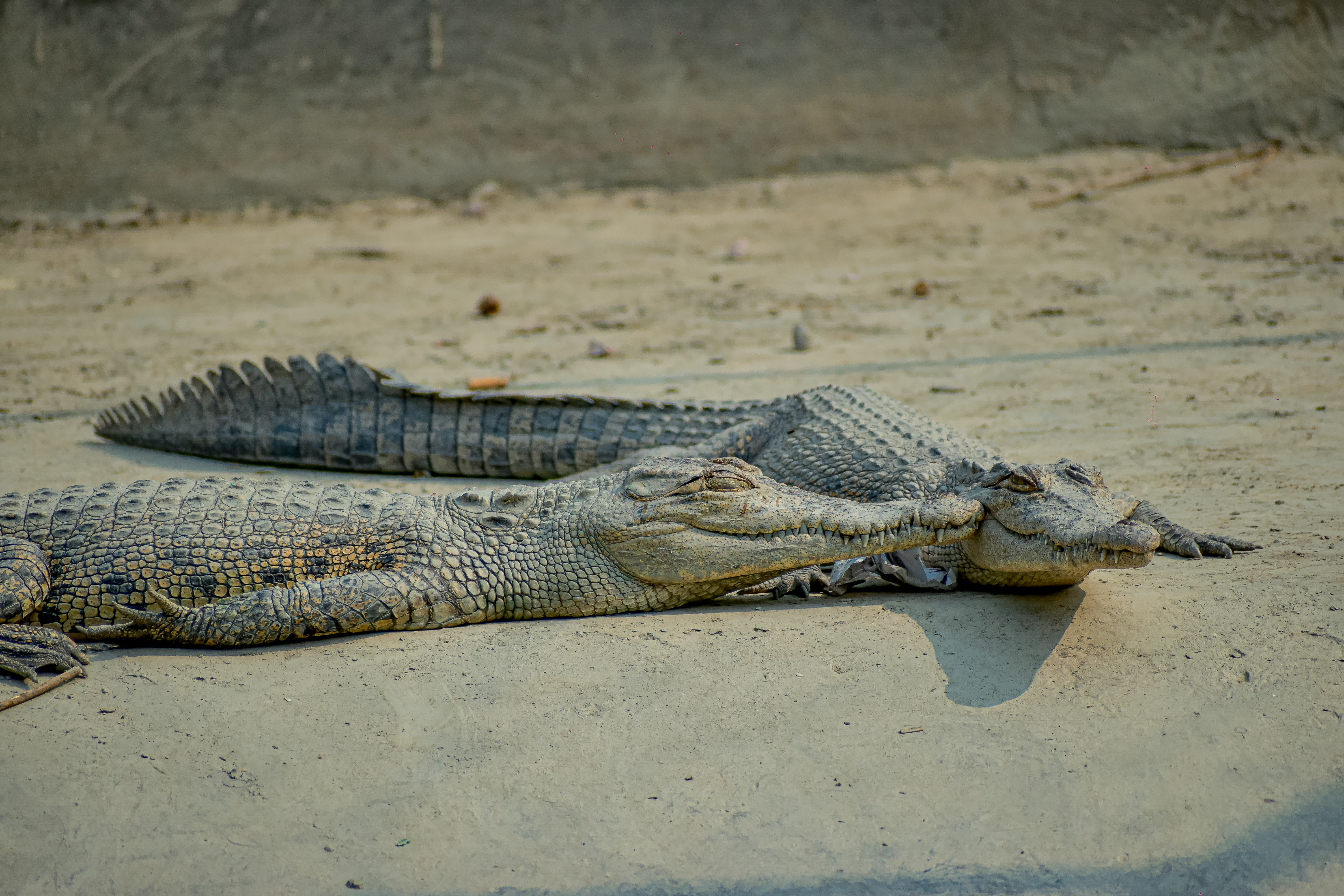
Photo: Fabian Roudra Baroi / Wikimedia Commons (CC BY-SA 4.0)
Sources: Jagonews24, Prothom Alo, bdnews24.com, Wildlife (Conservation and Security) Act, 2012 (Laws of Bangladesh, Legislative and Parliamentary Affairs Division), The Daily Star, Wikipedia


Comments
(0)