
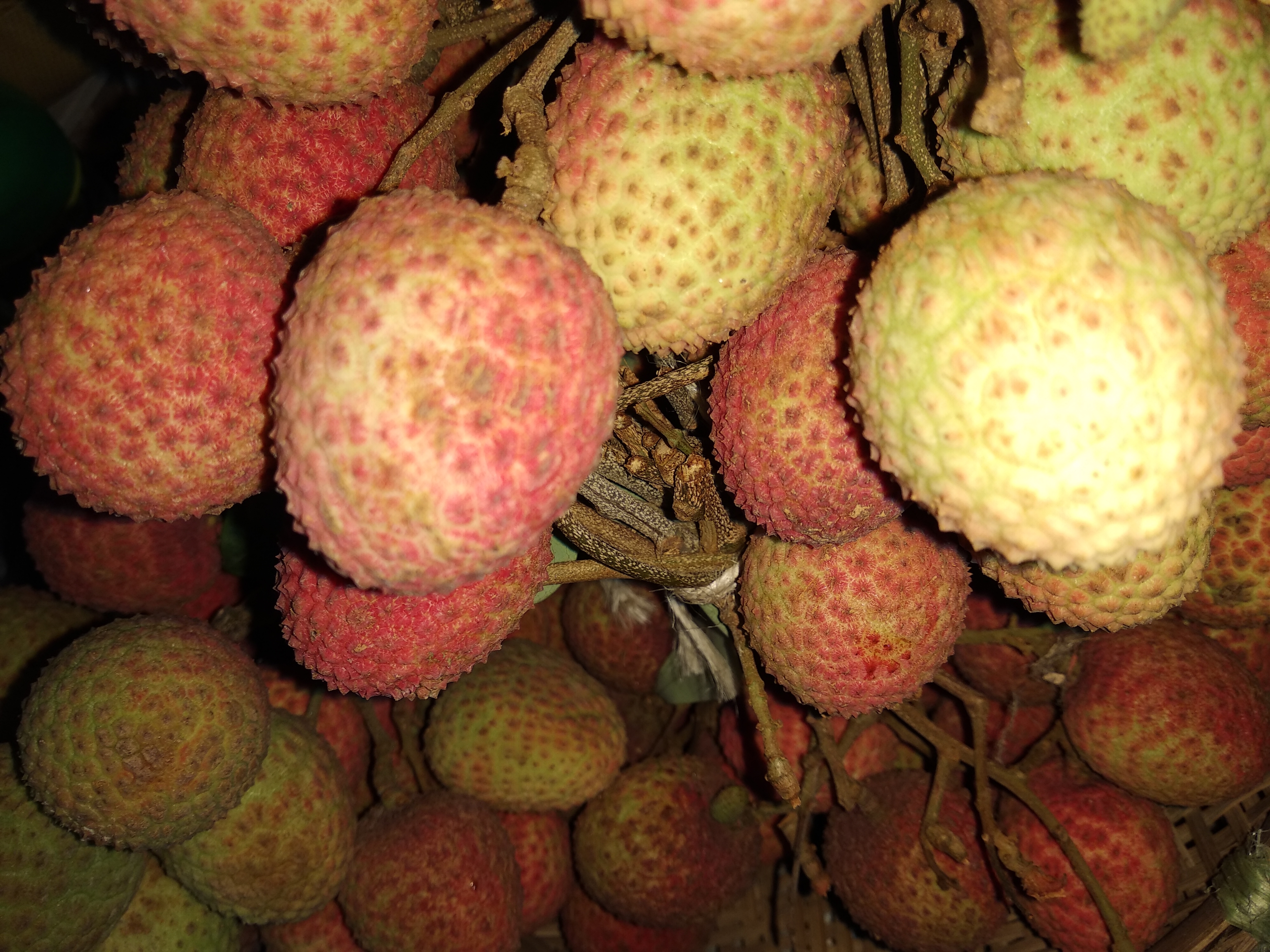
As the litchi season reached Bangladesh's markets in May 2026, Jagonews24 published a lifestyle article on 16 May urging readers to enjoy the fruit with care, above all where children are concerned. The piece, which drew on The Times of India, said litchis were a healthy fruit in the right amount and were not poisonous, and that the risk was greater for malnourished children, for children who had gone a long time without food and for anyone eating a large number at once. This report checks those points against the published research and the guidance of health authorities, and sets out what was known by May 2026 about the outbreaks of childhood illness in litchi-growing districts of India and Bangladesh.
The studies give a mixed picture, but several points are clear. Investigators from India's National Centre for Disease Control (NCDC) and the US Centers for Disease Control and Prevention (CDC) linked a deadly illness among young children in Muzaffarpur, in the Indian state of Bihar, to two natural toxins found in litchis, and found the risk was highest among children who had eaten litchis and missed an evening meal. A separate study of an outbreak in Dinajpur, Bangladesh, in 2012 found no link with eating litchis and pointed instead to exposure in orchards where pesticides were sprayed heavily. Both studies concerned young children living in orchard areas during the harvest.
What a litchi contains
Litchis are mostly water and sugar. According to US Department of Agriculture nutrient data, 100 grams of raw litchi flesh contains about 82 grams of water and supplies 66 kilocalories, with about 15 grams of sugars, 1.3 grams of dietary fibre and 171 milligrams of potassium. Its standout nutrient is vitamin C, at about 72 milligrams per 100 grams, an amount equal to 79 per cent of the Daily Value used on US food labels. Other vitamins and minerals are present only in small amounts.
Analyses made in China, India and the Philippines, compiled by the horticulturist Julia Morton in Fruits of Warm Climates (1987, published online by Purdue University), give similar ranges for fresh flesh: 63 to 64 calories, roughly 82 to 85 per cent moisture and about 13 to 16 grams of carbohydrate per 100 grams. Banglapedia, the national encyclopedia of Bangladesh, notes that the edible part makes up 50 to 75 per cent of the fruit's weight and contains mainly sugars, with some protein, B and C vitamins, calcium and iron.
The original article said litchis help immunity, the skin and hydration. The US National Library of Medicine's MedlinePlus describes what vitamin C does in the body: it is needed to form collagen, a protein used to make skin, tendons, ligaments and blood vessels; to heal wounds; to repair and maintain cartilage, bones and teeth; and to help the body absorb iron. It is also one of many antioxidants. The body can neither make nor store vitamin C, so it must come from food regularly, and raw fruits and vegetables are the best sources. MedlinePlus adds that, for most people, vitamin C-rich foods or supplements do not reduce the risk of catching a cold, so broader claims about litchis 'boosting immunity' are left out of this report.
The original also suggested that the fruit's natural sugar could make blood sugar fall quickly if many litchis were eaten on an empty stomach. The research does not describe the risk that way. The low blood sugar seen in the Muzaffarpur children was linked not to the fruit's ordinary sugars but to two naturally occurring compounds in litchis, hypoglycin A and methylenecyclopropylglycine (MCPG), in children who were undernourished or had missed a meal. Those findings are set out below.
A fruit from southern China, grown across Bangladesh
The litchi (Litchi chinensis) belongs to the soapberry family, Sapindaceae, and is the only species in its genus. Morton wrote that it is native to low elevations of Guangdong (Kwangtung) and Fujian (Fukien) provinces in southern China, where it appears in Chinese literature from 1059. It was carried to Burma late in the 17th century and to India about a hundred years later. A paper by S. K. Mitra in a 2002 publication of the Food and Agriculture Organization of the United Nations (FAO) on litchi production in the Asia-Pacific region places the main centre of origin between latitudes 23 and 27 degrees north, in southern China, northern Viet Nam and Malaysia.
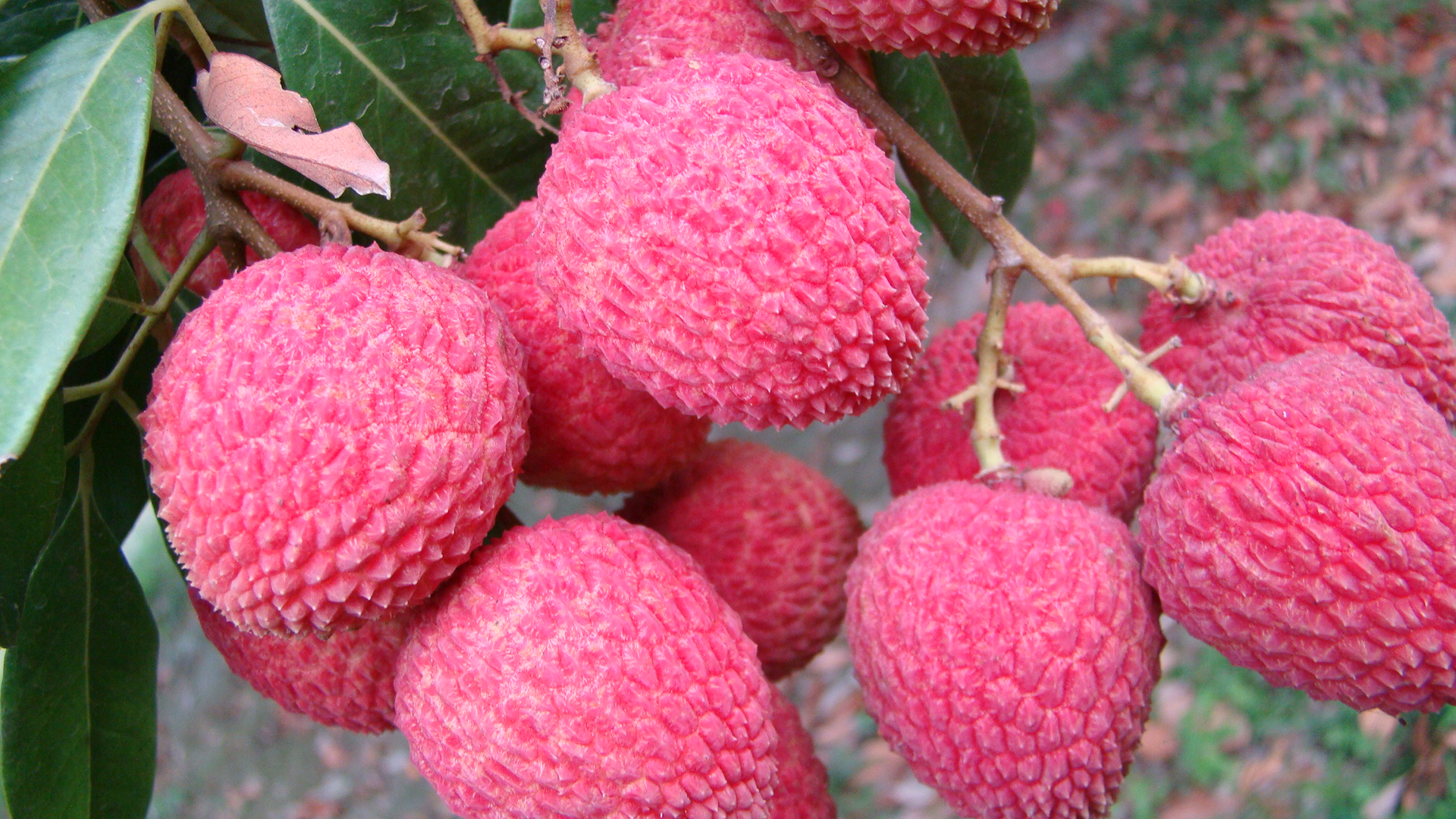
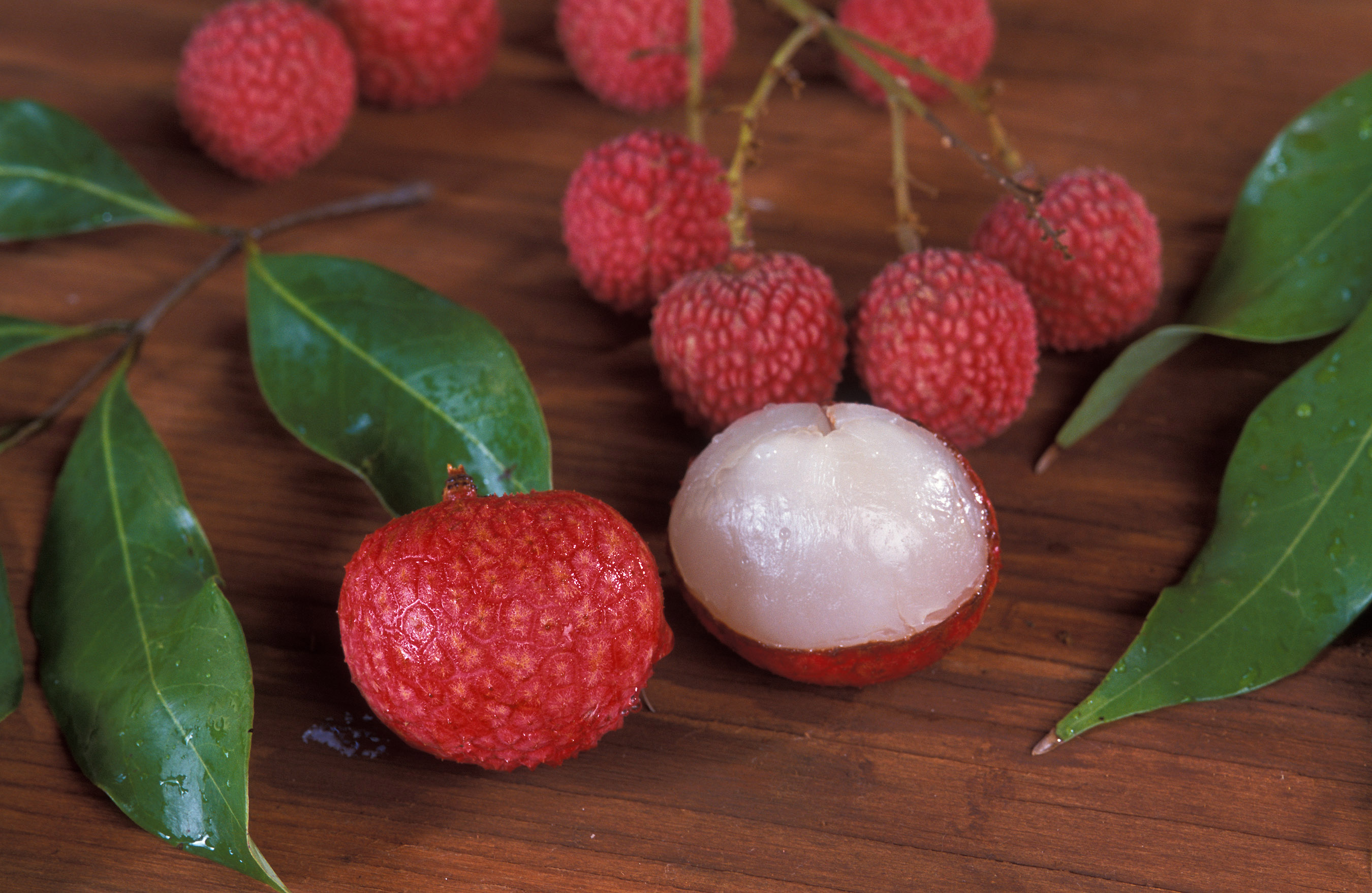
The tree is evergreen, with glossy compound leaves, and bears its fruit in loose hanging clusters. Under a thin, rough red skin lies the edible part, a translucent white aril wrapped around a single hard, shiny brown seed. Morton noted that the seed is inedible, and that fruits whose seeds have shrunk through faulty pollination, called 'chicken tongue', are prized for their larger share of flesh. Citing the American horticulturist G. Weidman Groff, she wrote that the litchi thrives where summers are hot and wet and winters dry and cool, and that heavy frost kills young trees.
Banglapedia says litchi can be grown in every district of Bangladesh but is grown mainly in Rajshahi, Rangpur, Dinajpur, Jessore, Kushtia, Mymensingh and Narayanganj, and that among the country's tree fruits it ranks second in production after mango. It describes the local selections under two main types, deshi and bombai. Mitra's FAO paper recorded that in 1998 Bangladesh grew litchi mainly in Dinajpur, Rangpur and Rajshahi, on about 4,750 hectares, producing 12,755 tonnes, and that growers in Bangladesh, as in India and Viet Nam, watered orchards by surface or basin irrigation. The same paper noted that the cool chain for storing and moving the fruit was still at an early stage in Bangladesh and several other Asian producers.
The season is short. Orchard caretakers interviewed in Dinajpur in 2012 described about a month from flowering to fruit harvest, running from May into June depending on the variety. They said wholesalers from around the country leased orchards for several years at a time and hired local people to look after the trees, and that children were sometimes hired to pick fruit from small trees because they could climb the thin branches easily and cost less.
Muzaffarpur: an illness that returned every summer
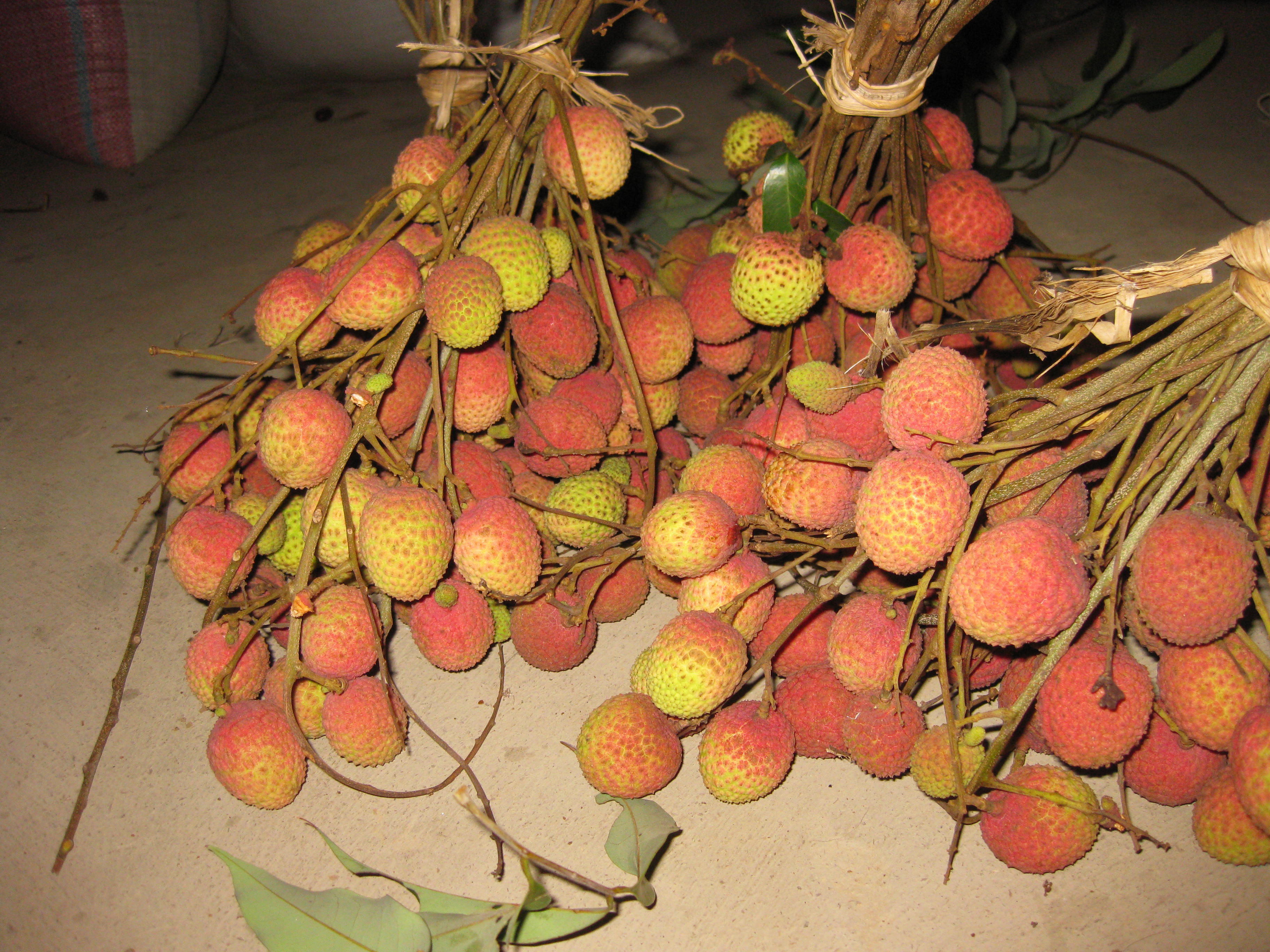
Muzaffarpur district in Bihar is India's largest litchi-growing region. According to a report in the CDC's Morbidity and Mortality Weekly Report (MMWR) of 30 January 2015, outbreaks of an unexplained acute neurological illness affecting young children, with high death rates, had been reported there since 1995. The outbreaks generally peaked in June and declined weeks later with the arrival of the monsoon rains. Over the years, investigators proposed causes ranging from infectious encephalitis to pesticide exposure, and a link with the litchi was suggested because the cases occurred in a litchi-producing region during the harvest.
The NCDC and the CDC investigated the outbreaks of 2013 and 2014. From 17 May to 22 July 2013, 133 children were admitted to the two main referral hospitals in Muzaffarpur with sudden seizures or altered mental state. Of these, 71 per cent were aged one to five, 94 per cent had generalised seizures, most had no fever on admission, and 44 per cent died. Tests for Japanese encephalitis virus and other viruses known to cause encephalitis in the region were negative. Low blood glucose on admission was more common among the children who died, and ill children had spent more time in agricultural fields or orchards than the comparison children.
In 2014 the team evaluated 390 patients admitted to the same two hospitals between 26 May and 17 July. Their median age was four years, and 72 per cent were aged one to five. Caregivers said the children had been healthy before suddenly developing convulsions, often between 4 a.m. and 8 a.m. The outbreak peaked between 8 and 14 June, with 147 cases, and cases fell sharply after the monsoon began on 21 June. Among 327 patients whose blood glucose was measured on arrival, the median level was 48 milligrams per decilitre, and 62 per cent had 70 or less. The death rate fell from 44 per cent in 2013 to 31 per cent in 2014; the MMWR report said the 2013 recommendation to check for and correct low blood sugar quickly might in part have helped.
The illness kept returning. On 13 June 2019 the news agency AFP, in a report carried by The Guardian, said at least 31 children had died in the previous ten days at two hospitals in Muzaffarpur, that most had suffered a sudden loss of glucose in their blood, and that the illness is known locally as chamki bukhar. A state health official said the health department had issued an advisory for people to take care of their children during the hot summer.
The 2014 study and the toxins in the fruit
The full results of the 2014 investigation were published in The Lancet Global Health, online on 31 January 2017. The researchers compared 104 sick children with 104 children of the same age admitted to the same hospitals for other illnesses. Eating litchis in the 24 hours before the illness began was strongly associated with falling ill, as was missing an evening meal, and the two together mattered most: the association with litchis was stronger among children who had not eaten an evening meal (odds ratio 7.8) than among those who had (3.6). Tests for infectious agents and for pesticides were negative.
Laboratory tests pointed to the fruit's own chemistry. Breakdown products of hypoglycin A, MCPG or both were found in 48 of 73 urine samples from sick children and in none of 15 samples from comparison children, and 72 of 80 samples from sick children showed abnormal acylcarnitine profiles, a sign of severe disruption of the way the body burns fat for energy. In 36 litchi arils tested from Muzaffarpur, hypoglycin A ranged from 12.4 to 152.0 micrograms per gram and MCPG from 44.9 to 220.0 micrograms per gram.
Neither compound was new to science. In 1962 the British biochemists D. O. Gray and L. Fowden described MCPG from litchi seeds in the Biochemical Journal, and the 2015 MMWR report noted that it was known to cause low blood sugar in animal studies. The report explained that MCPG was thought to act like hypoglycin A, a toxin that has caused acute brain illness in the West Indies and West Africa after people ate unripe ackee, a fruit of the same botanical family as the litchi.
To prevent illness and reduce deaths in the region, the Lancet authors said they had recommended minimising litchi consumption, making sure children received an evening meal, and correcting blood glucose rapidly in any child suspected of having the illness. After the 2013 outbreak, the investigators had already advised supplying glucometers to hospitals and outlying health facilities. The journal published the study alongside a commentary by Peter Spencer and Valerie Palmer titled 'The enigma of litchi toxicity: an emerging health concern in southern Asia'.
Dinajpur 2012: the Bangladesh study pointed to orchard pesticides
Bangladesh has had its own outbreaks. On 16 June 2012 a physician at Dinajpur Medical College Hospital notified the Institute of Epidemiology, Disease Control and Research (IEDCR) of an outbreak of encephalitis among children in northern Bangladesh. A team from IEDCR and icddr,b, the Dhaka-based International Centre for Diarrhoeal Disease Research, Bangladesh, investigated between 17 June and 20 September 2012. Fourteen children were affected and 13 died. Thirteen came from 13 villages in four upazilas of Dinajpur district and one from a neighbouring upazila of Thakurgaon district. Their median age was 4.6 years.
The illness struck fast. Thirteen of the 14 children became unconscious, 11 had convulsions, eight sweated heavily and seven had frothy discharge from the mouth. For the six children with information available, the median time from the first sign of illness to unconsciousness was two and a half hours, and among those who died the median time from onset to death was 20 hours. Before reaching the medical college hospital, 64 per cent of the families had sought help from spiritual healers, 57 per cent from village doctors or paramedics and 29 per cent from upazila hospitals.
The team compared the 14 children with 56 neighbourhood children and 56 children from nearby villages. Compared with children from nearby villages, the sick children were more likely to have visited a litchi orchard in the 24 hours before falling ill (91 per cent against 54 per cent), to have a family member working in a litchi orchard (43 per cent against 9 per cent) and to have visited a garden while pesticides were being sprayed (38 per cent against 14 per cent). Compared with neighbours, they were more likely to have visited a garden where pesticides had been used in the previous three days (29 per cent against 5 per cent). Eating litchis in the 24 hours before illness was not associated with falling ill: 57 per cent of the sick children had eaten them, against 71 per cent of village controls and 61 per cent of neighbourhood controls.
Interviews showed heavy use of farm chemicals. Caretakers said they sprayed insecticides including cypermethrin, endosulfan, alpha-cypermethrin and lambda-cyhalothrin, together with fungicides and plant growth regulators, two to three times a week as the fruit matured. Wholesalers bought pesticides from local dealers and from unregistered sellers near the Indian border and sometimes removed the labels before handing them to caretakers. Caretakers also reported using the fungicide carbendazim to improve the fruit's colour and, during a five-day nationwide transport strike in the second week of June 2012, almost every day to delay ripening. Empty containers collected from orchards listed pyrethroids, endosulfan, dithiocarbamates, benzimidazole and triazole among their ingredients.
Families said children often gathered cracked litchis that had fallen to the orchard floor, did not wash them, and peeled them with their teeth. The authors, led by Mohammed Saiful Islam of icddr,b, concluded in The American Journal of Tropical Medicine and Hygiene (published online on 27 July 2017) that the outbreak was linked to exposures in litchi orchards where farm chemicals were routinely used, but not to eating litchis. They noted that the outbreak ended with the monsoon rains, as in India, and said this suggested a toxin on the fruit's surface rather than inside it. Because no blood or urine samples were taken from the children while they were ill, the cause could not be confirmed, and the team could not test the MCPG explanation directly. They recorded that icddr,b and IEDCR had investigated nine outbreaks of acute encephalitis syndrome among children in Bangladesh between 2008 and 2016, seven of them during the litchi harvest, and that a further outbreak had occurred in 2015 in the same Dinajpur litchi area.
Reporting on the study on 25 July 2017, Voice of America noted that endosulfan had been added in 2011 to the Stockholm Convention on Persistent Organic Pollutants. Islam told VOA that endosulfan was permitted on some crops in Bangladesh but not on litchis, and said: "There is very poor monitoring of the use of pesticides."
The same pattern in Viet Nam
Similar outbreaks have been recorded outside South Asia. A study by Institut Pasteur researchers and Vietnamese colleagues, published in Emerging Infectious Diseases in November 2012, reported that since the end of the 1990s outbreaks of acute encephalitis in children had coincided with the litchi harvest, from May to July, in Bac Giang province in northern Viet Nam. Analysing data for 2004 to 2009, the authors found that the share of land under litchi plantations was independently associated with the incidence of the illness. They wrote that the patients' characteristics suggested a viral cause and called for further studies to identify the agent; the 2015 MMWR report later noted that the Vietnamese investigation had found no infectious agent to explain the outbreaks.
The Bangladesh paper set these outbreaks in a wider context. It said acute encephalitis syndrome affects about 133,000 children a year in Asia, that unusual outbreaks among children had been reported from India, Bangladesh, Viet Nam and Thailand, and that in 2014 a team from India's National Vector Borne Disease Control Programme had found the insecticide alpha-cypermethrin above limits for humans in litchi samples from outbreak areas. By contrast, the Lancet study found no pesticides in samples from the Muzaffarpur children. The research to May 2026 therefore pointed to more than one possible cause in different places: natural toxins acting in hungry, undernourished children in Muzaffarpur, and heavy pesticide exposure in the Bangladesh orchards studied.
Low blood sugar: the signs and when to get help
MedlinePlus defines low blood sugar, or hypoglycaemia, as a level below 70 milligrams per decilitre (3.9 millimoles per litre). Its symptoms can include:
- hunger, shaking or trembling, and sweating
- a fast or pounding heartbeat, nervousness or irritability
- headache, tiredness or weakness
- blurred or double vision and unclear thinking
- seizures, in more severe cases
MedlinePlus says more severe symptoms, such as unclear thinking or seizures, may occur when blood sugar falls below 54 milligrams per decilitre, and that severe low blood sugar is a medical emergency that can cause seizures and brain damage. Britain's National Health Service (NHS) notes that low blood sugar is rare in people without diabetes but can be caused by conditions including malnutrition, and that a person with severe low blood sugar may have a fit or become unconscious. The NHS advises that someone who is unconscious should not be given food or drink, because they cannot swallow safely, but should be put into the recovery position while emergency help is called.
In Muzaffarpur, the public health advice centred on speed: families of affected children were urged to seek medical care at once, and hospitals were advised to test blood glucose on arrival and give intravenous dextrose to children with suspected illness. In the Dinajpur outbreak, many families went first to spiritual healers or village doctors, and the children were often in serious condition by the time they reached hospital. A child who suddenly has a fit or becomes drowsy or unconscious needs a hospital without delay. Anyone with diabetes, or with questions about how much fruit suits their own diet, should seek a doctor's advice rather than rely on general tips.
Washing, peeling and keeping children away from spraying
The World Health Organization (WHO), in its fact sheet on pesticide residues in food (September 2022), says pesticides are potentially toxic to humans and can have both short-term and long-term effects, and that the people most at risk are those who come into contact with them at work, at home or in the garden. It advises that people not directly involved in spraying should stay away from the area while spraying takes place and for some time afterwards. It also says consumers can further limit their intake of pesticide residues by peeling or washing fruit and vegetables, which also reduces other foodborne hazards such as harmful bacteria.
WHO explains that the Joint FAO/WHO Meeting on Pesticide Residues assesses the risks of residues in food and sets safe intake limits, which the Codex Alimentarius Commission uses to set maximum residue limits for food in international trade. It adds that farmers should limit pesticide use to the minimum needed to protect their crops.
The Bangladesh researchers explained why children in orchard villages face particular exposure. Children eat, drink and breathe more for their body weight than adults, they often put their fingers and other objects in their mouths while playing, and family members who work in orchards or spray pesticides may carry residues home on their tools, clothes, shoes and skin. In the Dinajpur villages, children ate unwashed fallen fruit and peeled it with their teeth. WHO's advice to wash or peel produce and to stay away from areas being sprayed, and the Lancet authors' recommendation that children receive an evening meal, apply directly to litchi districts at harvest time.
Photo: Sd Raihan / Wikimedia Commons (CC BY-SA 4.0)
Sources: Jagonews24 (citing The Times of India), The Lancet Global Health, CDC Morbidity and Mortality Weekly Report, The American Journal of Tropical Medicine and Hygiene, Emerging Infectious Diseases, Biochemical Journal, Voice of America, The Guardian (AFP), FAO, Banglapedia, Purdue University (Fruits of Warm Climates), US Department of Agriculture nutrient data (via Wikipedia), MedlinePlus (US National Library of Medicine), NHS, World Health Organization

Comments
(0)