
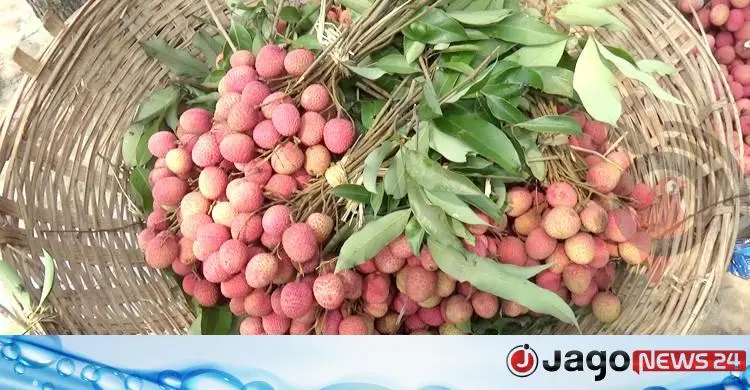
Delicious, juicy litchis appear in the markets as soon as summer arrives, and many people love the fruit for its taste and fragrance. But because demand for this seasonal fruit is high, some dishonest sellers sometimes bring old or chemically treated litchis to market. Paying attention to a few things before buying makes it easy to choose good-quality fruit.
What to check
First look at the colour of the skin. Litchis with a bright red or light pink tinge are usually ripe and sweet. Many dark or brown spots on the skin may be a sign that the fruit is old or spoiled.
Pressed lightly with a finger, a fresh litchi will feel fairly firm but slightly yielding. If it feels very hard, it may be unripe; if it is too soft, the flesh inside may have gone bad.
The small raised bumps on the skin of a good litchi are relatively flat and spread out, which indicates the fruit is mature. It is best to avoid litchis with small holes in the skin, as there may be insects inside.
If possible, choose litchis in bunches or on the branch; they stay fresh relatively longer. If the stem is very dry and brittle, the fruit was picked long ago.
Fresh, good-quality litchis give off a light, sweet fragrance near the stalk. A sour or alcohol-like smell may be a sign the fruit has spoiled.
Round or oval litchis that feel relatively heavy usually have juicier flesh. Flat or oddly shaped ones often have a big seed and little flesh.
Beware of artificial colour
Artificial colour or chemicals are sometimes used to make litchis look attractive. If colour comes off after holding the fruit for a while or wetting it slightly, it is better not to buy it. Naturally ripened litchis usually do not look overly shiny or unnaturally perfect.
After bringing litchis home from the market, you can soak them in cold water for a while. Once peeled, they are best eaten as soon as possible; litchis left peeled for a long time are not healthy to eat.
Source: Jagonews24. First published in Bengali on The Agro News.

Comments
(0)